
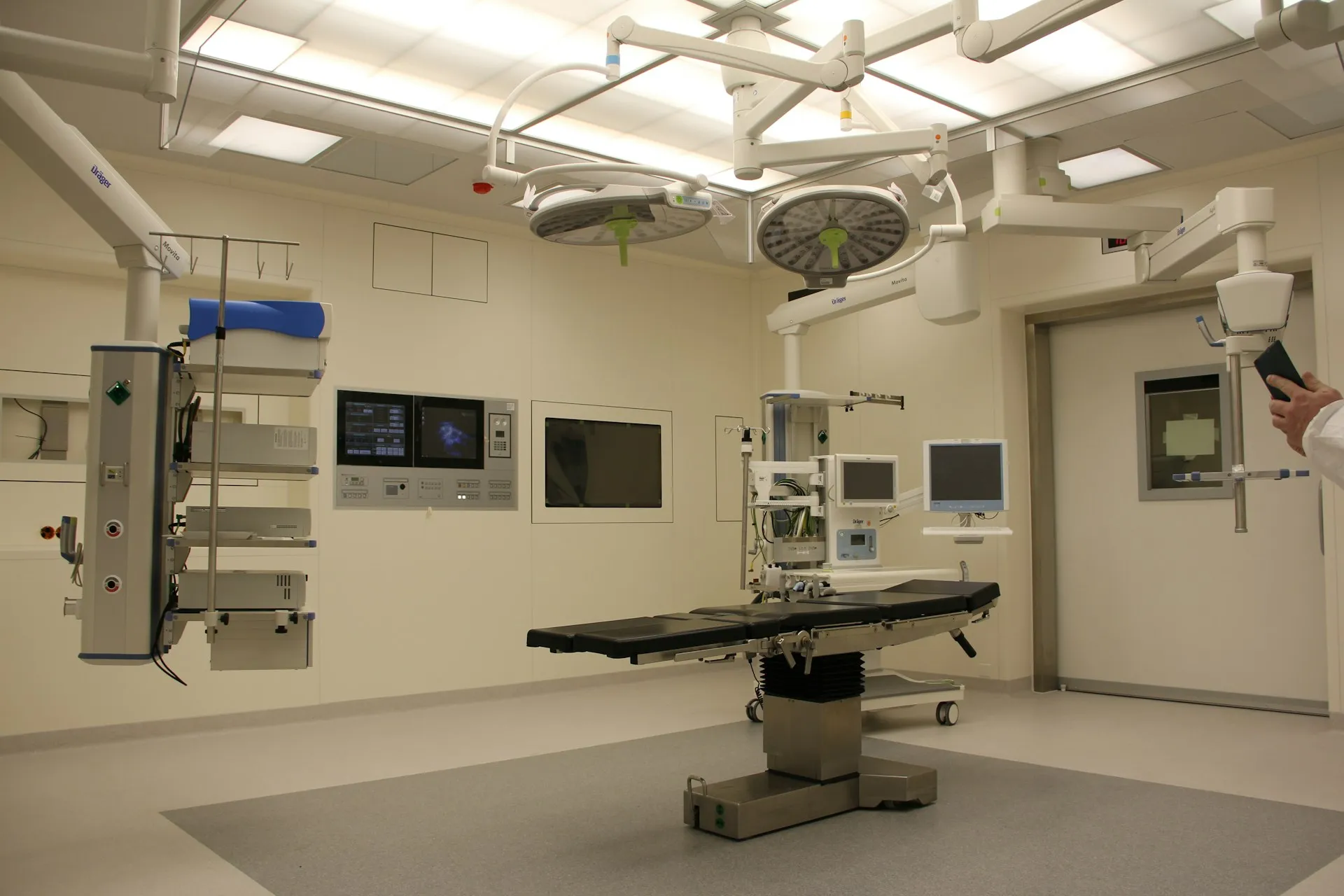
Da Vinci Robotic Surgery: Advancing the Future of Precision Surgery
The practice of medicine, especially surgery, is evolving quickly with the infusion of robotics and other technologies. Robotic-assisted surgery is probably the biggest leap forward in this area of medicine, mainly because it improved precision, dexterity, and visualization at the same time, which is pretty much a game changer when it comes to complex surgeries.
Technologies of this nature are implemented by the hospitals for the benefits of the patients such as better health results, shorter convalescence, and lesser chances of abnormalities following surgeries. Liv Hospital is one of the leaders that has taken up medical technology and uses state-of-the-art surgical facilities as part of their therapy method.
What is Da Vinci Robotic Surgery?
The da Vinci robotic system is a surgical tool that enables doctors to perform operations remotely via a console. Traditional surgeries require opening patients, however, by using this new technology, only small incisions are made in the patient’s body for insertion of the robot’s arms and instruments. This technique also offers a very 3D image of the surgical site on a screen, and the robot’s arms are able to replicate the movements of the surgeon’s hands with great accuracy.
The Da Vinci system is an operator-dependent robotic system, in fact, it can be considered the surgeon’s ‘enhanced hands’ in performing the intricate movements of the surgery with a high degree of accuracy.
How the Da Vinci System Works
Three components make up the Da Vinci surgical system:
- The surgeon console at which the doctor operates
- A patient-side robotic cart equipped with multiple robotic arms
- A high-definition 3D vision system that offers magnified images of the surgical area
The doctor sits in front of the console and grabs the controls with his or her hands and feet to move the robotic instruments. The controls of the robotic instruments are completely under the surgeon’s hands and feet. It is like the surgeon is there operating directly, but the actual motion is reproduced by the robotic arms inside the patient’s body to go inside narrow and precise areas.
Besides their ability to bend, the robotic arms boast a great range of motion, i.e., they can rotate and twist beyond the limits possible for human hands. That is one of the main ways surgeons can achieve such a high degree of stability and control while performing even the most difficult maneuvers.
Also read: Magic Hour Image-to-Video: Best AI Face Swap Tools of 2026
Main Features of Robotic Surgery
Accuracy remains one of the biggest selling points of this technology. A robotic surgical system has the ability to remove the tremors in a surgeon’s hands and it can deliver very smooth motions. This is what makes a great difference in delicate operations such as those conducted on the prostate, kidney or heart.
Here are some of the main ways in which patients stand to benefit from this technology:
- The incisions are several times smaller than in open surgery
- There is much less bleeding during the operation
- The risk of infecting the wound is very low
- The pain after the operation is significantly less
- The patient is quickly on his/her feet again and is out of hospital very shortly
Due to these advantages, robotic-assisted operations have become a very popular option among patients and doctors alike in many present-day hospitals.
Applications in Modern Medicine
Da Vinci robotic surgical system is being implemented across a wide range of medical specialties such as:
- Urology (procedures on the kidney and prostate)
- Gynecology (removing uterus and treating endometriosis)
- Cervical and other surgeries related to the female reproductive system
- Cardiac Surgery (certain operations on the heart)
- Head and neck surgery
Due to its flexibility, Da Vinci has turned out to be the most popular robotic surgical tool worldwide.
Highly specialized hospitals like Liv Hospital have equipped their facilities with a variety of surgical robots to guarantee their patients the best state-of-the-art minimally invasive therapies.
Why Hospitals Are Adopting Robotic Technology
The move towards robotic-assisted surgeries is a result of the advantages of such procedures both medically and from the patients’ perspective. Surgeons get better visualization capabilities and flexibility while the patients get treated in a safer and less invasive way.
Besides providing quality service, the introduction of such devices in hospitals is also motivated by:
- Improving surgical outcomes
- Minimizing risks of complication
- Enhancing patient experience
- Facilitating faster recovery
All these factors drive leading to a more effective healthcare system.
Da Vinci Robotic Surgery in Modern Treatment
Among the array of contemporary surgical innovations, Da Vinci Robotic Surgery stands out as a symbol of precision and pioneering spirit in minimally invasive surgery. The only solution that can match human work with robotic precision is the one that is making the biggest impact in the world at the moment.
The Future of Robotic Surgery
Robotic surgery will continue to evolve with the progress of technology. In the future, there might be features such as better AI, enhanced images, and more surgeon-friendly robots.
Nevertheless, in spite of technological improvements, surgeons are always necessary. The robot is only giving a helping hand to the surgeon.
The combination of medical expertise and robotic precision will lead to the development of a safer, faster and more effective method of surgery.
Conclusion
The da Vinci robotic surgery system is a great leap in healthcare. It is the integration of robotics and the surgeon’s skills, which results in higher accuracy and patient healing. Prominent hospitals such as Liv Hospital are still embracing and growing the use of such technologies, thereby raising the bar for surgical standards.
With the advancement of technology, robotic surgery will most likely gain popularity and turn into a critical component of healthcare worldwide.

Lexi edits World Birds Life bird-identification and location guides using authoritative references such as the Cornell Lab of Ornithology, eBird, the U.S. Fish and Wildlife Service, and state wildlife agencies. Updated guides check species status, range, habitat, and look-alike differences where relevant.