Cormorants are a captivating group of waterbirds that have adapted remarkably well to aquatic life. Found on nearly every continent, these feathered fishers come in a surprising variety of shapes and sizes, each with its own unique charm and ecological role.
In this article, we’ll take a deeper dive into the types of cormorants that are most well-known and widely observed. Whether you’re an amateur birder or a seasoned enthusiast, understanding these birds’ traits, behaviours, and habitats will make your next encounter even more meaningful.
Types of Cormorants
1. Double-crested Cormorant (Nannopterum auritum)
The Double-crested Cormorant is the most common cormorant species in North America. Named for the subtle tufts or “crests” that appear on both sides of its head during the breeding season, it’s a highly adaptable bird often seen perched on docks, trees, and rocks near water.
Physical Traits: Adults are matte black with a slight greenish sheen, a long neck, and a yellow-orange throat patch. Juveniles are browner with lighter bellies.
Diet: Mainly fish, but also crabs, amphibians, and occasionally insects.
Behaviour: Known for its social nature, it often nests in large colonies, sometimes alongside herons or pelicans.
Nesting Habits: Builds bulky nests in trees, on cliffs, or even artificial structures like channel markers.
Interesting Fact: It has a unique flight pattern, flying low over the water with a slow, steady wingbeat, often in V-shaped flocks.
Revealing the answer in 10 seconds...
Answer: The Red-masked Parakeet, also known as the Cherry-headed Conure, mimics human speech and is often seen in urban areas like San Francisco.
2. Great Cormorant (Phalacrocorax carbo)
The Great Cormorant is one of the most widespread and robust cormorant species, found across Europe, Asia, Africa, and the Atlantic coasts of North America. It’s revered in many cultures and has long been used in traditional fishing practices.
Physical Traits: Large, heavy-bodied bird with glossy black plumage, a white chin patch, and striking green or blue eyes.
Diet: Primarily fish, especially eels and flatfish, caught in shallow or deep water.
Behaviour: Solitary hunters but social roosters; often seen sunbathing in iconic wing-spread poses.
Nesting Habits: Nests in trees or on cliffs, usually in colonies; builds large stick nests reused for many years.
Interesting Fact: In Japan and China, traditional fishermen once trained Great Cormorants using throat rings to prevent them from swallowing the fish they caught.
Brandt’s Cormorant is a Pacific Coast specialist, often spotted along the rocky shorelines and kelp forests of western North America. It is particularly striking during the breeding season.
Physical Traits: Black body with a brilliant turquoise-blue throat pouch and fine white plumes on the head during breeding.
Diet: Primarily small schooling fish such as anchovies, herring, and rockfish.
Behaviour: Dives from the surface, often to moderate depths (30–40 metres), using powerful webbed feet for propulsion.
Nesting Habits: Colonially nests on rocky islands and sea cliffs; nest sites are often reused annually.
Interesting Fact: Males perform elaborate head movements and throat pouch displays to attract mates.
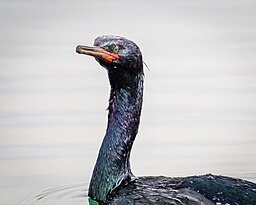
The Pelagic Cormorant is the smallest North American cormorant, well-adapted to rugged marine environments. True to its name, it favours deeper offshore waters, often where land meets sea in dramatic fashion.
Physical Traits: Slender build, iridescent black-green plumage, red facial skin, and white flanks during breeding.
Diet: Mostly fish such as sculpins and sand lance, as well as small crustaceans.
Behaviour: More solitary than other cormorants; often seen diving alone near cliffs or rocky islets.
Nesting Habits: Builds nests in crevices on steep sea cliffs, sometimes barely above the surf.
Interesting Fact: Its streamlined body and narrow bill are perfectly adapted for navigating crevices in underwater rocks while hunting.
5. Neotropic Cormorant (Nannopterum brasilianum)
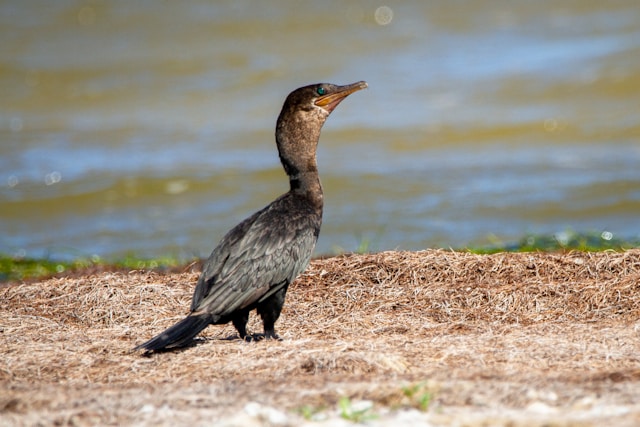
The Neotropic Cormorant is a widespread species in warmer climates, often spotted inland around lakes, lagoons, and reservoirs. It’s smaller than most other cormorants and often confused with juveniles of other species.
Physical Traits: Slender black body, long tail, and a small yellowish patch at the base of the bill. Adults often have a white fringe on the thigh during breeding.
Diet: Primarily fish, supplemented by frogs and aquatic invertebrates.
Behaviour: Frequently seen perched on branches, wires, or pilings in a distinctive upright posture.
Nesting Habits: Builds nests in trees or shrubs near water, sometimes with herons or ibises.
Interesting Fact: Unlike most cormorants, it often nests far from the coast and is highly adaptable to urban wetlands and man-made lakes.
6. Little Pied Cormorant (Microcarbo melanoleucos)
This small, bold-patterned species is widespread across Australasia and Southeast Asia. Its compact size and black-and-white plumage give it a distinctive look.
Physical Traits: Black back and wings with a clean white face, chest, and underparts.
Diet: Small fish, crustaceans, and insects.
Behaviour: Forages alone or in small groups, usually on calm freshwater bodies.
Nesting Habits: Often nests in large colonies with other waterbirds in trees overhanging water.
Interesting Fact: Its small size allows it to manoeuvre easily in tight spaces and shallow water where larger species can’t hunt.
7. Indian Cormorant (Phalacrocorax fuscicollis)
A distinctive species native to the Indian subcontinent, the Indian Cormorant stands out with its sharply defined facial features and blue-green eyes.
Physical Traits: Dark brown-black body, peaked crown, and blue-green eyes; lacks the throat patch seen in many other species.
Diet: Mostly fish, including catfish and carp, often hunted in groups.
Behaviour: Forms large flocks and often engages in coordinated feeding behaviour, herding fish into tight areas.
Nesting Habits: Builds nests in trees or on submerged branches; breeding colonies can be dense and noisy.
Interesting Fact: Also called the Indian Shag, it’s a highly vocal species, especially during nesting season.
Why Are Cormorants Important?
Cormorants are key players in aquatic ecosystems. As apex fish predators, they help maintain healthy fish populations and keep aquatic food chains in balance. Their presence can also indicate good water quality. Though fisheries have sometimes targeted them, studies show that their impact on commercial fish stocks is often minimal compared to environmental and human factors.
How to Spot Cormorants in the Wild
Want to add these feathered divers to your bird list? Here’s what to keep in mind:
Check Near Water: Look around coastal cliffs, lakes, rivers, wetlands, and harbours.
Look for Drying Poses: Cormorants are often seen with wings spread, especially on sunny days.
Observe Their Hunting: Watch for diving and resurfacing behaviour, often with a wriggling fish in the bill.
Listen for Colonies: Some species are surprisingly vocal during breeding season, especially in large nesting colonies.
Final Thoughts
Cormorants may not always be the flashiest birds, but their silent grace, underwater athleticism, and fascinating behaviours make them unforgettable once you get to know them. From the Neotropic Cormorant’s tropical elegance to the Pelagic’s rugged determination, each species has its own story and beauty.
So grab your binoculars, head to your nearest body of water, and see which type of cormorant you can spot today. Happy birding!
Michigan, with its varied landscapes of forests, lakes, and wetlands, offers an ideal habitat for numerous bird species. Among these avian residents, blue birds hold a special place, captivating birdwatchers and nature enthusiasts alike with their vivid hues and melodic songs. In this comprehensive article, we will explore the blue birds commonly found in Michigan, their unique characteristics, habitats, and behaviors. We will also delve into the fascinating subject of Blue and Orange Bird Michigan, highlighting the species that showcase this striking color combination.
Table of Contents
Blue Birds in Michigan
Blue birds are a group of avian species distinguished by their striking blue plumage. Michigan’s diverse ecosystem supports a variety of blue bird species, some of which are year-round residents, while others are seasonal visitors. Let’s take a closer look at some of the most prominent blue birds in the state:
Indigo Bunting
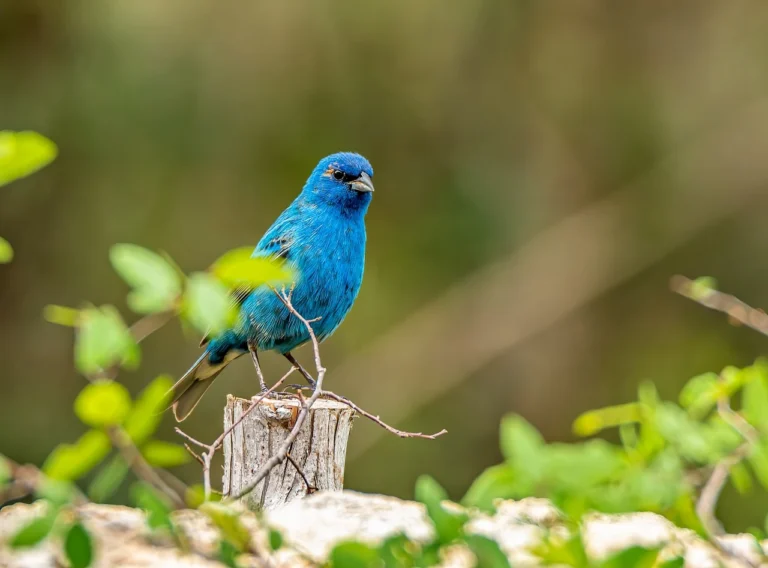
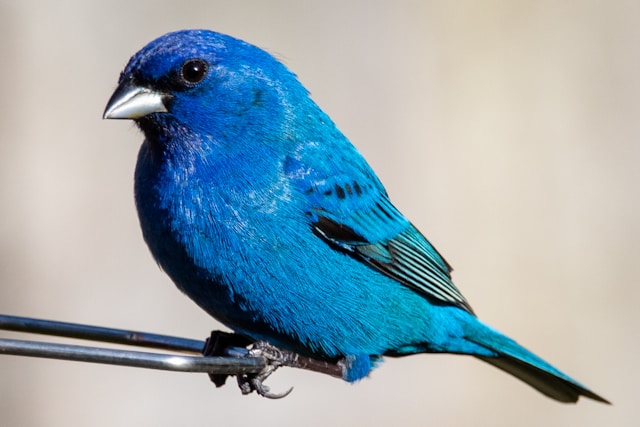
The Indigo Bunting (Passerina cyanea) has a life expectancy of 8 to 10 years in the wild. Their survival depends on food availability, predation, and environmental factors.
Size: This small songbird measures 4.5 to 5.1 inches in length, making it smaller than the Blue Grosbeak but similar in size to other buntings.
Weight: The Indigo Bunting is a lightweight bird, weighing between 0.4 and 0.6 ounces, which allows for agile and efficient flight.
Wingspan: Its wingspan ranges from 7.1 to 9.1 inches, enabling swift movement and strong migratory abilities.
Status: Listed as Least Concern, the Indigo Bunting has a stable population, benefiting from its adaptability to various habitats.
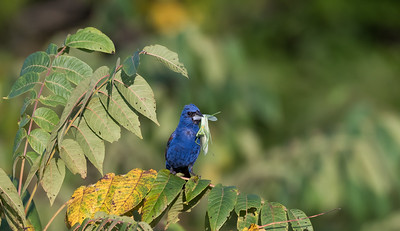
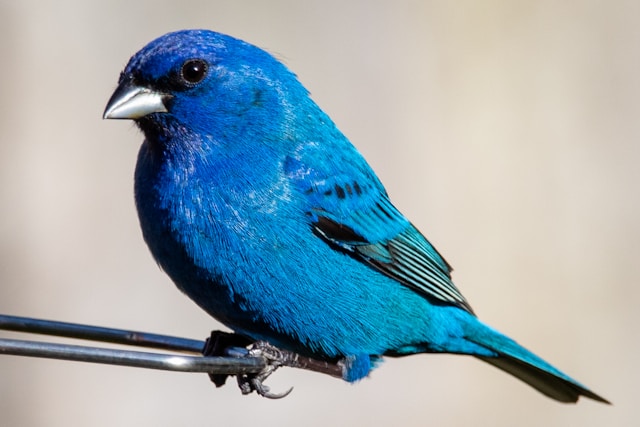
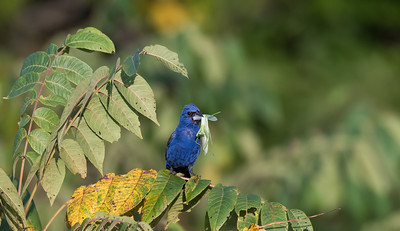
Identification: Males are a striking brilliant blue, while females are brown with faint streaks, providing them with camouflage.
Habitat: It inhabits woodland edges, fields, and brushy areas, often found near open spaces with dense vegetation.
Behavior: Males sing rich, melodious songs from high perches to defend territories. Indigo Buntings are nocturnal migrants, traveling long distances at night.
Revealing the answer in 10 seconds...
Answer: The Red-masked Parakeet, also known as the Cherry-headed Conure, mimics human speech and is often seen in urban areas like San Francisco.
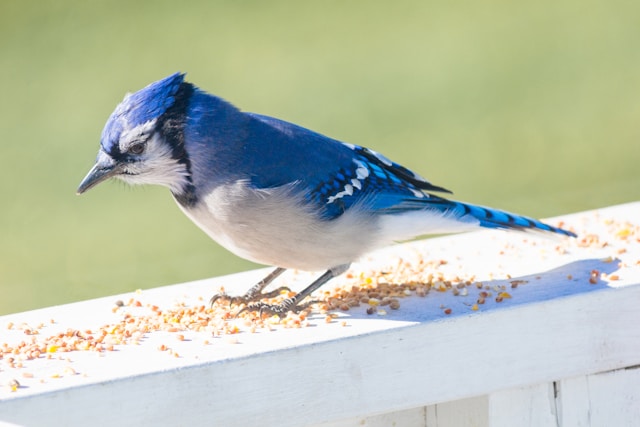
Blue Jay
Life Span: The Blue Jay (Cyanocitta cristata) has an average lifespan of about seven years in the wild. However, in captivity, where they are protected from predators and harsh environmental conditions, they can live up to 17 years.
Size: These birds typically measure between 9 to 12 inches in length. Their size makes them easily recognizable, especially with their striking blue plumage and crest.
Weight: Blue Jays weigh between 2.5 to 3.5 ounces. Their relatively light body allows them to be agile and quick in flight.
Wingspan: The wingspan of a Blue Jay ranges from 13 to 17 inches. This broad wingspan aids in their strong and graceful flight.
Status: Blue Jays are classified as “Least Concern” by conservation organizations. Their population remains stable due to their adaptability to different environments.
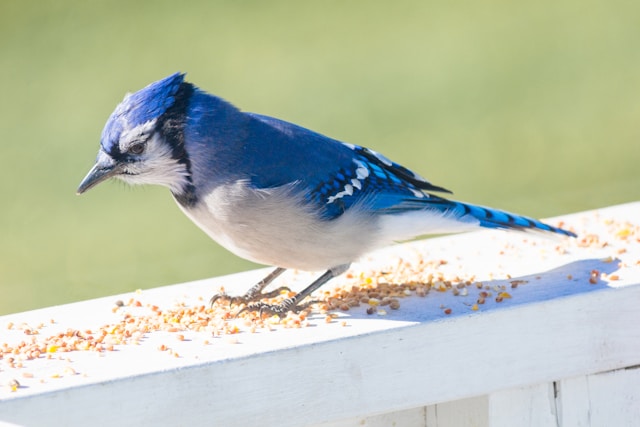
Identification: They are blue with white underparts, a black necklace around their neck, and a distinctive crest on their head.
Habitat: Blue Jays inhabit forests, suburban areas, and parks. They are highly adaptable to both natural and urban settings.
Behavior: These birds are highly intelligent, capable of mimicking other bird calls. They are also known for storing acorns for future use, playing a role in forest regeneration.
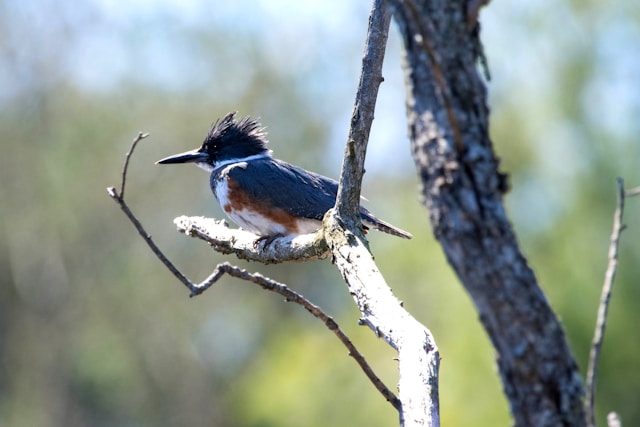
Life Span: The Belted Kingfisher (Megaceryle alcyon) typically lives between 6 to 10 years in the wild. Their lifespan can be affected by environmental conditions, food availability, and predation.
Size: These birds measure between 11 to 14 inches in length. Their size, along with their distinctive head shape and large bill, makes them easy to identify.
Weight: Belted Kingfishers weigh between 4.5 to 6.3 ounces. Their relatively lightweight body helps them stay agile for diving into the water to catch fish.
Wingspan: With a wingspan ranging from 19 to 23 inches, Belted Kingfishers are strong fliers, capable of hovering briefly before plunging into the water.
Status: They are classified as “Least Concern” due to their stable population. However, habitat destruction can pose a threat to their numbers.
Identification: Belted Kingfishers have a large head with a shaggy crest, blue-gray upperparts, and a distinctive white collar around the neck.
Habitat: They are commonly found near rivers, lakeshores, and streams, where they rely on freshwater bodies for food.
Behavior: These birds are expert fishers, often diving headfirst into the water to catch fish. They also nest in burrows along riverbanks, digging tunnels into soft soil.
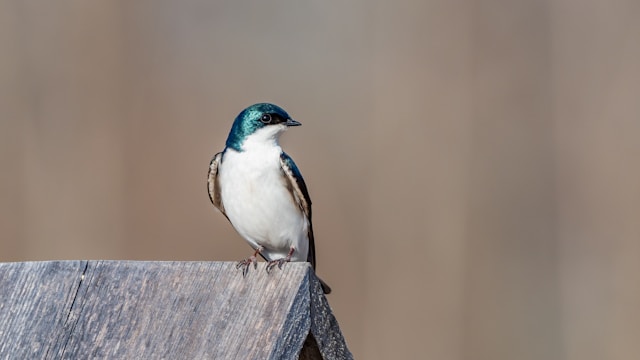
Life Span: The Tree Swallow (Tachycineta bicolor) has a lifespan of about 2 to 6 years in the wild. Their survival depends on factors such as predation, weather conditions, and food availability.
Size: These small birds measure between 4.7 to 5.9 inches in length. Their compact size makes them highly agile in flight.
Weight: Tree Swallows are lightweight birds, weighing between 0.6 to 0.9 ounces. Their light body structure enables them to perform acrobatic maneuvers in the air.
Wingspan: With a wingspan of 11.8 to 13.8 inches, Tree Swallows have long, pointed wings that aid in their swift and agile flight.
Status: They are classified as “Least Concern” due to their widespread population and adaptability to various environments.
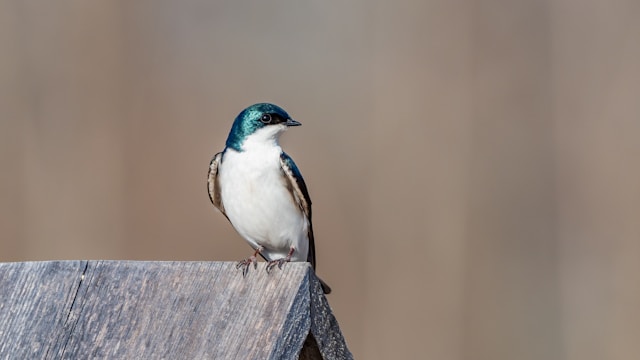
Identification: Tree Swallows have glossy blue upperparts and bright white underparts. Their sleek and iridescent feathers give them a striking appearance in sunlight.
Habitat: They are commonly found in open fields near water and marshes. They prefer areas with abundant flying insects for food.
Behavior: Tree Swallows are aerial insectivores, catching insects mid-flight. They nest in tree cavities, nest boxes, and artificial structures, forming small colonies.
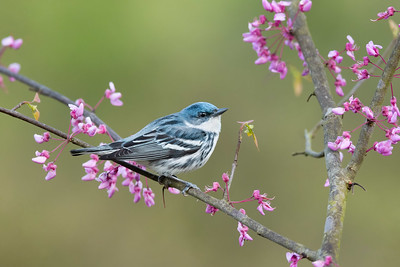
Cerulean Warbler
Life Span: The Cerulean Warbler (Setophaga cerulea) has a lifespan of about six years in the wild. Their survival depends on habitat conditions, predation, and migration challenges.
Size: These small songbirds measure approximately 4.3 inches in length. Their compact size allows them to move swiftly through the treetops.
Weight: Cerulean Warblers are extremely lightweight, weighing between 0.3 to 0.4 ounces. Their small body makes them highly agile when foraging for insects.
Wingspan: With a wingspan of about 7.9 inches, these birds are adept at quick, fluttering flights as they navigate through forest canopies.
Status: They are classified as “Near Threatened” due to habitat loss and deforestation, particularly in their breeding and wintering grounds.
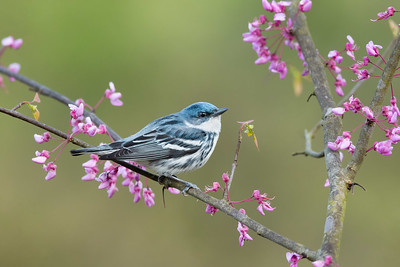
Identification: Cerulean Warblers have a sky-blue back, white underparts, and dark streaks on their sides. Males have more vibrant blue plumage, while females are slightly greener.
Habitat: They prefer mature deciduous forests with tall trees. They are most commonly found in undisturbed woodlands during the breeding season.
Behavior: These warblers stay high in the forest canopy, where they forage for insects. They are known for their rapid movements and melodic songs during the breeding season.
Black-throated Blue Warbler
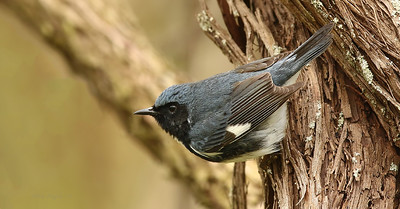
Life Span: The Black-throated Blue Warbler (Setophaga caerulescens) has a lifespan of about 8 to 10 years. Their longevity depends on factors such as habitat quality, food availability, and predation.
Size: These small songbirds measure between 4.3 to 5.1 inches in length. Their compact body allows them to move swiftly through dense vegetation.
Weight: They are very lightweight, weighing between 0.3 to 0.4 ounces. Their small size and agility help them efficiently forage for food in forest undergrowth.
Wingspan: With a wingspan ranging from 7.5 to 8.3 inches, they have strong, quick wingbeats that allow them to navigate through forest understory.
Status: The species is classified as “Least Concern” due to stable populations. However, habitat loss remains a threat to their breeding and wintering grounds.
Identification: Males have a deep blue back, black mask, and white belly, making them easy to identify. Females are more muted in color, with olive-brown upperparts and pale underparts.
Habitat: Black-throated Blue Warblers prefer deciduous and mixed forests, particularly areas with dense shrubs and understory growth. They thrive in mature woodlands with thick foliage.
Behavior: These warblers forage in the understory, searching for insects, spiders, and berries. They are active and secretive, often staying low in the vegetation while hunting for food.
Blue and Orange Birds in Michigan
Michigan is home to a few species of birds that exhibit the striking combination of blue and orange plumage. These birds are a visual treat and often draw the attention of birdwatchers.
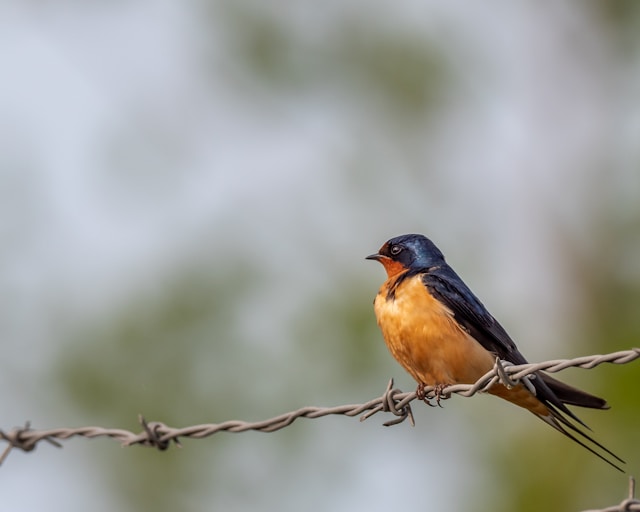
Barn Swallow
Life Span: The Barn Swallow (Hirundo rustica) has a lifespan of about 4 to 8 years in the wild. Their survival depends on factors such as food availability, migration challenges, and predation.
Size: These birds measure between 6.7 to 7.5 inches in length. Their sleek body shape and long wings make them excellent fliers.
Weight: Barn Swallows are lightweight birds, weighing between 0.6 to 0.7 ounces. Their low body weight enables them to remain airborne for long periods while hunting insects.
Wingspan: With a wingspan of 11 to 12.6 inches, Barn Swallows have long, pointed wings that allow them to perform acrobatic maneuvers in the air.
Status: The species is classified as “Least Concern” due to its widespread distribution and stable population. However, habitat destruction and climate change may impact their numbers in certain regions.
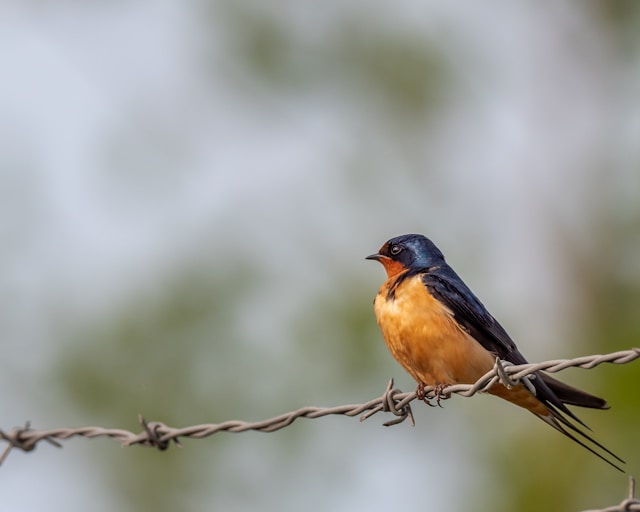
Identification: Barn Swallows have a steel-blue back, rusty orange underparts, and a deeply forked tail. Their streamlined body and long tail feathers make them easy to recognize in flight.
Habitat: They are commonly found in open fields, farms, and areas near water. They prefer places with plenty of flying insects for food.
Behavior: Barn Swallows are highly acrobatic fliers, catching insects mid-air with precision. They build cup-shaped mud nests in barns, bridges, and other human structures.
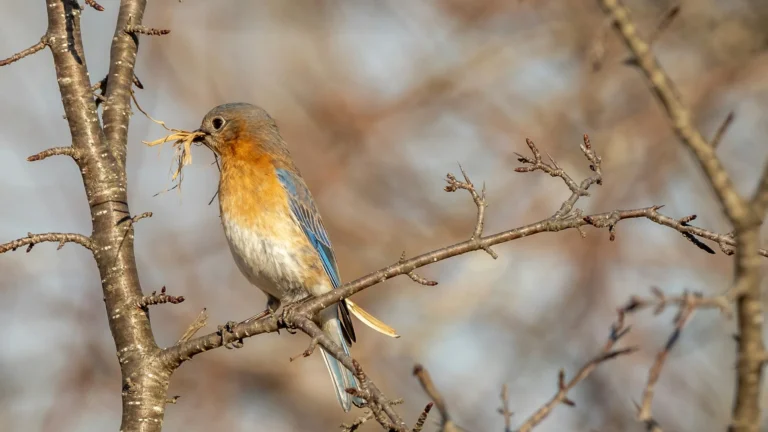
Eastern Bluebird
Life Span: The Eastern Bluebird (Sialia sialis) typically lives between 6 to 10 years in the wild. Their lifespan depends on factors such as predation, weather conditions, and food availability.
Size: These medium-sized songbirds measure between 6.3 to 8.3 inches in length. Their size allows them to be agile while foraging for food and defending their nesting sites.
Weight: Eastern Bluebirds weigh between 1 to 1.2 ounces. Their lightweight body helps them maneuver easily through open habitats while searching for insects and fruits.
Wingspan: With a wingspan of 9.8 to 12.6 inches, they have strong, rounded wings that enable swift and direct flight patterns.
Status: They are classified as “Least Concern” due to stable populations. Conservation efforts, such as nest box programs, have helped increase their numbers in many areas.
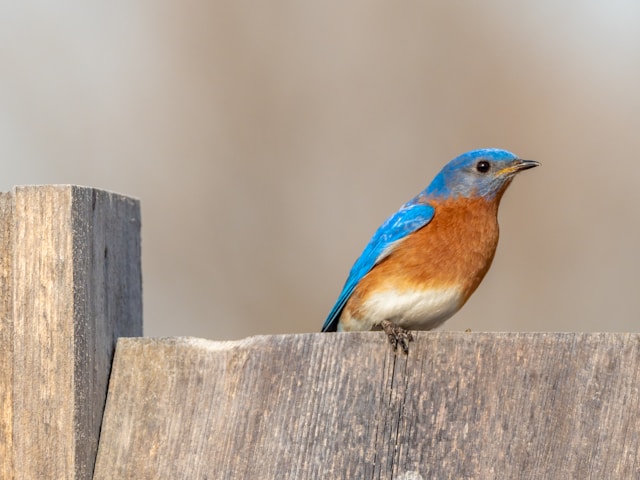
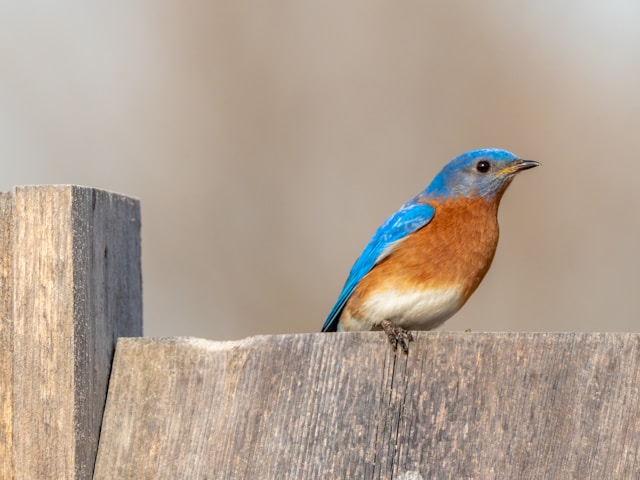
Identification: Eastern Bluebirds have a bright blue back, an orange chest, and a white belly. Males have more vivid colors, while females are slightly duller with grayish-blue tones.
Habitat: They thrive in open fields, orchards, and suburban areas with scattered trees and perches. They prefer habitats with access to nesting cavities and abundant food sources.
Behavior: Eastern Bluebirds nest in natural tree cavities, old woodpecker holes, and nest boxes. They primarily feed on insects but also consume berries and fruits, especially in colder months.
American Kestrel
Life Span: The American Kestrel (Falco sparverius) has a lifespan of about 5 to 10 years in the wild. Their longevity depends on food availability, environmental conditions, and predation risks.
Size: These small falcons measure between 8.7 to 12.2 inches in length. Despite their small size, they are powerful and agile hunters.
Weight: American Kestrels weigh between 2.8 to 5.8 ounces. Their lightweight body enables them to hover in place while searching for prey.
Wingspan: With a wingspan of 20 to 24 inches, they have long, pointed wings that allow for swift and precise flight when hunting.
Status: They are classified as “Least Concern,” but their populations are declining in some areas due to habitat loss and pesticide use.
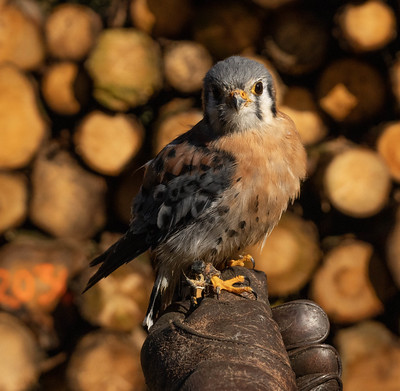
Identification: Males have slate-blue wings, a rusty orange back, and black facial markings. Females have more brownish tones with dark streaks on their undersides.
Habitat: They prefer open fields, grasslands, and agricultural areas with scattered trees, perches, and access to prey. They often nest in tree cavities and man-made structures.
Behavior: American Kestrels are skilled hunters, often hovering in the air before diving into prey. They feed on insects, small mammals, and birds, using their sharp talons and beak to catch and kill their food.
Blue Grosbeak
Life Span: The Blue Grosbeak (Passerina caerulea) has a life expectancy of 6 to 9 years in the wild. Survival depends on factors like predation, habitat quality, and food availability.
Size: This medium-sized songbird measures 5.5 to 7.5 inches in length, making it slightly larger than other members of the Passerina genus.
Weight: The Blue Grosbeak weighs between 0.9 and 1.1 ounces, with males typically being slightly heavier than females.
Wingspan: Its wingspan ranges from 10 to 11 inches, aiding in its swift and agile flight during migration and foraging.
Status: Classified as Least Concern, the species maintains stable populations, benefiting from its adaptability to different habitats.
Identification: Males are deep blue with chestnut-orange wing bars, while females and juveniles are brown with a hint of blue.
Habitat: It prefers shrubby areas, woodland edges, and thickets, often near fields, roadsides, and riparian zones.
Behavior: The Blue Grosbeak feeds on seeds, insects, and fruits, often singing from high perches and defending its territory aggressively.
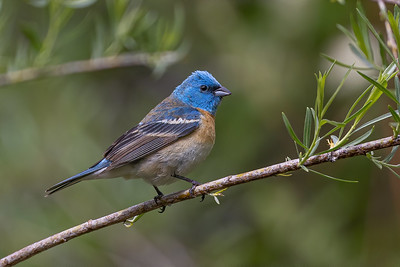
Lazuli Bunting
Life Span: The Lazuli Bunting (Passerina amoena) has a lifespan of about 5 to 9 years in the wild. Their survival is influenced by habitat quality, food availability, and predation.
Size: These small songbirds measure between 5.1 to 5.9 inches in length. Their compact size allows them to be agile in dense vegetation and open spaces.
Weight: Lazuli Buntings are lightweight birds, weighing between 0.5 to 0.6 ounces. Their low body weight enables quick, darting flights while foraging.
Wingspan: With a wingspan of about 8.7 inches, they are efficient flyers, moving swiftly between perches and foraging areas.
Status: They are classified as “Least Concern” due to stable population levels. However, habitat loss and climate changes could pose future risks.
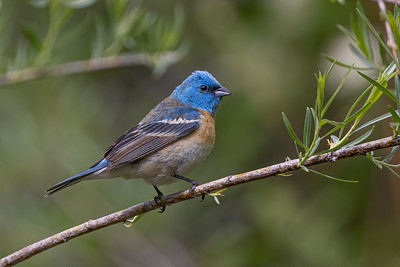
Identification: Males have a bright blue head and wings, an orange breast, and a white belly, making them strikingly colorful. Females are more muted, with brownish tones and a hint of blue on the wings.
Habitat: Lazuli Buntings are commonly found in open woodlands, brushy meadows, and along streams. They prefer habitats with plenty of cover and food sources.
Behavior: Males sing melodious songs from perches to attract mates and defend territory. They consume a variety of seeds, fruits, and insects, making them adaptable foragers throughout the seasons.
Varied Thrush
Life Span: The Varied Thrush (Ixoreus naevius) has a lifespan of about 4 to 7 years in the wild. Their survival depends on factors such as predation, food availability, and environmental conditions.
Size: These medium-sized songbirds measure between 7.9 to 10.2 inches in length. Their sturdy build and strong legs help them forage efficiently on the forest floor.
Weight: Varied Thrushes weigh between 2.3 to 3.5 ounces. Their moderate weight allows them to be agile in flight while maintaining strength for ground foraging.
Wingspan: With a wingspan ranging from 13 to 17 inches, they have broad, powerful wings that enable swift and direct flight through dense forests.
Status: They are classified as “Least Concern” due to stable populations. However, habitat destruction and climate change could affect their numbers in the future.
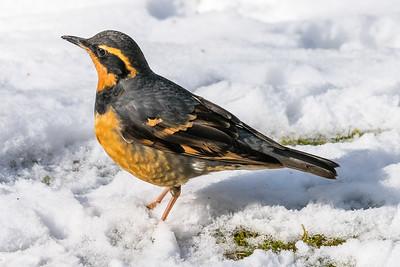
Identification: Varied Thrushes have a slate-blue back, an orange breast, and a black necklace-like band across their chest. Males have more vivid colors, while females have paler markings.
Habitat: They prefer dense forests, especially in the Pacific Northwest. They are commonly found in coniferous and mixed woodlands with thick undergrowth.
Behavior: Varied Thrushes are ground foragers, searching for insects, berries, and seeds among leaf litter. They are known for their haunting, flute-like songs, which echo through the forest.
Birdwatching Tips for Blue and Orange Birds in Michigan
If you are eager to observe blue and orange birds in Michigan, consider these tips:
Best Locations: Visit nature reserves, state parks, and wetlands for the best birdwatching opportunities. Places like Sleeping Bear Dunes, Seney National Wildlife Refuge, and Kensington Metropark are excellent starting points.
Timing: Early morning is the best time to spot birds as they are most active during this period.
Equipment: Invest in a good pair of binoculars and a bird guidebook specific to Michigan. A camera with a zoom lens is also helpful for capturing close-up shots.
Patience: Birdwatching requires patience and quiet observation. Avoid sudden movements or loud noises that might scare the birds away.
Join Communities: Engage with local birdwatching groups to share experiences and learn from seasoned birders.
Final Thoughts
Michigan’s blue and orange birds add a splash of color and life to the state’s landscapes. Whether you are an avid birdwatcher or a casual nature lover, these birds offer endless opportunities for discovery and appreciation. By fostering conservation efforts and engaging with local birdwatching communities, you can play a part in preserving these avian treasures for generations to come. Happy birdwatching!
Florida’s extensive coastline, estuaries, and marshlands create an ideal habitat for a variety of shorebirds. These birds not only contribute to the delicate ecosystem but also offer a fascinating subject for birdwatchers and nature enthusiasts. Whether you’re an avid birder or a casual observer, being able to recognize these species can greatly enhance your appreciation of Florida’s avian diversity. Below is a guide to some of the most commonly seen Shorebirds of Florida in the Sunshine State.
Shorebirds of florida
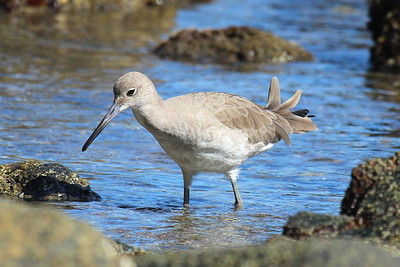
1. Willet (Tringa semipalmata)
Identification: A medium-sized shorebird (13-16 inches) with a sturdy build, straight thick bill, and long grayish legs. In the non-breeding season, it has a plain gray-brown appearance, while the breeding plumage is mottled brown.
Distinctive Markings: Displays a bold black-and-white wing pattern when in flight.
Habitat: Inhabits coastal beaches, estuaries, mudflats, and salt marshes.
Behavior: Willets forage for invertebrates in sand and mud, often alone or in small groups. Their loud “pill-will-willet” call is distinctive, and during breeding, they nest in grassy areas near wetlands. They migrate to warmer coastal areas in winter.
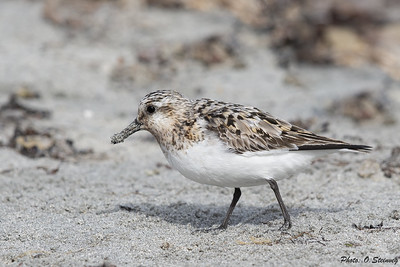
Identification: A small, active sandpiper (7-8 inches), with a short, straight black bill and black legs.
Distinctive Markings: In non-breeding plumage, they are pale gray with a white underside; in breeding season, they develop rust-colored patches.
Habitat: Common on sandy beaches and shorelines, often seen at the water’s edge.
Behavior: Sanderlings exhibit wave-chasing behavior, running along the shore to catch invertebrates as waves retreat. They rarely wade into the water, instead preferring the wet sand. Highly migratory, they breed in the Arctic and winter in Florida.
Revealing the answer in 10 seconds...
Answer: The Red-masked Parakeet, also known as the Cherry-headed Conure, mimics human speech and is often seen in urban areas like San Francisco.
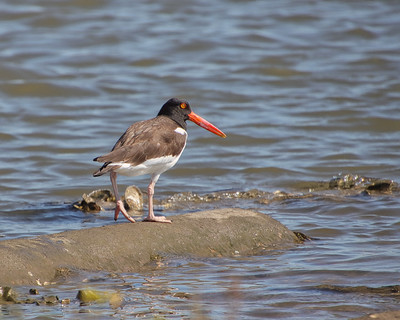
3. American Oystercatcher (Haematopus palliatus)
Identification: A large shorebird (17-21 inches) with black-and-white plumage, long pink legs, and a thick, bright orange-red bill.
Distinctive Markings: Bold black head, white underparts, and striking yellow eyes with a red eye-ring.
Habitat: Coastal beaches, oyster beds, and mudflats.
Behavior: Uses its powerful bill to pry open shellfish like oysters and clams. Often seen walking along shorelines, probing for food. Nests directly on sand, laying 2-4 eggs. During breeding season, they aggressively defend their territory.
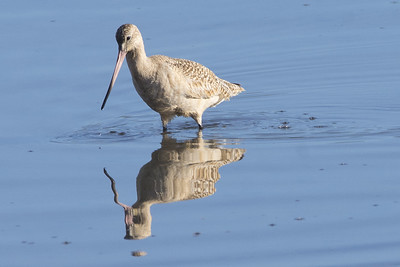
Identification: A large shorebird (16-19 inches) with long bluish-gray legs and a slightly upturned, pinkish bill that darkens at the tip.
Distinctive Markings: Cinnamon-colored plumage with dark barring on wings and back.
Habitat: Mudflats, estuaries, and coastal marshes.
Behavior: Uses its long bill to probe deep into wet sand and mud for invertebrates. Sweeps its bill side to side to locate prey. Migrates from breeding grounds in the northern Great Plains to winter in Florida.
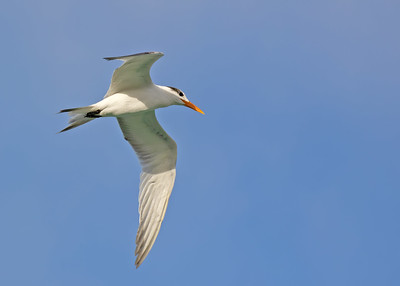
5. Royal Tern (Thalasseus maximus)
Identification: The Royal Tern is a large seabird, measuring 18-21 inches in length with a wingspan of about 50 inches. It has a slender body, long pointed wings, and a sharp, slightly curved, bright orange bill. Its flight is elegant and buoyant, often seen gliding over coastal waters.
Distinctive Markings: It has a gray back, white underside, and a black cap on its head that recedes in the non-breeding season, leaving only a black patch behind the eyes.
Habitat: Royal Terns are found along coastal beaches, estuaries, and nearshore waters, rarely venturing far inland.
Behavior: They hunt fish by plunge-diving into the water from midair, often in small groups. They nest in large, noisy colonies on sandy beaches, laying one or two eggs in a shallow scrape.
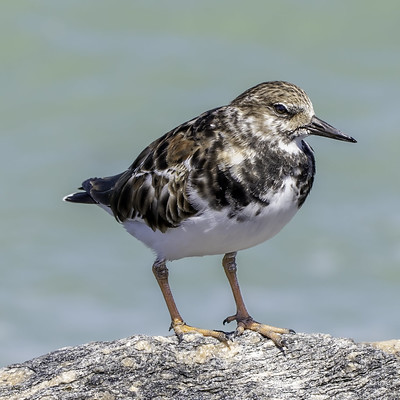
6. Ruddy Turnstone (Arenaria interpres)
Identification: The Ruddy Turnstone is a small, stocky shorebird measuring 8-10 inches in length with a short, slightly upturned black bill and bright orange legs. Its compact body and agile movements make it easily recognizable among other shorebirds.
Distinctive Markings: During breeding season, it has striking harlequin-like plumage with a mix of black, white, and rich chestnut colors. In non-breeding plumage, it appears duller, with brownish-gray upperparts.
Habitat: Found along rocky coastlines, sandy beaches, mudflats, and jetties, Ruddy Turnstones prefer areas with seaweed and debris where they can forage.
Behavior: True to their name, they flip over stones, shells, and debris using their strong bills to uncover insects, crustaceans, and mollusks. They migrate from Arctic breeding grounds to Florida’s coasts in winter, often seen in small flocks.
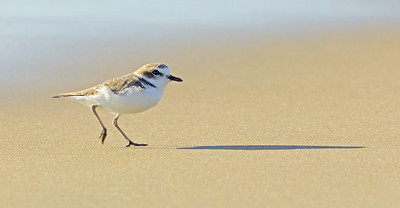
7. Snowy Plover (Charadrius nivosus)
Identification: The Snowy Plover is a tiny shorebird, measuring 5-7 inches in length, with a short, thin black bill and long, slender dark legs. It has a round, compact body and a short tail, making it well-adapted for running across sandy beaches.
Distinctive Markings: Its pale sandy-gray upperparts blend perfectly with its coastal habitat, while its white underparts provide contrast. It has a thin black collar, black patches on the forehead and behind the eyes, and a small black bar on each side of the neck.
Habitat: Snowy Plovers prefer sandy beaches, salt flats, and coastal dunes, often near tidal zones.
Behavior: They forage for small insects and crustaceans by darting quickly across the sand. They nest directly on the ground, creating shallow scrapes in the sand, making them vulnerable to human disturbances and predators.
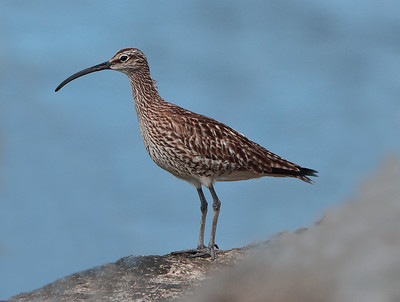
8. Whimbrel (Numenius phaeopus)
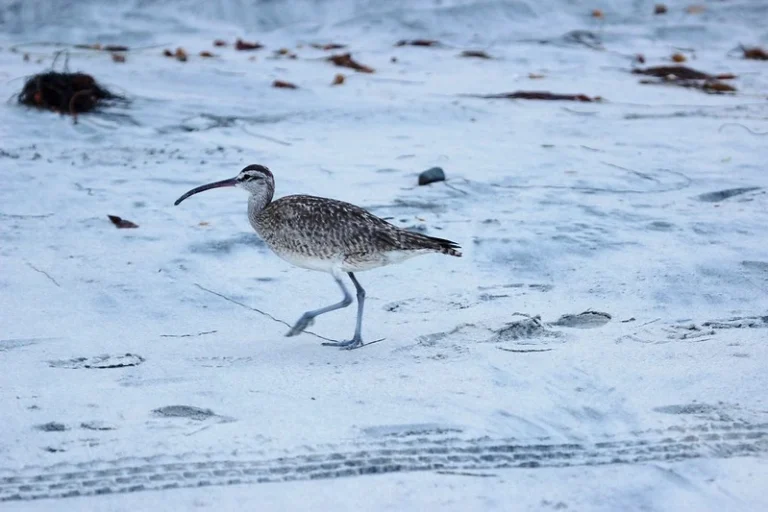
Identification: The Whimbrel is a large shorebird, measuring 15-19 inches in length, with long, bluish-gray legs and a long, downward-curved bill. Its bill is perfectly adapted for probing deep into sand and mud to catch invertebrates.
Distinctive Markings: It has brown streaked plumage that provides excellent camouflage in coastal habitats. A distinctive dark crown stripe separates two pale stripes running along the top of its head, helping differentiate it from other curlews.
Habitat: Whimbrels inhabit mudflats, salt marshes, beaches, and tidal estuaries. They are most commonly seen during migration, as they travel between Arctic breeding grounds and wintering areas, including Florida.
Behavior: They forage by probing for crabs, marine worms, and insects. Whimbrels are strong migratory birds, capable of flying thousands of miles nonstop between breeding and wintering grounds. Their high-pitched, whistling call is often heard in flight.
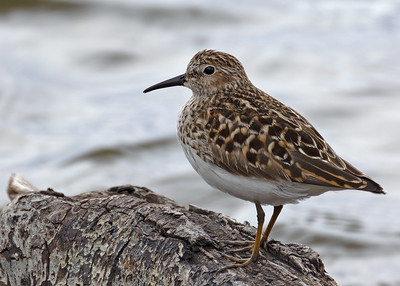
9. Least Sandpiper (Calidris minutilla)
Identification: The Least Sandpiper is the smallest shorebird, measuring only 5-6 inches in length, with a wingspan of about 10 inches. It has a compact body, short, thin, slightly decurved bill, and slender legs.
Distinctive Markings: Its brownish upperparts contrast with a white belly. It can be distinguished from other sandpipers by its greenish-yellow legs (compared to the black legs of similar species). During breeding season, it has darker, more patterned plumage.
Habitat: Found in mudflats, salt marshes, and freshwater wetlands, this sandpiper prefers wet, muddy areas where it can forage in shallow water.
Behavior: Least Sandpipers forage by carefully picking at tiny invertebrates such as insects, crustaceans, and small mollusks. They migrate long distances from Arctic breeding grounds to Florida’s coasts and wetlands, often traveling in small flocks.
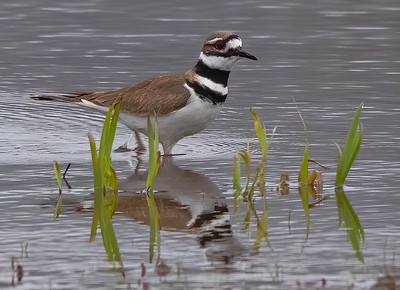
10. Killdeer (Charadrius vociferus)
Identification: The Killdeer is a medium-sized plover, measuring 8-11 inches in length, with a slender body, long legs, and a relatively short, straight black bill. It has a round head and large, dark eyes that enhance its alert appearance.
Distinctive Markings: It is easily recognized by its brown upperparts, white underparts, and two distinct black bands across its chest. The face has a white forehead and a dark stripe that runs from the bill through the eye. Its long, rusty-orange rump is visible in flight.
Habitat: Unlike many shorebirds, Killdeer inhabit a variety of open landscapes, including shorelines, gravel roads, fields, golf courses, and even urban areas.
Behavior: Famous for its “broken-wing” distraction display, the Killdeer feigns injury to lure predators away from its nest. It has a loud, repetitive “kill-deer” call and actively runs while foraging for insects and small invertebrates.
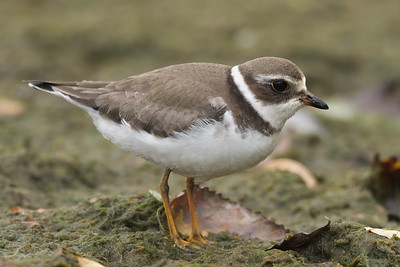
11. Semipalmated Plover (Charadrius semipalmatus)
Identification: The Semipalmated Plover is a small shorebird, measuring 6-7 inches in length, with a compact body, short neck, and a short, straight black bill with an orange base. It has relatively long wings and a rounded head, giving it a plump appearance.
Distinctive Markings: It has brown upperparts and a white underside, with a single bold black band across its chest. It also features a white eyebrow stripe, orange legs, and a dark face mask. The term “semipalmated” refers to the partial webbing between its toes, which helps it walk on wet sand and mud.
Habitat: Found along sandy beaches, mudflats, estuaries, and shorelines during migration and wintering periods.
Behavior: It forages using a stop-and-go technique, running short distances before pecking at small invertebrates like crustaceans, worms, and insects. Often seen in mixed flocks with other small shorebirds.
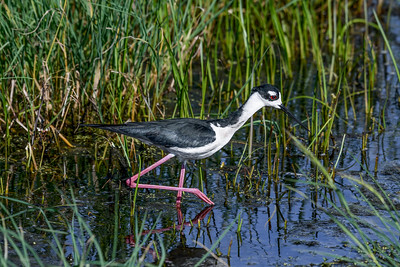
12. Black-necked Stilt (Himantopus mexicanus)
Identification: The Black-necked Stilt is a striking shorebird, measuring 13-15 inches in length, with an extremely slender body, thin, straight black bill, and extraordinarily long pink legs—the longest legs in proportion to body size of any bird in North America.
Distinctive Markings: It has contrasting black-and-white plumage, with a black back, wings, and head extending down the back of the neck. The underparts are pure white. Males have a glossy black sheen, while females appear slightly browner.
Habitat: Prefers shallow wetlands, salt flats, estuaries, and coastal lagoons where water is shallow enough for wading.
Behavior: Black-necked Stilts wade through shallow water, picking small fish, insects, and crustaceans from the surface. They are highly vocal and give sharp, yapping calls when disturbed. During breeding, they form loose colonies and aggressively defend their nests, often engaging in aerial displays to ward off predators.
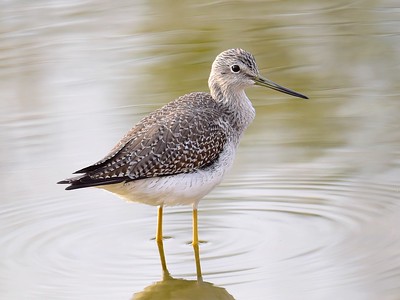
13. Greater Yellowlegs (Tringa melanoleuca)
Identification: The Greater Yellowlegs is a tall, slender shorebird, measuring 11-14 inches in length, with long, bright yellow legs and a slightly upturned, straight bill that is longer than its head. It has a sleek body and a graceful, upright posture.
Distinctive Markings: Its plumage is speckled gray and brown on the upperparts, with a white belly. During breeding season, it has more distinct streaking on the neck and breast. In flight, it displays a white rump and a dark-barred tail.
Habitat: Common in mudflats, salt marshes, estuaries, shallow wetlands, and coastal shorelines.
Behavior: Greater Yellowlegs actively forage in shallow water, often stirring up prey with their feet before striking. They eat small fish, crustaceans, and insects. They are known for their loud, piercing calls and tend to be more solitary than Lesser Yellowlegs, though they sometimes mix in small flocks.
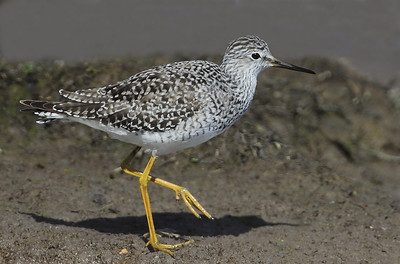
14. Lesser Yellowlegs (Tringa flavipes)
Identification: The Lesser Yellowlegs is a medium-sized shorebird, measuring 10-11 inches in length, with long, bright yellow legs and a straight, slender black bill that is about the same length as its head. It has an elegant, upright stance and a sleek body.
Distinctive Markings: It has gray-brown upperparts speckled with white and a white belly. During breeding season, its plumage becomes more heavily streaked on the neck and breast. In flight, it shows a white rump and barred tail. It closely resembles the Greater Yellowlegs but is smaller with a proportionally shorter, straighter bill.
Habitat: Found in wetlands, mudflats, estuaries, salt marshes, and shallow ponds.
Behavior: Lesser Yellowlegs are active foragers, wading in shallow water and picking up small fish, insects, and crustaceans. They are social, often found in small flocks, and their soft “tu-tu” call helps distinguish them from the louder Greater Yellowlegs.
Conclusion
Shorebirds of Florida offer birdwatchers a chance to witness an array of fascinating species year-round. By learning to recognize these birds by their size, plumage, behavior, and habitat, you can gain a deeper appreciation for the coastal and wetland ecosystems that support them. Whether you’re strolling along the beach or exploring a marsh, keep an eye out for these incredible shorebirds and their unique adaptations.
Birds that look like a peacock is often recognized for its striking and colorful plumage, though not every bird with similar features is a true peacock. Birds like the Indian and green peafowl share visual similarities with the peacock, especially in their vivid feathers and elaborate displays. The male of these species fans its iridescent tail feathers to attract mates, just like the iconic peacock. Additionally, certain pheasants, such as the silver pheasant, also exhibit similarly ornate feather patterns, creating a visual connection to the grandeur of peafowl.
14 Birds That Look Like a Peacock
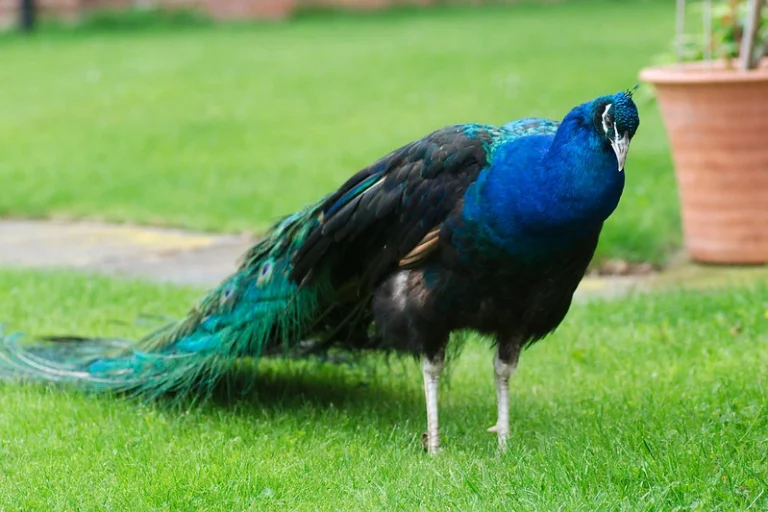
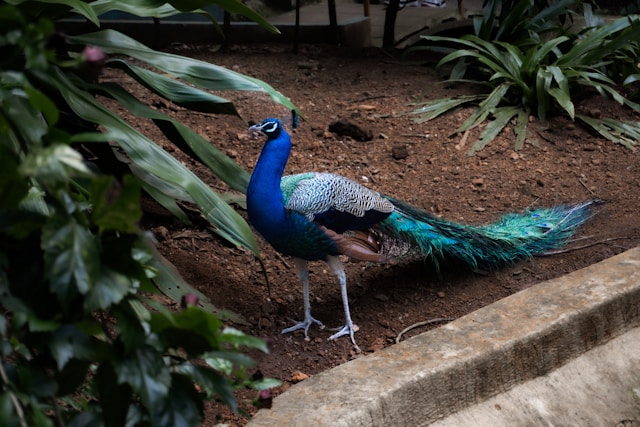
1. Indian Peafowl (Pavo cristatus)
The Indian Peafowl is one of the most celebrated birds in the avian world, renowned for its shimmering blue-green plumage and dramatic tail displays.
Native to the Indian subcontinent, the Indian Peafowl thrives in forests, grasslands, and even urban areas.
The male’s long train, adorned with iridescent “eye” patterns, serves as a key feature for attracting females.
During courtship, males spread their elaborate feathers in a stunning fan-like arrangement.
These birds also hold cultural significance in India, being associated with mythology, art, and even as the national bird.
Revealing the answer in 10 seconds...
Answer: The Red-masked Parakeet, also known as the Cherry-headed Conure, mimics human speech and is often seen in urban areas like San Francisco.
2. Green Peafowl (Pavo muticus)
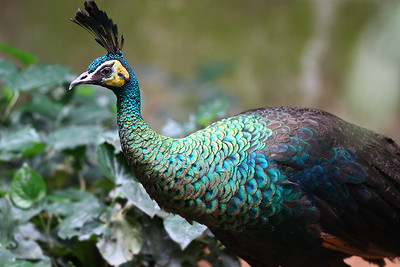
The Green Peafowl stands out with its luminous green and gold plumage, making it a striking relative of the Indian Peafowl.
Native to Southeast Asia, this bird is found in diverse habitats, including grasslands, forests, and wetlands.
Unlike the Indian Peafowl, both male and female Green Peafowls exhibit colorful plumage, though the male’s tail is longer and more spectacular.
These birds are quieter but more elusive, contributing to their mystique.
Sadly, habitat loss and hunting have led to a sharp decline in their numbers, making them one of the most endangered peafowl species.
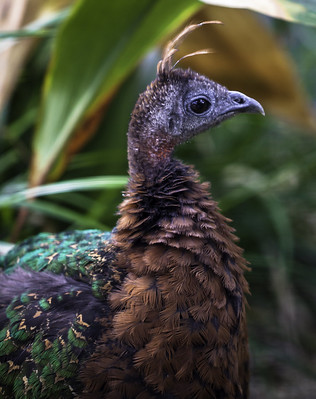
The Congo Peafowl, native to the dense forests of the Congo Basin, is a rare and unique species.
Unlike its Asian counterparts, this peafowl has a more understated beauty, with dark blue and green plumage that blends seamlessly into its environment.
Males have metallic greenish-blue feathers and a small crest, while females are smaller and feature brown and iridescent tones.
Little is known about their behavior due to their reclusive nature, but they are believed to be monogamous and ground-dwelling.
The Congo Peafowl’s rarity and restricted habitat range make it a symbol of biodiversity in the African rainforest.
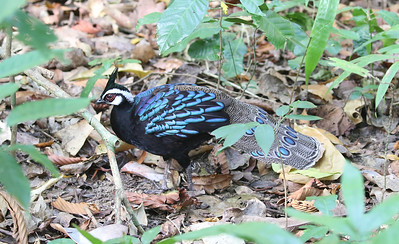
The Palawan Peacock-Pheasant (Polyplectron napoleonis) is a striking bird endemic to Palawan, Philippines.
Known for its iridescent plumage, the male displays vivid blue-green feathers, a metallic crest, and intricate eye-spotted patterns on its tail.
Females are more subdued, with brownish feathers for camouflage.
These ground-dwelling birds inhabit dense forests, feeding on seeds, fruits, and small invertebrates.
Renowned for their elaborate courtship displays, males fan their tails and perform to attract mates. The species is monogamous and nests on the forest floor.
Conclusion
The peacock may reign supreme as the king of beauty in the avian world, but many other birds share its majesty and charm. From the dazzling colors of the Birds-of-Paradise to the intricate patterns of pheasants, these birds remind us of nature’s endless creativity and wonder. Each species has its own story, habitat, and unique traits, making them worthy of admiration and conservation efforts to preserve their splendor for future generations.
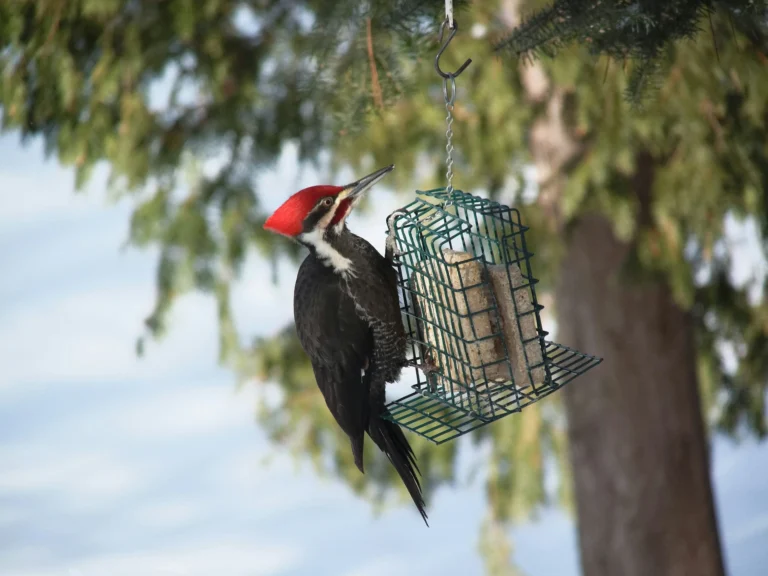
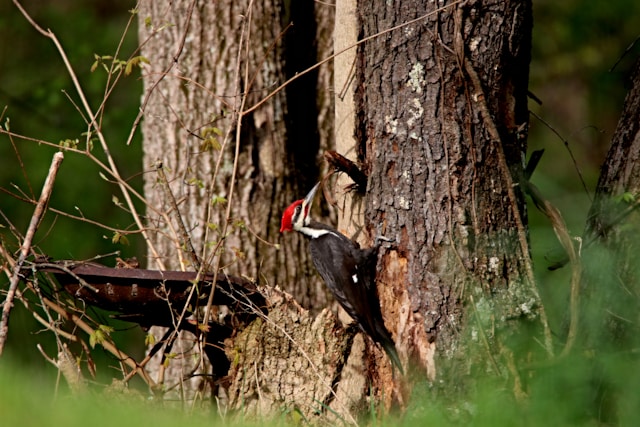
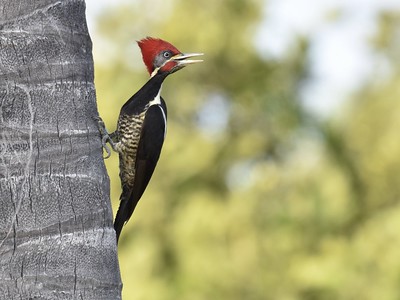
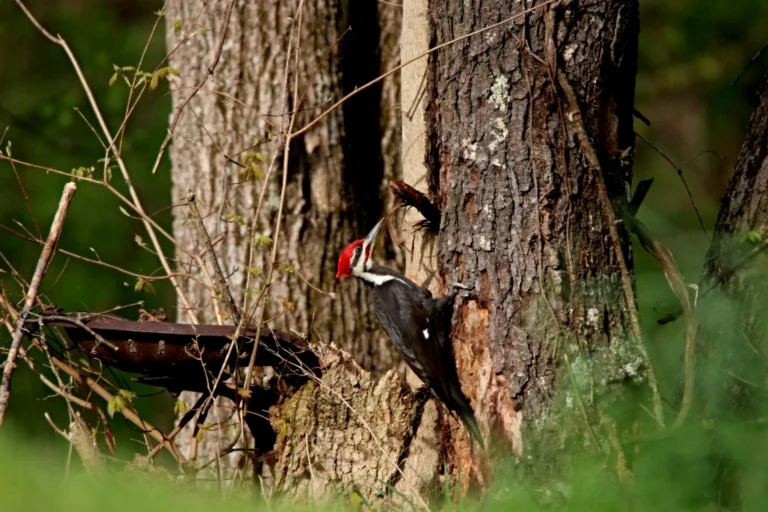
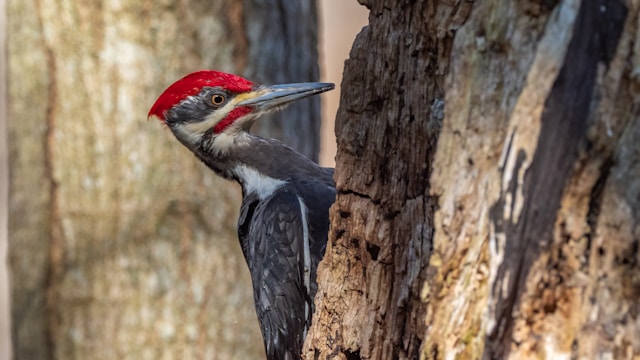
The Pileated Woodpecker is one of North America’s largest and most visually striking woodpeckers. Recognizable by its vivid red crest, black plumage, and distinctive white markings, this bird is a fascinating species found in mature forests. Known for its powerful drumming and ability to carve large rectangular holes in trees, the Pileated Woodpecker plays a critical role in maintaining ecological balance. For centuries, bird enthusiasts and conservationists have admired this species as an indicator of forest health.
Table of Contents
Classification and Taxonomy
Scientific Name:Dryocopus pileatus
Family: Picidae (Woodpecker family)
Order: Piciformes
Related Species: Closely related to the Black Woodpecker (Dryocopus martius), which inhabits parts of Europe and Asia.
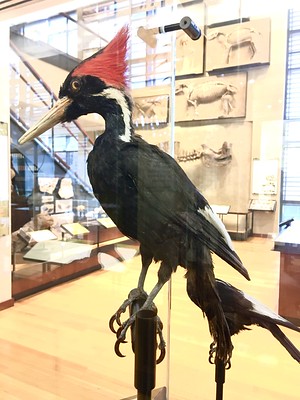
Comparison: Resembles the Ivory-billed Woodpecker, a species that may be extinct in the southeastern United States.
Physical Characteristics
Size: A large woodpecker, measuring between 16 to 19 inches in length.
Wingspan: Typically spans 26 to 30 inches.
Weight: Weighs approximately 8 to 12 ounces (225 to 350 grams).
Call: Emits a loud, distinctive “kuk-kuk-kuk” sound, resembling laughter.
Drumming: Produces deep, rhythmic tapping on trees to establish territory and attract mates.
Ecological Importance
Why They Are Important
Pest Control: By feeding on large numbers of wood-boring insects, they help reduce pest populations.
Forest Regeneration: Their drilling helps decay old trees, contributing to nutrient recycling.
Nesting Cavities: Abandoned nest holes provide homes for owls, bats, squirrels, and other birds.
Threats and Conservation Status
Challenges They Face
Habitat Loss: Deforestation and logging reduce their nesting and foraging areas.
Declining Nesting Sites: Removal of dead trees limits their ability to find suitable nesting cavities.
Predators: Eggs and young woodpeckers are vulnerable to hawks, owls, foxes, raccoons, and snakes.
Current Conservation Status
Classified as Least Concern (LC) by the International Union for Conservation of Nature (IUCN).
Protected under the Migratory Bird Treaty Act in the United States, which prevents illegal hunting or trade.
Comparison with Other Woodpeckers
Feature
Pileated Woodpecker
Ivory-billed Woodpecker
Red-headed Woodpecker
Size
16–19 inches
19–21 inches
7–9 inches
Crest
Bright red
Bright red
Entire head red
Bill
Chisel-like
Longer and pale
Short and pointed
Wing Pattern
Black with white
Prominent white patches
Black and white
Status
Common
Possibly extinct
Stable but declining
Interaction with Humans
How to Attract Them to Your Yard
Offer suet feeders, which they enjoy.
Leave dead trees intact when it is safe to do so, as they provide food and nesting sites.
Cultural Significance
May have inspired the famous cartoon character Woody Woodpecker.
Occasionally observed in urban parks and wooded backyards with mature trees.
Fun Facts
Lifespan: Can live over 12 years in the wild.
Brain Protection: Their skull has special spongy tissue that cushions the brain from impact when pecking.
Pecking Speed: Can strike wood at a rapid rate of 15 to 20 pecks per second.
Conclusion
The Pileated Woodpecker is an essential and charismatic species in North American forests. Its striking red crest, loud calls, and remarkable drumming abilities make it a favorite among birdwatchers. As a crucial component of forest ecosystems, these woodpeckers contribute to insect control, tree decomposition, and the creation of nesting sites for other wildlife. Protecting their habitat through conservation efforts ensures that future generations will continue to enjoy and appreciate this remarkable bird.
Tennessee is home to a remarkable diversity of hawks, offering birdwatchers and nature enthusiasts the opportunity to observe hawks in Tennessee in various habitats. From the open fields and woodlands to wetlands and suburban areas, each hawk species displays unique characteristics and behaviors. Whether it’s the Red-Tailed Hawk’s piercing cry or the Northern Harrier’s low gliding flight, these birds play a vital role in the ecosystem. This guide explores eleven fascinating hawks in Tennessee, their features, habitats, and habits, providing insight into the rich avian diversity of the Volunteer State.
Table of Contents
Types of Hawks in Tennessee
1. Red-Tailed Hawk (Buteo jamaicensis)
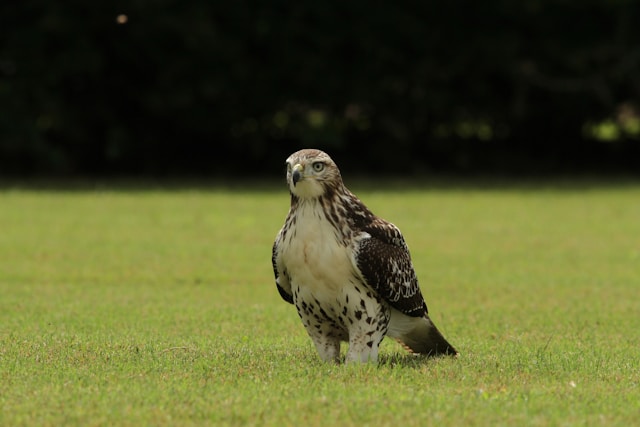
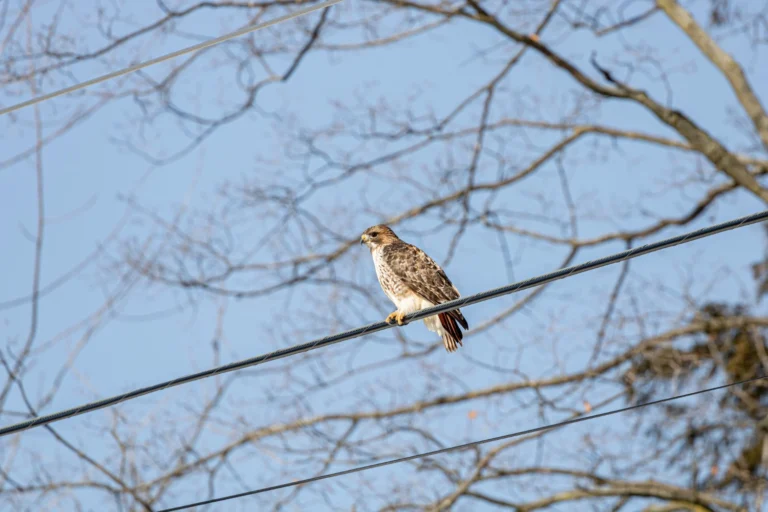
The Red-Tailed Hawk is a common raptor in Tennessee, recognized by its broad wings and striking reddish-brown tail. It thrives in diverse habitats, from open fields to woodlands, often seen soaring gracefully overhead.
This versatile hunter preys on small mammals, reptiles, and birds, showcasing its adaptability. The Red-Tailed Hawk’s piercing cry is iconic, frequently used in films to depict raptors. Adults display a rich brown plumage with pale undersides, making them easily identifiable.
Their soaring flight and sharp vision make them formidable predators, while their widespread presence provides a reliable spectacle for bird enthusiasts and nature lovers alike.
Revealing the answer in 10 seconds...
Answer: The Red-masked Parakeet, also known as the Cherry-headed Conure, mimics human speech and is often seen in urban areas like San Francisco.
2. Cooper’s Hawk (Accipiter cooperii)
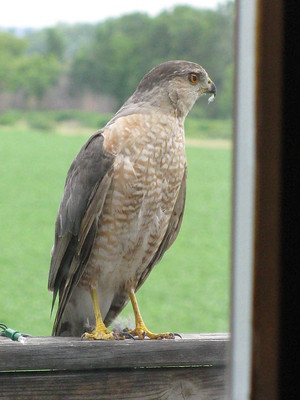
Cooper’s Hawks are agile, medium-sized raptors that excel in wooded environments. Known for their stealth and speed, they hunt smaller birds mid-flight, using their long tails and rounded wings for precise navigation through dense forests.
Males are smaller than females, with both sexes sporting blue-gray backs and reddish-barred chests. Often spotted near suburban areas, these hawks adapt well to human-altered landscapes, occasionally visiting backyard bird feeders to prey on unsuspecting birds. Cooper’s Hawk is also found in other North American states like Florida and Illinois.
Their sharp features and distinctive black-banded tails make them a favorite among birdwatchers. Despite their small size, Cooper’s Hawks are formidable predators, showcasing remarkable agility and hunting prowess.
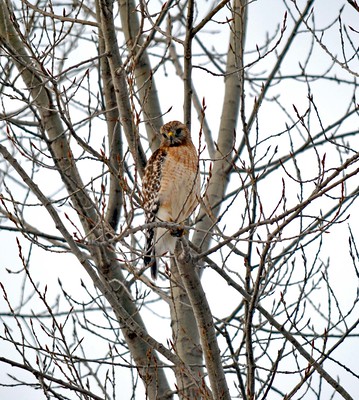
3. Red-Shouldered Hawk (Buteo lineatus)
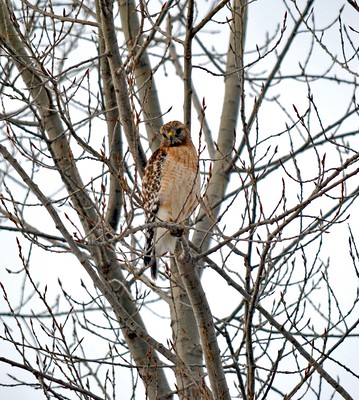
The Red-Shouldered Hawk stands out with its reddish-brown shoulders and intricately patterned wings. This medium-sized raptor prefers habitats near water, such as swamps or riverside forests, where its loud “kee-rah” calls echo through the trees.
It is known for its stocky build, barred underparts, and checkered black-and-white wing patterns. These hawks are skilled hunters, feeding on small mammals, amphibians, and reptiles.
Often spotted perched in trees or gliding gracefully above wetlands, the Red-Shouldered Hawk is a vital part of the ecosystem. Its striking appearance and distinctive behavior make it a cherished sight for bird enthusiasts and nature observers.
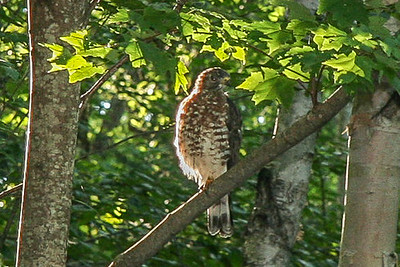
4. Broad-Winged Hawk (Buteo platypterus)
The Broad-Winged Hawk is a smaller raptor known for its remarkable migratory behavior, traveling in large flocks called “kettles.” In Tennessee, they are more noticeable during migration, though they nest in forested areas.
Compact with broad wings, these hawks feature dark brown backs and pale, barred undersides. Their high-pitched whistles are a hallmark of their presence.
Feeding on insects, small mammals, and reptiles, they play an essential role in their ecosystem. Their migration spectacle is a highlight for birdwatchers, as thousands of these hawks gather to journey south, offering an awe-inspiring natural event.
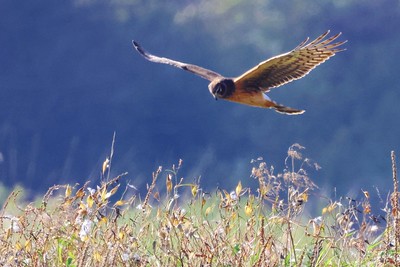
5. Northern Harrier (Circus hudsonius)
The Northern Harrier, distinguishable by its owl-like facial disk, is a unique raptor often seen gliding low over open fields and marshes. Though not a true hawk, it shares similar hunting traits, relying on its acute hearing to locate prey.
Males are gray, while females exhibit a brown plumage, both featuring long tails and a distinctive white rump patch. Their buoyant, low-flight pattern makes them easily recognizable.
Northern Harriers prey on small mammals and birds, using their exceptional sensory adaptations. These elegant hunters are a captivating sight for bird enthusiasts, offering a glimpse of their remarkable hunting techniques and behavior.
6. Sharp-Shinned Hawk (Accipiter striatus)
The Sharp-Shinned Hawk is a small, agile raptor frequently seen in backyards during winter months. With a slim body, shorter wings, and square-tipped tail, it is adept at hunting small birds, often ambushing them near feeders.
These hawks have a blue-gray back, orange-barred chest, and sharp talons for capturing prey. Despite their diminutive size, they are fierce predators, displaying exceptional maneuverability in dense vegetation.
Their resemblance to Cooper’s Hawks can make identification tricky, but their smaller stature and squared tail are key distinctions. The Sharp-Shinned Hawk is a fascinating visitor to suburban areas, captivating birdwatchers with its skillful hunting.
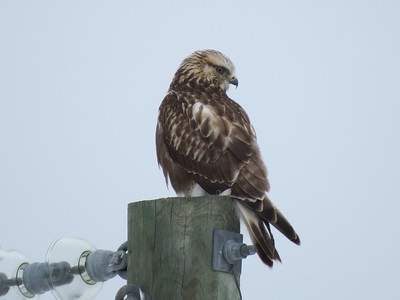
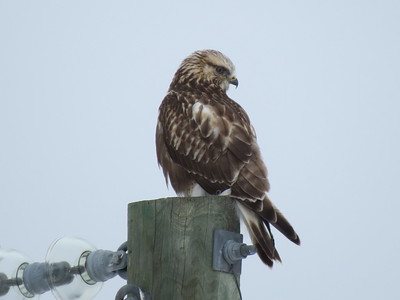
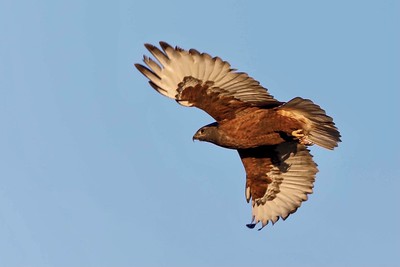
7. Rough-Legged Hawk (Buteo lagopus)
The Rough-Legged Hawk, a winter visitor to Tennessee, is adapted to cold climates and breeds in the Arctic tundra. This large raptor is named for its feathered legs, which help it retain heat in frigid environments.
Found in open fields and agricultural areas, it hunts small mammals and birds, often hovering mid-air before diving on prey. With light and dark morphs, its striking patterns make it a favorite among birdwatchers.
Long, broad wings and a robust build characterize this hawk, which is less common but highly sought after for its beauty and rarity during the winter months.
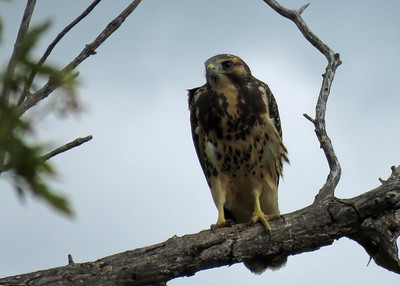
8. Swainson’s Hawk (Buteo swainsoni)
Swainson’s Hawks are rare migrants in Tennessee, typically seen during their long journeys between North and South America. These slender raptors prefer open grasslands and agricultural areas, feeding on insects, small mammals, and reptiles.
Their long, pointed wings and distinctive plumage, including a brown chest and pale underside, make them recognizable. Swainson’s Hawks are social during migration, often traveling in large groups.
Their adaptability and impressive endurance during migration highlight their unique ecological role. For bird enthusiasts, spotting this rare hawk in Tennessee is a special occasion, offering a glimpse of their remarkable migratory lifestyle.
9. Ferruginous Hawk (Buteo regalis)
The Ferruginous Hawk, the largest hawk in North America, is a rare visitor to Tennessee. Known for its pale body and rusty-colored legs, this powerful bird thrives in open grasslands and prairies.
With long, broad wings and a robust build, it is an apex predator, preying on small mammals and birds. Its striking appearance and rarity make it a prized sighting for birdwatchers.
This hawk’s majestic flight and formidable presence underscore its dominance in its habitat. Despite being uncommon in Tennessee, the Ferruginous Hawk’s beauty and strength leave a lasting impression on those fortunate enough to observe it.
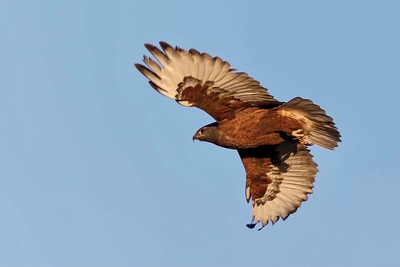
10. Harris’s Hawk (Parabuteo unicinctus)
Harris’s Hawks are social raptors, occasionally spotted in Tennessee despite being more common in the southwestern United States. They are unique for their cooperative hunting tactics, working in groups to capture prey.
These dark brown hawks feature reddish shoulders and legs, with long tails tipped in white. Their adaptability and teamwork set them apart from other raptors.
Found near open areas and edges of woodlands, Harris’s Hawks are fascinating to observe. While rare in Tennessee, their occasional presence delights bird enthusiasts, offering a glimpse into their remarkable social behaviors and striking physical characteristics.
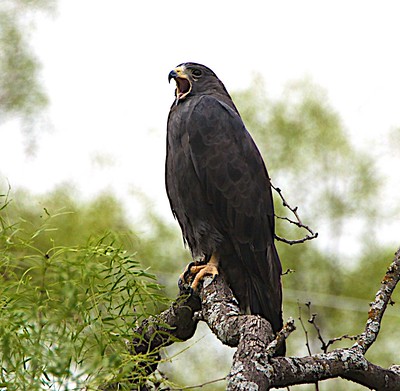
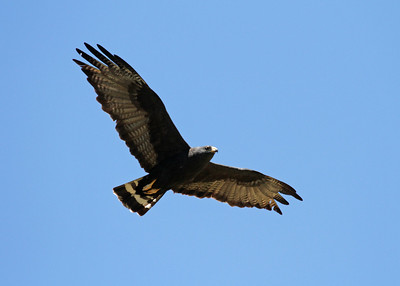
11. Zone-Tailed Hawk (Buteo albonotatus)
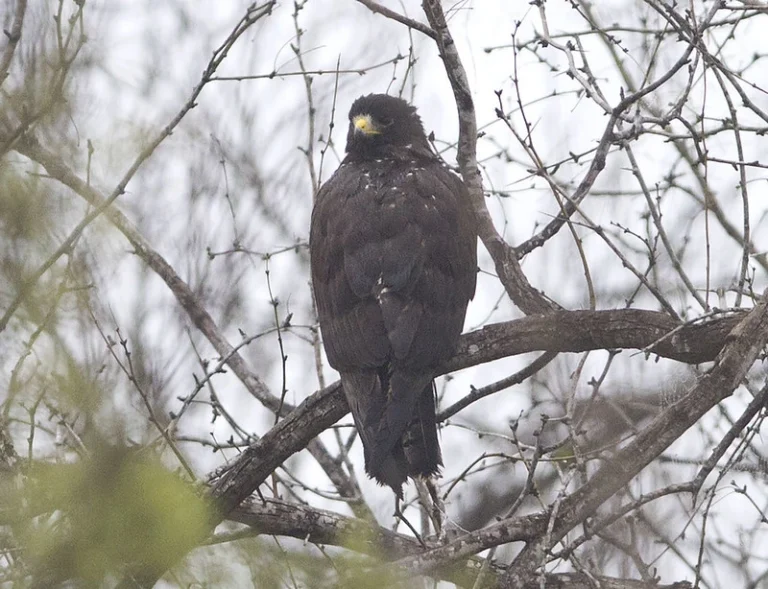
The Zone-Tailed Hawk is a rare and elusive species in Tennessee, often mistaken for a Turkey Vulture due to its similar soaring flight. Its black plumage, white-banded tail, and slender wings help it blend into vulture flocks, allowing it to surprise prey.
Preferring wooded canyons and open fields, this hawk preys on small mammals and reptiles. Its mimicry of vultures is a unique adaptation, showcasing its stealth and hunting prowess.
Though infrequent in Tennessee, spotting a Zone-Tailed Hawk is a special experience for birdwatchers, highlighting the intricate strategies of raptor survival.
Conclusion
Hawks are not only magnificent predators but also vital components of Tennessee’s ecosystems. Their diverse adaptations, from the stealthy Cooper’s Hawk to the migratory Broad-Winged Hawk, highlight the incredible variety within this group of raptors. Observing these birds in their natural habitats offers a deeper appreciation for their role in maintaining ecological balance. Whether common residents or rare visitors, Tennessee’s hawks captivate with their beauty, skill, and ecological importance, leaving an indelible mark on all who have the pleasure of witnessing their grandeur in flight.
Illinois is a haven for hawk enthusiasts, offering a glimpse into the majestic world of these powerful birds of prey. From the soaring Red-tailed Hawk to the agile Cooper’s Hawk, each species contributes to the state’s vibrant ecosystem, controlling populations of small mammals and birds. Whether gliding over grasslands or darting through dense forests, hawks in Illinois showcase incredible hunting skills and adaptability. With diverse habitats like woodlands, wetlands, and open fields, Illinois provides endless opportunities for birdwatchers to marvel at these raptors. Grab your binoculars and explore the skies to witness their grace and power!
Table of Contents
Types of Hawks in Illinois
1. Red-tailed Hawk
The Red-tailed Hawk (Buteo jamaicensis) is one of the most widespread hawks in Illinois. Easily recognizable by its reddish-brown tail and broad wings, this species thrives in a variety of habitats, including open fields, woodlands, and even urban areas. They are known for their sharp eyesight and powerful hunting skills, often preying on small mammals like mice and rabbits.It is also found in many other states of North America.
Identification Tips:
Large size, with a wingspan of about 4 feet.
Distinctive red tail visible in adults.
Loud, piercing scream often heard in movies.
Best Places to Spot:
Forest preserves
Farmlands
Suburban neighborhoods
Revealing the answer in 10 seconds...
Answer: The Red-masked Parakeet, also known as the Cherry-headed Conure, mimics human speech and is often seen in urban areas like San Francisco.
2. Cooper’s Hawk
The Cooper’s Hawk (Accipiter cooperii) is a medium-sized hawk known for its agility and speed. These hawks are adept at navigating through dense forests as they hunt for smaller birds. They are a common sight in Illinois’s wooded areas and suburban backyards, particularly near bird feeders.
Identification Tips:
Slender body with rounded wings and a long tail.
Grayish-blue back and reddish barring on the chest.
Swift, agile flight patterns.
Best Places to Spot:
Forested areas
Residential neighborhoods
3. Sharp-shinned Hawk
Similar in appearance to the Cooper’s Hawk, the Sharp-shinned Hawk (Accipiter striatus) is slightly smaller and just as nimble. These hawks are also forest dwellers and can often be seen darting through trees in pursuit of songbirds. They are more commonly observed during migration periods.
Identification Tips:
Small size, with a wingspan of about 20-27 inches.
Square-shaped tail and thin legs.
Dark cap and reddish barring on the chest.
Best Places to Spot:
Woodlands
Hawk migration observation sites
4. Red-shouldered Hawk
The Red-shouldered Hawk (Buteo lineatus) is a striking bird with vibrant plumage and a distinct call. These hawks prefer riparian habitats, such as wooded areas near rivers and streams. Their diet consists of small mammals, amphibians, and reptiles.
Identification Tips:
Medium size, with reddish shoulders and barred underparts.
Distinctive loud, repetitive call.
Best Places to Spot:
Bottomland forests
River valleys
5. Northern Harrier
The Northern Harrier (Circus hudsonius) is unique among Illinois hawks for its low, gliding flight over grasslands and marshes. With its owl-like face and long wings, this hawk is specially adapted for hunting in open habitats.
Identification Tips:
Long tail and wings, with a white patch on the rump.
Males are gray, while females are brown.
Flight style: low and slow over fields.
Best Places to Spot:
Grasslands
Wetlands
Prairie restoration sites
6. Broad-winged Hawk
A migratory species, the Broad-winged Hawk (Buteo platypterus) is a summer visitor to Illinois. These hawks are best known for their spectacular group migrations, called “kettles,” where hundreds can be seen spiraling upwards in the sky.
Identification Tips:
Compact size, with broad wings and a short tail.
Striped tail and reddish-brown chest.
Best Places to Spot:
Forested areas during summer
Hawk watching sites during migration
7. Rough-legged Hawk
The Rough-legged Hawk (Buteo lagopus) is a winter visitor to Illinois. These hawks prefer open fields and marshes, often seen hovering while hunting for small mammals. Their feathered legs, which extend down to their toes, help them endure cold temperatures.
Identification Tips:
Large size, with a wingspan of 4-5 feet.
Light-colored head and dark belly band.
Feathers covering their legs.
Best Places to Spot:
Agricultural fields
Marshlands
8. Swainson’s Hawk
The Swainson’s Hawk (Buteo swainsoni) is a rare visitor to Illinois, typically spotted during migration. Known for their long migrations to South America, these hawks often form large groups during their travels.
Identification Tips:
Medium size with long, narrow wings.
Light underside with a dark chest band.
Pale face and dark flight feathers.
Best Places to Spot:
Open grasslands
Migration hotspots
9. Ferruginous Hawk
The Ferruginous Hawk (Buteo regalis) is the largest hawk in North America and an occasional visitor to Illinois. Known for its striking appearance and impressive wingspan, this hawk prefers open areas where it can hunt for small mammals.
Identification Tips:
Large size with a wingspan of up to 5 feet.
Rust-colored feathers on the back and legs.
Light underparts with dark markings.
Best Places to Spot:
Open grasslands
Prairie regions
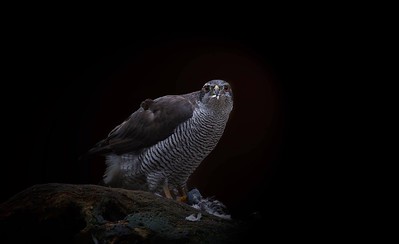
10. Northern Goshawk
The Northern Goshawk (Accipiter gentilis) is a rare and elusive hawk in Illinois, typically found in heavily forested areas. Known for its fierce hunting skills, it preys on a variety of animals, including birds and small mammals.
Identification Tips:
Large size with broad wings and a long tail.
Slate-gray back and finely barred underparts.
Intense red eyes in adults.
Best Places to Spot:
Dense forests
Remote wooded areas
Conclusion
Illinois’s rich natural landscapes provide a haven for these incredible hawks. Whether you’re a seasoned birder or a casual nature enthusiast, observing these raptors in their natural habitats is an unforgettable experience. Pack your binoculars, visit the state’s diverse habitats, and marvel at the beauty and power of these aerial predators.
Pennsylvania is home to an incredible array of bird species, each adding vibrant colors and melodies to the state’s diverse ecosystems. Among these, blue birds stand out for their striking hues and captivating charm. From meadows to woodlands and suburban backyards, these feathered beauties brighten the landscapes and inspire birdwatchers across the Keystone State. This guide delves into the types of blue birds you can spot in Pennsylvania, offering insights into their unique characteristics, habitats, and behaviors.
Table of Contents
12 Types of Blue Birds in Pennsylvania
1. Eastern Bluebird
The Eastern Bluebird symbolizes happiness and is a common sight in Pennsylvania. These small thrushes have vibrant blue plumage on their backs and reddish-orange chests, making them unmistakable.
They inhabit open fields, orchards, and woodland edges, often perching on fences or wires.
Their diet consists of insects, fruits, and berries. Known for their melodious songs, Eastern Bluebirds are cavity nesters and thrive in areas with nesting boxes. Conservation efforts have greatly boosted their population, ensuring their continued presence in the state.
Revealing the answer in 10 seconds...
Answer: The Red-masked Parakeet, also known as the Cherry-headed Conure, mimics human speech and is often seen in urban areas like San Francisco.
2. Mountain Bluebird
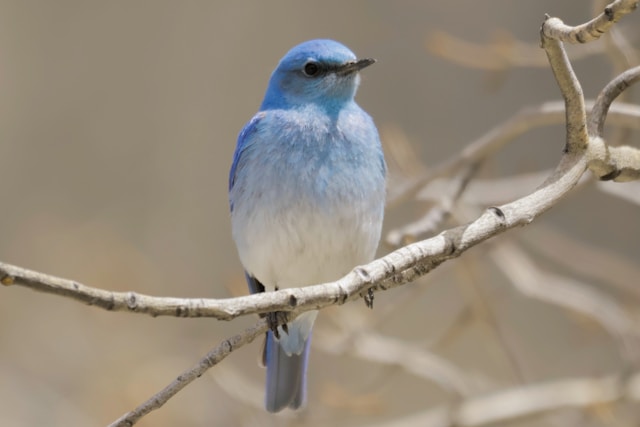
Though less common in Pennsylvania, the Mountain Bluebird is a stunning bird with bright sky-blue feathers and a graceful appearance. Preferring open grasslands and mountainous regions, they occasionally wander into Pennsylvania during migration. These birds are insectivores, often seen hovering above fields to spot prey.
Their nests are built in cavities, and they may use nest boxes if natural options are scarce. Mountain Bluebirds are a joy to observe, adding a splash of vivid blue to the landscape.
3. Blue Jay
The Blue Jay is a year-round resident in Pennsylvania and is easily recognized by its striking blue and white plumage with black accents.
Known for their intelligence and noisy calls, Blue Jays are frequent visitors to backyard feeders. They are omnivores, eating everything from seeds and nuts to insects and small vertebrates.
Blue Jays play a vital role in forest regeneration by dispersing acorns. Social and bold, they often mimic the calls of other birds and are highly territorial.
4. Indigo Bunting
The Indigo Bunting is a small songbird renowned for its vibrant, all-blue feathers that shimmer in sunlight.
Found in brushy areas, forest edges, and fields, these birds are summer visitors to Pennsylvania.
Indigo Buntings feed on seeds, berries, and insects. Their sweet, high-pitched songs are a treat for birdwatchers. Males sing persistently during the breeding season to defend their territory and attract mates.
These birds migrate to Central and South America during winter, making their presence in Pennsylvania a seasonal delight.
5. Cerulean Warbler
The Cerulean Warbler is a diminutive, tree-dwelling bird with a striking blue-and-white color pattern. Preferring mature deciduous forests, they are often found high in the tree canopy.
These warblers are insectivores, foraging for caterpillars, flies, and other small insects.
Known for their fast, buzzing songs, Cerulean Warblers are a challenge to spot due to their treetop habitat. Unfortunately, their populations are declining due to habitat loss, making conservation efforts crucial for their survival.
6. Blue Grosbeak
The Blue Grosbeak is a rare but beautiful bird in Pennsylvania, sporting deep blue plumage with chestnut wing bars.
They inhabit shrubby fields, forest edges, and riparian areas. Blue Grosbeaks are seed and insect eaters, often seen foraging on the ground or perching on shrubs.
Their melodious, warbling song is a highlight for bird enthusiasts. These birds breed in Pennsylvania during the summer months and migrate to Central America for the winter.
7. Tree Swallow
The Tree Swallow is a sleek bird with iridescent blue-green backs and white underparts.
Found near water bodies, open fields, and wetlands, they are adept aerial foragers, catching insects mid-flight.
Tree Swallows nest in cavities and readily use nesting boxes. Their graceful flight patterns and social behavior make them a favorite among birdwatchers. During migration, they form large flocks, creating mesmerizing aerial displays.
8. Northern Parula
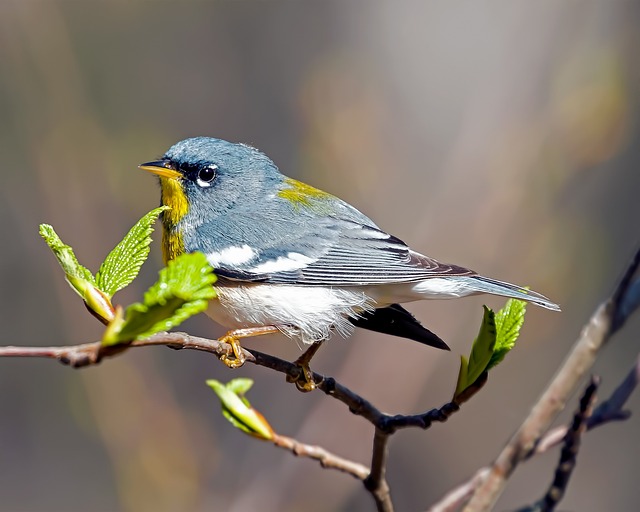
The Northern Parula is a small warbler with a bluish-gray back, yellow chest, and white wing bars. These birds inhabit mature forests with abundant moss and lichen, where they build unique hanging nests.
Northern Parulas are insectivores, feeding on spiders and small insects. Their high-pitched, buzzy songs can be heard during the breeding season.
Migrating through Pennsylvania, they are most commonly observed in spring and fall, delighting bird enthusiasts with their colorful presence.
9. Barn Swallow
The Barn Swallow is a graceful bird with cobalt-blue upperparts, a reddish throat, and a deeply forked tail.
These birds are common in Pennsylvania, often nesting in barns, under bridges, or on other man-made structures.
They are aerial insectivores, catching prey on the wing with impressive agility. Barn Swallows are highly social and often seen in flocks.
Their cheerful chirps and swooping flight patterns make them a beloved sight in rural and suburban areas.
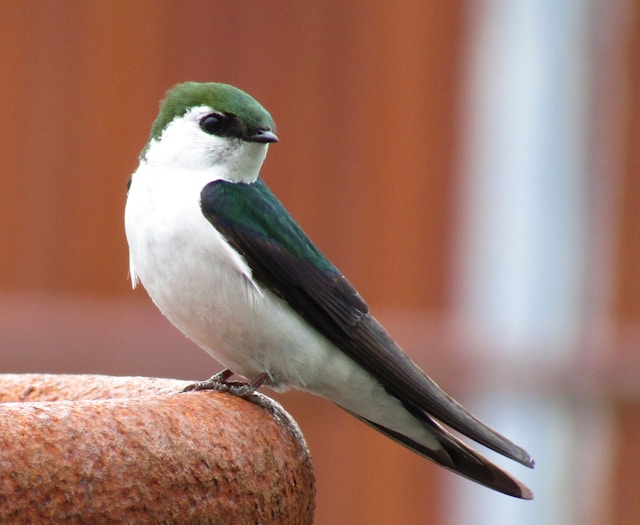
10. Violet-green Swallow
The Violet-green Swallow is an occasional visitor to Pennsylvania, distinguished by its glossy green back and violet tail.
These birds prefer open areas near water and cliffs. They are aerial foragers, feeding on flying insects.
Violet-green Swallows nest in cavities, including those in trees or cliffs, and occasionally use nest boxes. Their swift, acrobatic flight and vivid coloring make them a spectacular sight during migration.
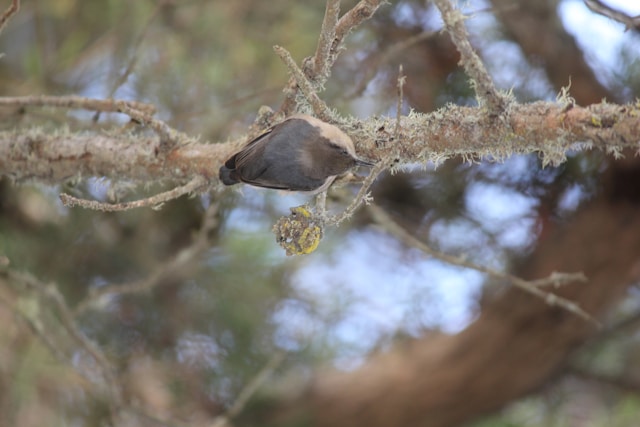
11. Pygmy Nuthatch
The Pygmy Nuthatch is a small, social bird with a bluish-gray back and a buff-colored underbelly.
Found in coniferous forests, they occasionally stray into Pennsylvania.
These birds are agile climbers, often seen moving headfirst down tree trunks in search of insects and seeds.
Pygmy Nuthatches nest in tree cavities and form close-knit family groups. Their high-pitched, twittering calls and playful behavior endear them to bird enthusiasts.
12. Lazuli Bunting
The Lazuli Bunting is a rare but vibrant visitor to Pennsylvania. Males display a brilliant blue head and back with an orange chest and white belly.
They inhabit shrubby areas and forest edges, feeding on seeds, berries, and insects. Lazuli Buntings are known for their cheerful, melodious songs.
During migration, they bring a burst of color and music to the landscape, captivating birdwatchers lucky enough to spot them.
Tips for Spotting Blue Birds in Pennsylvania
Choose the Right Habitat: Different species prefer various environments, from open fields to dense forests.
Use Binoculars: These make it easier to observe details like plumage and behavior.
Time Your Visits: Many bluebirds are migratory, so spring and summer are ideal seasons for spotting them.
Learn Their Songs: Recognizing bird calls can help you locate species that may be hidden in foliage.
Pennsylvania’s diverse habitats make it an excellent destination for birdwatching. Whether you’re a seasoned birder or a curious beginner, keep an eye out for these dazzling bluebirds during your next outdoor adventure!
Conclusion
Blue birds bring unparalleled beauty and ecological value to Pennsylvania. Each species, from the common Blue Jay to the rare Lazuli Bunting, offers a unique glimpse into the state’s vibrant avian diversity. Birdwatchers and nature enthusiasts can enjoy these magnificent creatures by visiting the right habitats and using simple tools like binoculars and field guides. Pennsylvania’s varied landscapes provide an excellent backdrop for observing and appreciating these colorful birds. By understanding their habitats and behaviors, you contribute to preserving these species for future generations
Florida is a haven for bird enthusiasts, offering a rich variety of hawks in Florida that thrive in its diverse landscapes. From dense forests to open wetlands, each species contributes uniquely to the state’s ecosystems. This guide highlights the incredible diversity of hawks in Florida, showcasing their appearances, behaviors, and ecological roles. Whether you’re a seasoned birder or a curious observer, Florida’s hawks are sure to captivate your interest.
13 Types of Hawks in Florida
1. Red-tailed Hawk (Buteo jamaicensis)
The Red-tailed Hawk is one of the most widespread hawks in North America. Known for its broad wings and distinctive red tail, this raptor is commonly seen soaring over open fields and forests in Florida.
These birds are adaptable and thrive in various environments, making them one of the most easily spotted hawks in the region. Their powerful build and sharp talons make them skilled hunters, often seen perched high, scanning the ground for prey.
Despite their fierce hunting style, they play a crucial role in maintaining ecological balance by controlling rodent populations.
Appearance: Brown body with a reddish tail.
Habitat: Open fields, deserts, and woodlands.
Diet: Small mammals, birds, and reptiles.
Revealing the answer in 10 seconds...
Answer: The Red-masked Parakeet, also known as the Cherry-headed Conure, mimics human speech and is often seen in urban areas like San Francisco.
2. Red-shouldered Hawk (Buteo lineatus)
The Red-shouldered Hawk is easily recognized by its reddish shoulders and striking barred chest. These vocal birds are known for their sharp, distinctive calls that resonate through the wetlands and wooded areas they inhabit.
Red-shouldered Hawks are agile hunters, often seen gliding over swamps or perched near rivers, waiting to strike at prey.
Their preference for amphibians and reptiles highlights their vital role in aquatic ecosystems, contributing to the balance of these habitats.
Appearance: Reddish shoulders, dark bands on wings.
Habitat: Swamps, river valleys, and mixed woodlands.
Diet: Frogs, lizards, and small mammals.
3. Cooper’s Hawk (Accipiter cooperii)
The Cooper’s Hawk is a stealthy and agile predator, often found in wooded areas and suburban backyards. Known for its speed and precision, this hawk specializes in hunting small birds, swooping down swiftly to catch its prey. Its adaptability to human-altered landscapes has allowed its population to thrive.
Cooper’s Hawks are often mistaken for Sharp-shinned Hawks due to their similar appearance, but they are larger and have more rounded tails.
Appearance: Blue-gray back with a reddish-barred chest.
Habitat: Forests, woodlands, and suburban areas.
Diet: Small birds and mammals.
4. Sharp-shinned Hawk (Accipiter striatus)
The Sharp-shinned Hawk, the smallest hawk in North America, is an expert hunter of small birds. Its quick and agile flight makes it a formidable predator, often darting through dense foliage to surprise its prey.
This hawk is more commonly seen during migration periods in Florida. While similar to the Cooper’s Hawk, it has a squared-off tail and slightly smaller build, making identification a rewarding challenge for birdwatchers.
Appearance: Blue-gray back with an orange-striped chest.
Habitat: Dense forests and edges.
Diet: Small birds and insects.
5. Broad-winged Hawk (Buteo platypterus)
The Broad-winged Hawk is renowned for its spectacular migrations, forming massive flocks, or “kettles,” that fill the sky. These seasonal movements are a sight to behold, drawing birdwatchers from far and wide.
In Florida, this hawk can be seen during migration seasons as it travels to and from its breeding and wintering grounds. Its diet consists of a variety of prey, reflecting its adaptability and resilience.
Appearance: Brown above with white underparts and barred chest.
Habitat: Forests and open woodlands.
Diet: Small mammals, amphibians, and insects.
6. Northern Harrier (Circus hudsonius)
The Northern Harrier is unique among hawks due to its owl-like facial disk, which enhances its ability to hunt by sound. This bird often glides low over marshes and fields, its distinctive white rump patch easily visible.
Northern Harriers are solitary hunters, preferring to fly alone as they search for small mammals and birds. Their presence is a sign of healthy wetland ecosystems, making them an important indicator species.
Appearance: Slim body with long wings and a white rump patch.
Habitat: Marshes, fields, and wetlands.
Diet: Small mammals and birds.
7. Short-tailed Hawk (Buteo brachyurus)
A
The Short-tailed Hawk is a rare sight in the United States, with its range primarily in southern Florida. This tropical species is known for its two distinct color morphs, which provide camouflage in different habitats.
It primarily hunts birds, often soaring high in the sky and swooping down on unsuspecting prey. Its limited distribution makes it a prized observation for bird enthusiasts visiting Florida.
Appearance: Two color morphs: light (white underparts) and dark (blackish body).
Habitat: Forest edges and open areas.
Diet: Birds and small mammals.
8. Zone-tailed Hawk (Buteo albonotatus)
The Zone-tailed Hawk’s resemblance to a turkey vulture helps it blend in with scavengers, giving it an advantage while hunting.
This rare visitor to Florida is often mistaken for its lookalike due to its flight style and blackish coloration. When spotted, it’s typically in open landscapes or arid regions, making it a rare treat for birdwatchers.
Appearance: Blackish with white bands on its tail.
Habitat: Arid landscapes and open areas.
Diet: Small mammals, reptiles, and birds.
9. Great Black Hawk (Buteogallus urubitinga)
The Great Black Hawk is an impressive tropical raptor that occasionally appears in Florida. With its striking black plumage and white tail tip, this hawk is a formidable predator of reptiles and amphibians.
While rare, its presence adds to Florida’s biodiversity, particularly in coastal or forested areas. Its powerful build and sharp talons make it an efficient hunter, thriving in its native tropical habitats.
Appearance: Black body with a white tail tip.
Habitat: Tropical forests and coastal regions.
Diet: Reptiles, amphibians, and fish.
10. Ferruginous Hawk (Buteo regalis)
The Ferruginous Hawk is a regal and striking bird, known for its large size and powerful flight. With its rust-colored back and pale underparts, this hawk is adapted to open landscapes where it hunts small mammals.
Though more common in western regions, occasional sightings in Florida make it an exciting find for bird enthusiasts. Its role as a top predator in its habitat is crucial for maintaining ecological balance.
Appearance: Rusty-red back with pale underparts.
Habitat: Open grasslands and deserts.
Diet: Small mammals, including prairie dogs and rabbits.
11. Harris’s Hawk (Parabuteo unicinctus)
The Harris’s Hawk is unique among raptors for its cooperative hunting behavior, often forming small groups to capture prey.
This social strategy sets it apart and increases its success rate. Its striking dark brown plumage, accented by chestnut shoulders and white markings, makes it easily identifiable.
Found in arid regions, the Harris’s Hawk demonstrates remarkable adaptability and intelligence, thriving even in challenging environments.
Appearance: Dark brown with chestnut shoulders and white markings.
Habitat: Arid regions and scrublands.
Diet: Small mammals, birds, and reptiles.
12. Rough-legged Hawk (Buteo lagopus)
The Rough-legged Hawk is a winter visitor to Florida, migrating from its Arctic breeding grounds. Its feathered legs provide insulation in cold climates, a distinctive feature among hawks. Often seen hovering over open fields, it hunts small mammals like voles.
The Rough-legged Hawk’s seasonal presence adds to Florida’s avian diversity, providing birdwatchers with a glimpse of a raptor adapted to extreme conditions.
Appearance: Light underparts with dark belly bands and feathered legs.
Habitat: Open fields and tundra.
Diet: Small mammals and birds.
13. White-tailed Hawk (Geranoaetus albicaudatus)
The White-tailed Hawk is a striking raptor with a distinctive white tail and black band. This bird of prey is rarely seen in Florida, making any sighting noteworthy. It thrives in open grasslands, where it hunts a variety of small animals. Its sharp eyesight and powerful talons make it a skilled predator.
The White-tailed Hawk’s presence in Florida highlights the state’s role as a haven for diverse avian species.
Appearance: Gray body with a white tail and black band.
Habitat: Grasslands and open areas.
Diet: Small mammals, birds, and reptiles.
Conclusion
The hawks of Florida symbolize the state’s ecological richness, offering unforgettable experiences for nature lovers. Observing these raptors in their natural habitats provides a deeper appreciation for the balance they maintain in the environment.
Florida’s vibrant ecosystems, ranging from pine forests to wetlands, provide a perfect habitat for a variety of Florida Woodpeckers. Known for their rhythmic drumming and unique adaptations, these fascinating birds play crucial roles in maintaining healthy ecosystems. Whether it’s the Pileated Woodpecker, a striking giant carving through tree bark, or the tiny Downy Woodpecker flitting between branches, each species brings its own charm and ecological importance. With a mix of resident and migratory woodpeckers, Florida Woodpeckers offer birdwatchers and nature enthusiasts plenty of opportunities to observe these avian wonders in their natural habitats.
Its bold black plumage, accented by white stripes on its face and a vivid red crest, make it unmistakable.
Preferring mature forests, these birds use their strong bills to carve large, rectangular holes in trees while searching for ants and beetle larvae.
Their loud, resonant calls often echo through wooded areas, signaling their presence.
Observing their industrious foraging and striking appearance makes them a favorite among birdwatchers and nature enthusiasts alike.
Revealing the answer in 10 seconds...
Answer: The Red-masked Parakeet, also known as the Cherry-headed Conure, mimics human speech and is often seen in urban areas like San Francisco.
2. Red-bellied Woodpecker
Scientific name: Melanerpes carolinus
Life span: 10-12 years
Size: 9-10.5 inches
Weight: 2-3 ounces
Wingspan: 13-16 inches
The Red-bellied Woodpecker is a common sight in Florida’s woodlands and suburban backyards.
Despite its name, the reddish hue on its belly is faint and often hard to notice. More prominent are its red cap and nape, which contrast with its black-and-white striped back.
This versatile woodpecker thrives on a varied diet, including insects, fruits, nuts, and seeds.
Its distinctive, rolling calls and adaptability to human-altered environments make it a frequent visitor to feeders, providing ample opportunities for close observation.
3. Downy Woodpecker
Scientific name: Dryobates pubescens
Life span: 4-5 years
Size: 5.5-7 inches
Weight: 0.7-1 ounce
Wingspan: 9-11 inches
As Florida’s smallest woodpecker, the Downy Woodpecker charms bird enthusiasts with its diminutive size and spotted black-and-white plumage.
These birds are highly active, often seen flitting between trees and visiting backyard feeders.
Their diet primarily consists of insects, supplemented by seeds and berries.
Known for their whinnying call and gentle tapping on tree bark, Downy Woodpeckers are approachable and easy to spot, making them a favorite among novice birdwatchers.
4. Hairy Woodpecker
Scientific name: Dryobates villosus
Life span: 5-6 years
Size: 7-10 inches
Weight: 1.5-3.4 ounces
Wingspan: 13-16 inches
Slightly larger than the Downy Woodpecker, the Hairy Woodpecker shares similar black-and-white markings but has a noticeably longer bill.
These birds prefer mature forests and wooded areas, where they forage for insects beneath tree bark.
Occasionally, they consume sap and fruit as well. The Hairy Woodpecker’s sharp, piercing call and vigorous drumming make it a key indicator of a healthy forest ecosystem. Observing this species provides insight into the dynamic role woodpeckers play in their habitats.
5. Red-headed Woodpecker
Scientific name: Melanerpes erythrocephalus
Life span: 9-12 years
Size: 7.5-9 inches
Weight: 2-3.2 ounces
Wingspan: 14-17 inches
The Red-headed Woodpecker is a striking bird, known for its completely red head, bright white body, and black wings with white patches.
This species exhibits remarkable behavior, such as catching insects in mid-air and storing food in tree crevices for later consumption.
Found in open woodlands and savannas, these woodpeckers are highly territorial and vocal.
Their bold coloration and fascinating habits make them a highlight for birdwatchers exploring Florida’s natural areas.
6. Northern Flicker
Scientific name: Colaptes auratus
Life span: 6-9 years
Size: 11-12 inches
Weight: 3-5 ounces
Wingspan: 16-20 inches
The Northern Flicker stands out among woodpeckers with its brownish plumage, black spots, and red nape.
Unlike most woodpeckers, flickers often forage on the ground, feeding primarily on ants and other insects. Their loud, clear calls and unique ground-feeding behavior distinguish them from other species.
Found in open woodlands, fields, and suburban areas, the Northern Flicker’s adaptability makes it a versatile and fascinating member of Florida’s avian community.
7. Yellow-bellied Sapsucker
Scientific name: Sphyrapicus varius
Life span: 6-7 years
Size: 7-8.5 inches
Weight: 1.5-2 ounces
Wingspan: 13-16 inches
The Yellow-bellied Sapsucker migrates to Florida during winter, bringing its unique sap-feeding behavior to the state.
This medium-sized woodpecker drills neat rows of holes in tree bark to extract sap and catch insects attracted to the sap.
Its pale yellow belly and black-and-white striped face help identify it.
Observing the intricate rows of sap wells left behind provides a glimpse into the resourcefulness and adaptability of this migratory bird.
8. Red-cockaded Woodpecker
Scientific name: Dryobates borealis
Life span: Up to 15 years
Size: 8-9 inches
Weight: 1.5-2 ounces
Wingspan: 14-15 inches
The Red-cockaded Woodpecker is an endangered species, relying heavily on mature pine forests for survival.
It is characterized by its black-and-white barred back and small red streaks on its head, known as cockades.
This species nests in live pine trees, a behavior unique among woodpeckers.
Conservation efforts in Florida focus on preserving and restoring suitable habitats to protect this rare and ecologically significant bird.
9. Ivory-billed Woodpecker
Scientific name: Campephilus principalis
Life span: Unknown
Size: 18-20 inches
Weight: 16-20 ounces
Wingspan: 30-31 inches
The Ivory-billed Woodpecker, long thought to be extinct, remains an enigma in the birding world.
This large woodpecker, with its striking black-and-white plumage and ivory-colored bill, is occasionally reported in remote areas of Florida.
These unconfirmed sightings fuel hope and inspire continued conservation efforts for old-growth forest habitats. While elusive, the Ivory-billed Woodpecker symbolizes the importance of protecting biodiversity.
10. Acorn Woodpecker
Scientific name: Melanerpes formicivorus
Life span: 8-15 years
Size: 8-9 inches
Weight: 2-3 ounces
Wingspan: 13-15 inches
The Acorn Woodpecker is a rare visitor to Florida, easily recognized by its colorful appearance featuring a red crown, white face, and black back.
Known for its remarkable behavior of storing acorns in specialized holes drilled into tree trunks, this species exhibits complex social structures.
While more common in the western United States, occasional sightings in Florida make it a fascinating subject for bird enthusiasts.
11. Golden-fronted Woodpecker
Scientific name: Melanerpes aurifrons
Life span: 6-10 years
Size: 8.5-10 inches
Weight: 2.5-3.5 ounces
Wingspan: 15-17 inches
The Golden-fronted Woodpecker is a striking bird known for its vibrant golden-yellow crown and nape, contrasting with black-and-white striped wings and pale gray underparts. Native to the southwestern United States and Central America, this species occasionally appears in Florida, delighting birdwatchers.
Preferring open woodlands and scrublands, it thrives in areas with scattered trees like pecan groves.
These adaptable omnivores feed on insects, fruits, seeds, and sap, playing a vital role in ecosystems by dispersing seeds.
They nest in tree cavities, with both parents sharing in raising their young. While not endangered, preserving natural habitats is crucial for their long-term survival, ensuring future generations enjoy this beautiful species.
12. Gila Woodpecker
Scientific name: Melanerpes uropygialis
Life span: 7-8 years
Size: 8-9.5 inches
Weight: 2-3 ounces
Wingspan: 15-17 inches
The Gila Woodpecker is a medium-sized bird native to desert regions of the southwestern United States and Mexico.
Recognizable by its light brown head and body, black-and-white barred back, and a red cap on males, this species is perfectly adapted to arid environments. It thrives in saguaro cacti, where it nests in cavities it excavated.
A versatile feeder, the Gila Woodpecker eats insects, fruits, nectar, and seeds. It plays a key role in its ecosystem by pollinating plants and dispersing seeds.
Though not endangered, habitat loss poses challenges, making the conservation of desert landscapes vital for its continued survival.
Conclusion
Florida’s woodpeckers showcase the state’s rich biodiversity, from the diminutive Downy Woodpecker to the enigmatic Ivory-billed Woodpecker. Whether in forests, wetlands, or suburban backyards, these birds captivate with their vibrant colors, unique behaviors, and rhythmic drumming. Grab your binoculars and explore Florida’s natural wonders to spot these incredible birds in their habitats!