
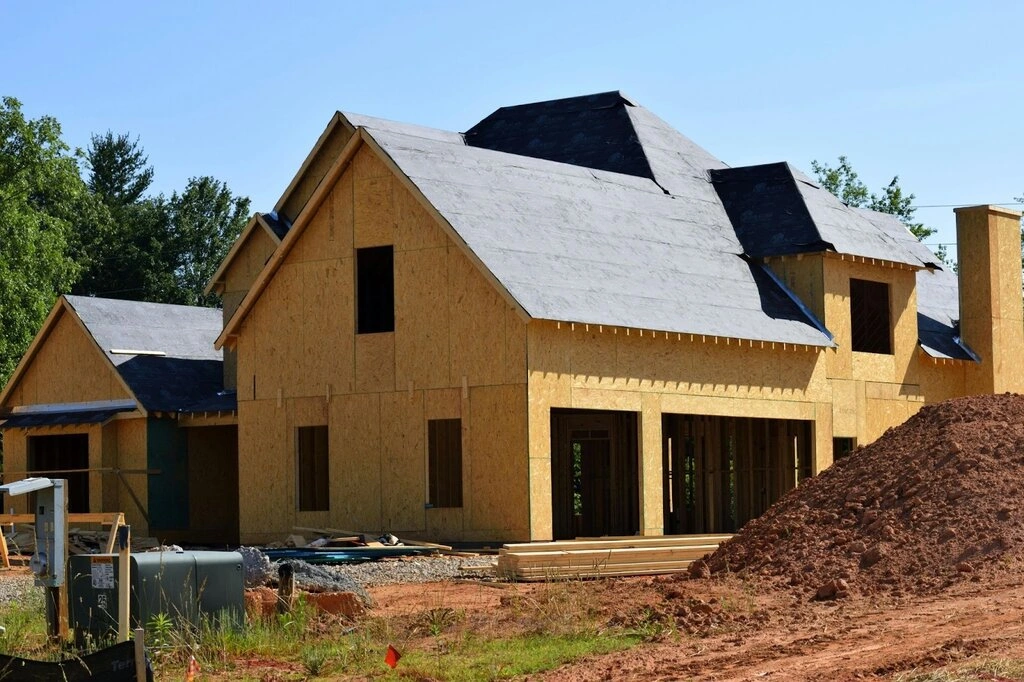

Here’s something most buyers get wrong from the start: picking between new construction vs resale homes has almost nothing to do with your personal style preferences. This decision lives in your spreadsheet, not your Pinterest board. Whether you’re buying your first place, moving up, or building an investment portfolio, you’re standing at a crossroads that will either multiply your equity or quietly drain it for years.
Let’s skip the lifestyle magazine nonsense and focus on what actually grows wealth: cash flow math, appreciation mechanics, risk exposure, and exit flexibility. We’re comparing new construction vs resale, which is better using real data and investment logic, not gut feelings. By the end, you’ll know exactly how to protect your downpayment and turn it into serious returns.
Now that the stakes are clear, let’s build a decision framework that connects your specific situation to the financial levers that truly matter.
Table of Contents
Financing & Negotiation: Incentives vs Price Flexibility (Beyond the Sticker Price)
Park City’s real estate market keeps evolving, with new developments delivering compelling options for buyers chasing ski-in access and contemporary mountain architecture. The region’s expansion includes both luxury communities and established neighborhoods with proven performance records. If you’re weighing opportunities in this market,new homes park city utah blend customization potential with turnkey delivery, and when structured correctly, builder incentives can counterbalance higher initial pricing.
Investment Snapshot: New Construction vs Resale Homes (Fast Decision Framework)
Before your first offer, you need clarity on two things: which buyer category describes you, and which variables will actually impact your bottom line.
Best-fit buyer profiles (choose your lane)
New build buyers? They usually want predictability. Warranties cushion early repair bills, energy efficiency cuts monthly costs, and you dodge most nasty surprises during years one through five. Resale buyers typically hunt for different advantages, established neighborhoods with character, bigger lots, and renovation plays that can push appreciation faster than the broader market.
The 5 investment levers that decide outcomes
Purchase price is just the opening chapter. Your real story unfolds in total cost of ownership: financing terms, builder giveaways versus negotiation leverage, and whether new construction home value appreciation can match forced appreciation from smart renovations.
Then there’s the maintenance curve; new construction dominates early years, but well-maintained resale properties from years 10 to 30 often outperform expectations. Finally, think about your exit strategy, because liquidity swings with market cycles.
Understanding your profile and these five levers opens the door, but the sticker price lies to you constantly. Here’s where the bargain option becomes shockingly expensive once you account for true ownership costs.
Total Cost of Ownership Comparison (Where Cheaper Often Flips)
Reality and perception split hard right here. Consider this jaw-dropper: Average new home price in Ontario consists entirely of taxes. That means over a third of what you’re paying has zero connection to build quality or materials; it’s a pure regulatory cost that won’t boost your resale value proportionally.
True cost worksheet buyers should run (line-item checklist)
Start with the obvious: mortgage, property tax, insurance, and HOA fees. But don’t stop there, it’s a trap. Utilities swing wildly depending on energy efficiency gaps between new and older builds. Maintenance reserves need age-appropriate planning. Resale homes frequently demand immediate capital injections for roofs, HVAC systems, plumbing, and electrical panels. And those finishing touches, landscaping, fencing, window treatments, and appliances, might come bundled with new construction or ambush you as surprise costs in resale transactions.
Utilities & efficiency ROI (new builds’ hidden compounding advantage)
Modern HVAC systems with high SEER ratings, advanced insulation packages, triple-pane windows, proper air sealing, and smart thermostats don’t just feel nice; they cut hundreds from your annual energy spend. Compound that over a 10 or 15-year hold period, and you’re looking at real equity preservation. Better yet, buyers will pay premium prices for homes that deliver comfort without bleeding money every month.
Maintenance risk curve: years 0–5 vs 5–15 vs 15–30
New builds cruise through early years with warranty protection buffering surprises. Resale properties? They reveal their secrets during inspection, deferred maintenance, aging systems, and what industry folks call unknown unknowns. Here’s a stat that matters: reactive maintenance costs 3-10 times more than planned maintenance. Build a capital expenditure calendar for any resale purchase, tracking roof life, water heater age, HVAC replacement timeline, and exterior paint cycles.
Controlling ongoing costs protects your monthly budget, but your real wealth-building leverage comes from strategic appreciation, and the drivers look completely different between new construction and resale. Here’s how to position yourself for maximum value growth regardless of which path you take.
Appreciation & Resale Dynamics (New Construction Home Value Appreciation vs Value-Add Resale)
Appreciation doesn’t just happen. Specific factors drive it, and they vary dramatically between new builds and resale properties.
Appreciation drivers that favor new builds
Today’s buyers want modern open layouts, current energy standards, and turnkey convenience. New community amenities and expanding infrastructure create pricing momentum. And here’s an underrated advantage: when builders raise prices in later phases, your early purchase benefits from rising comps within the same community.
Appreciation drivers that favor resale homes
Limited supply in fully built-out neighborhoods protects pricing power. Larger lots, proven locations, and established school zones reduce uncertainty. Perhaps most important: renovation potential offers forced appreciation through strategic improvements that can outrun passive market trends by a mile.
The comps problem and timing risk (innovative angle competitors miss)
New-build appraisals can stumble early in a community’s life, especially when transaction volume drops. Case in point: new condo sales plummeted 81% year-over-year in some markets, signaling liquidity risk and thin comps data. Resale comps fluctuate wildly in transitional neighborhoods too. Your timing strategy matters enormously, buy early in new communities for maximum upside, or wait for closeout phases if you want pricing certainty. For resale, target pre-gentrification windows before renovation fever peaks and multiples expand.
Market cycle sensitivity (rates up vs rates down scenarios)
When rates climb, new builds gain an advantage through incentives and rate buydowns that preserve affordability. When rates fall, resale markets often explode into bidding wars that compress investor margins to nothing. Compare seller credits versus straight price cuts using break-even analysis to find real savings versus marketing theater.
Smart appreciation positioning sets up long-term gains, but your financing and negotiation choices at closing can instantly add, or vaporize, tens of thousands in potential ROI. Let’s decode which deal structures actually deposit money in your account versus those that just look attractive on paper.
Build Quality, Warranties & Inspections (Risk Management for Investors and Homeowners)
Quality control and risk mitigation separate sophisticated buyers from those who’ll face expensive regrets later.
Warranty reality check: what’s covered and what’s not
Structural coverage, systems protection, and workmanship guarantees vary significantly, and manufacturer warranties often run on separate tracks. Common exclusions blindside uninformed buyers, so document every issue before closing and understand exactly what’s enforceable during warranty periods.
Inspections for new builds (must-do steps many buyers skip)
Pre-drywall walkthroughs, final inspections, and 11-month warranty checks protect your investment. Even brand-new construction should include a sewer scope and drainage assessment; problems can surface from day one, despite everything being new.
Inspections for resale (due diligence stack)
General inspection plus dedicated roof, HVAC, sewer, and foundation specialists (where conditions warrant) form your baseline. Add permit verification and insurance claim history to uncover hidden risks. Use this repair priority sequence: safety hazards, water intrusion, structural concerns, mechanical systems, in that exact order.
Decision Scorecard: New Construction vs Resale, Which Is Better for You?
The right answer depends entirely on your specific circumstances, not generic conventional wisdom.
The 10-question scorecard (assign points; get a recommendation)
Evaluate yourself honestly on the ownership timeline (0–3, 3–7, 7–15+ years), repair risk tolerance, customization needs, available cash reserves, renovation management willingness, location versus features priority, HOA acceptance, interest rate sensitivity, rental income plans, and exit strategy clarity.
Scenario-based recommendations (actionable outcomes)
Relocating within 60–120 days? Resale probably wins. Growing family seeking predictable expenses? New construction often fits better. Investor minimizing maintenance friction? New builds reduce headaches. Buyer targeting renovation upside in premier locations? Resale homes vs new builds tilt toward resale when you can force appreciation through strategic improvements.
Common Mistakes That Reduce Returns (New and Resale)
Even armed with a solid strategy, buyers routinely make avoidable errors that evaporate thousands in potential returns.
New construction pitfalls to avoid
Overpaying for upgrades that won’t appraise, skipping pre-drywall inspections, ignoring lot positioning and drainage patterns, and misunderstanding completion delays coupled with rate lock expiration all damage ROI. Treat every upgrade like an investment asset, not interior decoration.
Resale pitfalls to avoid
Underestimating renovation budgets and timelines, prioritizing cosmetic updates before addressing systems or building envelopes, purchasing properties with unpermitted work, and failing to accurately price insurance and maintenance reserves all lead to buyer’s remorse. Fix systems first, beautify second.
Also Read : How Modern Office Design Impacts Employee Wellbeing and Performance
Your Biggest Questions About New vs Resale, Answered
1. Are new construction homes a good investment during high interest rates?
Absolutely, if builder incentives and rate buydowns offset financing costs and your hold period allows appreciation to compound. Higher rates often force builder concessions that dramatically improve entry pricing.
2. Do new builds appreciate faster than older homes in the same area?
Context determines everything. New construction may appreciate faster when community amenities mature, and builder pricing rises in later phases. Resale homes in built-out areas can appreciate faster due to supply constraints and lot value premiums.
3. Which holds value better over 10 years: new construction vs resale homes?
New builds maintain value when floor plans stay relevant, and efficiency delivers ongoing savings. Resale preserves value when location and lot characteristics dominate buyer preferences. Both can win; your specific market conditions determine the outcome.
Final Thoughts on Your Investment Decision
The choice between new construction vs resale homes isn’t about discovering a universal winner; it’s about alignment between your financial objectives, risk capacity, and investment timeline. Are new construction homes a good investment? Yes, when warranties, efficiency, and cost predictability match your priorities.
Resale wins when location quality, lot size, and renovation upside matter more to your strategy. Use the frameworks and scorecards throughout this guide to model your specific scenario, and remember this truth: the best investment is the one where you control expenses, manage risk intelligently, and position yourself for appreciation regardless of market cycles. Don’t make guesses, run actual numbers, stress-test your assumptions against worst-case scenarios, and choose the path that builds wealth on your terms.

Welcome to World Birds Life, where the wonder of birds takes center stage. My name is Lexi, and I’m passionate about helping you discover the beauty and joy that birds bring into our lives.