
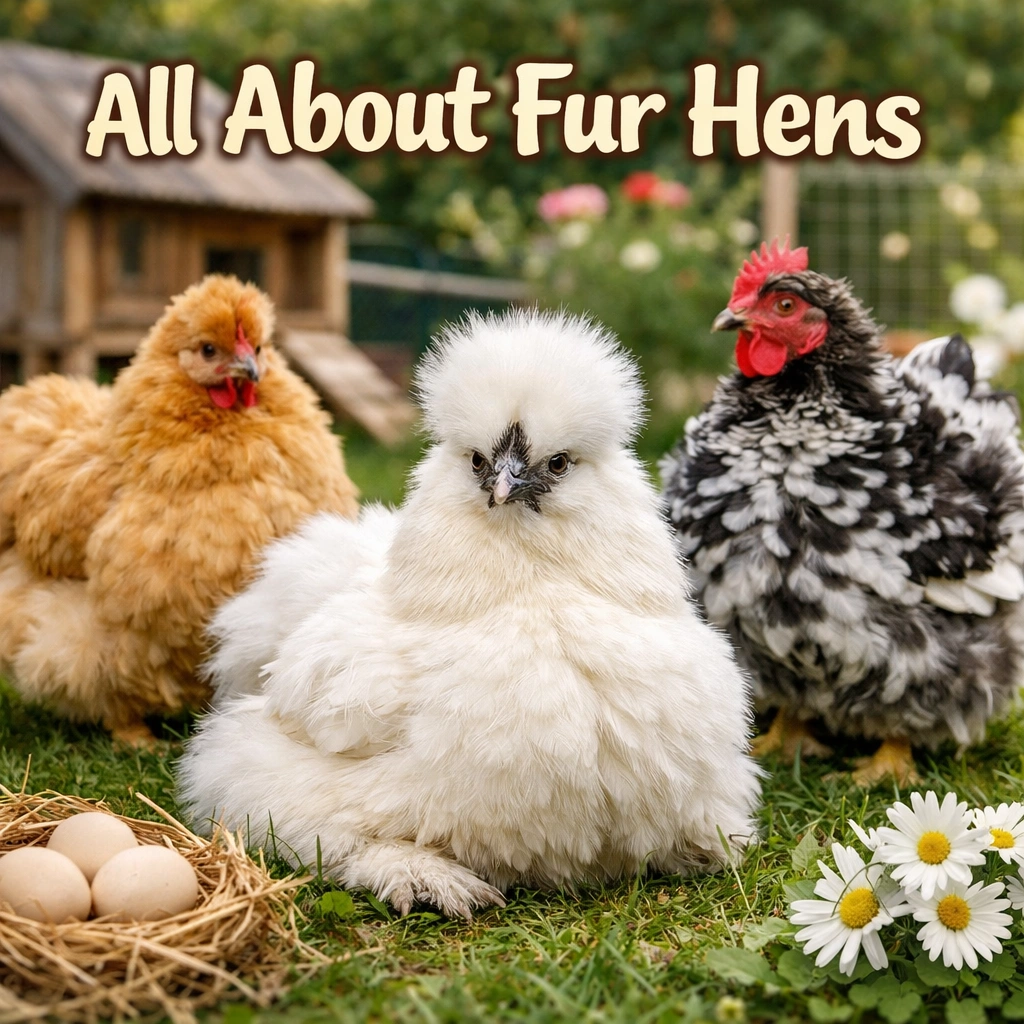

Fur hen is a charming term that many bird lovers use for chickens with unusually soft, fluffy plumage that looks more like fur than typical feathers. On a birds-focused site, this topic fits perfectly because it blends appearance, behavior, and breed curiosity into one fascinating backyard bird story. In 2026, interest in unique domestic birds continues to grow, and the fur hen stands out as one of the most talked-about examples of how unusual and beautiful chicken varieties can be. While the phrase does not refer to an official species name, it is often used for fluffy ornamental hens that have a rounded, cloudlike look and a gentle presence. Their soft texture, calm personality, and eye-catching appearance make them especially appealing to beginners, bird enthusiasts, and small flock keepers who want something beyond an ordinary laying hen. In this guide, we will look at what people mean by fur hen, why these birds look so distinctive, and what makes them such memorable members of a backyard flock.
Table of Contents
What Is a Fur Hen
A fur hen is not a formal bird species or an official breed name. Instead, it is a descriptive phrase people use for certain chickens that have exceptionally soft, fluffy plumage. These birds do not have the sleek, flat feathers most people expect from a standard hen. Their feather structure creates a fuller, fuzzier appearance, which is why many people say they look as if they are covered in fur.
In most cases, the term fur hen is closely associated with Silkie chickens, which are famous for their unusual texture and rounded shape. When people first see one, they often assume it is a decorative bird or even a cross between a chicken and a small fluffy pet. That visual surprise is part of what makes the term so popular. It gives readers and backyard flock owners an easy way to describe a hen that looks different from traditional farm chickens.
The appeal of a fur hen goes beyond looks. These birds are often admired for their calm nature, gentle behavior, and ornamental value. They bring a soft, almost whimsical appearance to a flock, which is one reason they are so often featured on bird websites, backyard poultry blogs, and social media pages focused on unusual birds. While the name may be informal, it has become a memorable way to describe one of the most distinctive types of domestic chicken.
Also Read : Hawks in Florida: Habitats, Diet, and Appearance of Majestic Raptors
Why a Fur Hen Looks More Like Fur Than Feathers
One of the most interesting things about a fur hen is the way its plumage changes the entire look of the bird. A typical chicken has feathers with tiny hook-like structures that hold everything together in a smooth, layered pattern. A fur hen, however, has much looser feathering, which gives the body a soft, fuzzy, almost hair-like appearance. That unusual texture is the main reason people use the word fur in the first place.
This fluffy look creates a rounder outline and makes the bird seem softer and fuller than an ordinary hen. Instead of showing clear feather edges, the body appears covered in a gentle cloud of fluff. On some birds, the head, neck, legs, and even the feet can look especially feathery, adding to the impression that the bird is wearing a coat of fur.
This appearance is not just visually striking. It also affects how people respond to the bird. Many owners see a fur hen as more decorative and more charming than a standard chicken because it has such an unusual presence. On a bird-related site, that visual appeal matters because these hens stand out instantly among more familiar backyard species and breeds. Their fur-like plumage is exactly what turns a simple chicken into a conversation piece.
Also Read : Discover 14 Types of Blue Birds in Florida
Is a Fur Hen a Real Breed or Just a Nickname
The term fur hen is best understood as a nickname rather than an official breed name. You will not usually find it listed the way you would see recognized poultry breeds such as Silkie, Cochin, or Polish. Instead, people use the phrase casually to describe hens that have a very fluffy, soft, fur-like appearance. It is a visual label, not a formal classification.
That distinction is important because many readers assume a fur hen must be a separate breed. In reality, the name is more about how the bird looks than what it is called in poultry standards. Most of the time, the phrase points to chickens with unusually soft feathering, especially birds that appear rounded, puffy, and almost mammal-like from a distance. This is why the name feels memorable and easy for beginners to understand.
For bird enthusiasts, this nickname also reflects how people connect with domestic birds in everyday language. Not every popular bird term comes from official naming systems. Some names grow naturally because they describe a standout feature so well. Fur hen is a good example of that. It helps readers quickly picture a fluffy ornamental chicken, even if the bird itself belongs to a recognized breed under a different name.
Also Read : 8 Bird Species That Look Like American Robins
Common Chicken Breeds People Call a Fur Hen
When people use the term fur hen, they are usually talking about chicken breeds that have especially soft, abundant, or fluffy feathering. These birds stand out because their bodies look rounder and puffier than standard hens, giving them a gentle and ornamental appearance. Even though fur hen is not an official breed name, a few well-known chickens match the look so closely that they are often described this way.
The breed most commonly linked to the fur hen label is the Silkie. Silkies are famous for their soft plumage, which feels very different from the feathers of ordinary chickens. Their fluffy bodies, feathered legs, and rounded shape make them the clearest example of a bird that inspires this nickname. They also have a calm and friendly temperament, which adds to their popularity among backyard bird keepers.
Cochins are another breed that may be called a fur hen because of their full feathering and large, cushioned look. Although their feather texture is not quite the same as a Silkie’s, they still appear soft and heavily feathered, especially around the legs and lower body. Some people also use the phrase for frizzled chickens or other ornamental birds with unusual plumage, but Silkie-type hens remain the closest match. In most cases, the nickname fur hen reflects appearance first and breed identity second.
Fur Hen Temperament and Backyard Personality
One reason the fur hen attracts so much attention is that its personality often matches its soft appearance. Many of the chickens described this way are known for being calm, gentle, and easier to handle than more active or nervous breeds. That makes them especially appealing to bird lovers who want a flock that feels friendly and approachable rather than loud and unpredictable.
In a backyard setting, a fur hen is often seen as a peaceful addition to the group. These birds tend to move in a relaxed way, spend time exploring quietly, and tolerate human attention better than some standard utility breeds. For families, hobby keepers, and anyone who enjoys observing birds up close, that mild nature can be a major advantage. A bird that looks unusual and also behaves gently has strong appeal on both sides.
Their personality also makes them popular on smaller properties where owners want birds for enjoyment as much as for eggs. A fur hen often brings a decorative, almost pet-like quality to the flock. Instead of being valued only for production, it is appreciated for charm, presence, and the way it adds variety to the backyard. That combination of soft looks and steady temperament is a big part of why these hens remain so appealing to bird enthusiasts.
Do Fur Hens Lay Eggs and What to Expect
A fur hen can lay eggs, but it is usually not kept as a top-producing bird. Most hens described by this nickname are valued more for their appearance, gentle temperament, and ornamental charm than for heavy egg output. That means flock owners should expect a more modest laying pattern compared with highly productive backyard breeds.
The exact number of eggs depends on the breed behind the nickname. If the bird is a Silkie, for example, egg production is usually steady but limited, with smaller eggs than those laid by many standard hens. A fur hen may still provide a pleasant bonus for owners who enjoy collecting fresh eggs, but it is not usually chosen as the main layer in a practical egg-focused flock.
This is one reason fur hens appeal to bird enthusiasts and hobby keepers rather than only to people interested in production. Their value comes from the full experience of keeping them. They bring visual interest, a calm presence, and a unique look that makes the flock feel more varied and memorable. So while a fur hen can contribute eggs to the backyard coop, it is best appreciated as a beautiful and unusual bird first, with egg laying as an added benefit rather than the main purpose.
How to Care for a Fur Hen in Different Weather
A fur hen may look soft and delicate, and in many ways it does need a little more attention than a standard chicken when the weather changes. Its fluffy plumage is beautiful, but that same feature can create challenges in wet, windy, or muddy conditions. Because the feathers are often looser and fuller, they may not protect the bird in the same practical way as the tighter feathering seen on more traditional hens.
In rainy weather, a fur hen can become damp more easily, especially if it spends too much time in wet ground or exposed runs. Once the feathers get soaked, the bird may look uncomfortable and struggle to stay warm. That is why a dry coop, covered run, and clean bedding are especially important. Good shelter helps preserve both the bird’s health and the soft appearance that makes it so distinctive.
Cold weather can also be harder on these birds if dampness and drafts are present at the same time. In hot weather, heavy fluff may trap warmth, so shade, airflow, and clean drinking water become essential. A fur hen usually does best in an environment where conditions stay as stable and dry as possible. With the right care, these birds can remain healthy and attractive through changing seasons, but they benefit most from owners who pay close attention to comfort and shelter.
Fur Hen Housing Grooming and Daily Needs
A fur hen does best in a clean, secure living space that protects its soft plumage from moisture, mud, and unnecessary wear. Because these birds are often kept as ornamental or specialty chickens, their housing should support both comfort and cleanliness. A well-ventilated coop with dry bedding is one of the most important daily essentials. The floor should stay clean and as dry as possible so the feathers, especially around the body and feet, do not collect dirt or remain damp for long periods.
Space also matters. A fur hen benefits from enough room to move comfortably without being crowded by more aggressive flock mates. In mixed flocks, gentler birds can sometimes be pushed aside at feeders or in nesting areas, so it helps to make sure the setup allows easy access to food and water. Roosts should be safe and easy to reach, and nesting boxes should be kept fresh to protect both the bird and any eggs it lays.
Grooming needs are usually simple, but regular observation is important. Owners should check feathers for dirt buildup, moisture, and signs of damage. A fur hen does not need constant handling, but it benefits from routine care, clean surroundings, and daily attention to overall condition. In many cases, good management matters more than complicated grooming. When the coop stays dry, the feed is balanced, and the bird is monitored consistently, a fur hen can stay healthy, attractive, and comfortable throughout the year.
Pros and Cons of Keeping a Fur Hen
Keeping a fur hen can be a rewarding experience for bird lovers who enjoy unusual domestic species and want a flock with strong visual appeal. One of the biggest advantages is appearance. These birds stand out immediately because of their soft, fluffy plumage and rounded shape. They bring a decorative quality to a backyard flock that many standard hens simply do not offer. Their calm temperament is another major benefit, especially for people who prefer gentle birds that are pleasant to watch and easier to manage.
A fur hen can also be a great choice for hobby keepers who value personality as much as productivity. These birds often feel more like companion animals than strictly functional livestock. They add variety, spark conversation, and create a more interesting flock for anyone who enjoys observing behavior and feather patterns. For bird-focused websites and backyard enthusiasts, that unique appeal is often the main reason they are so popular.
At the same time, there are a few drawbacks to consider. A fur hen is usually not the best option for heavy egg production, and its fluffy plumage may require extra attention in wet or messy conditions. These birds can need more careful housing, cleaner surroundings, and a little more protection from harsh weather than ordinary hens. For owners who want beauty, gentleness, and something distinctive, the benefits are often worth it, but a fur hen is usually best suited to people who appreciate special care as part of the experience.
Is a Fur Hen Right for Your Backyard Flock
A fur hen can be a wonderful choice for the right backyard setup, especially if you enjoy birds that offer more than simple utility. These hens are often chosen for their appearance, calm personality, and the special character they bring to a flock. If you like ornamental birds, enjoy observing behavior, and want chickens that feel a little more unique than standard backyard layers, a fur hen may be an excellent fit.
This type of bird is often best for owners who are willing to focus on comfort and care rather than maximum egg production. A fur hen usually thrives in a clean, dry environment where its plumage can stay in good condition. It also suits people who appreciate gentle birds and do not mind giving a bit of extra attention to housing, weather protection, and routine observation. For small backyard flocks, that extra effort often feels worthwhile because these birds add beauty and personality every day.
However, a fur hen may not be the ideal option for someone whose main goal is a highly productive egg flock with minimal maintenance. These birds tend to shine most in hobby flocks, family coops, and bird-centered spaces where their charm can really be appreciated. If your goal is to create a backyard flock that feels interesting, friendly, and visually memorable, a fur hen can be a very satisfying addition.
Conclusion
A fur hen is one of those birds that instantly captures attention because it looks so different from the average backyard chicken. With its soft, fluffy plumage, gentle personality, and ornamental appeal, it has earned a special place among bird enthusiasts and small flock keepers. Although the term is informal, it has become a useful and memorable way to describe chickens that seem almost fur-covered at first glance.
For many owners, the appeal of a fur hen goes far beyond appearance. These birds add calm energy, visual charm, and a sense of variety to a flock. They may not be the top choice for heavy egg production, but they offer something equally valuable for people who love birds for their beauty and character. In a time when more backyard keepers are looking for unique and enjoyable birds to raise, the fur hen continues to stand out as a favorite.
FAQ About Fur Hen
What does fur hen mean
Fur hen is an informal term people use for a chicken that has very soft, fluffy plumage. The feathers look so full and fuzzy that the bird appears to be covered in fur instead of ordinary feathers.
Is a fur hen a real chicken breed
Fur hen is not an official breed name. It is more of a nickname based on appearance. In many cases, people use it for fluffy ornamental breeds, especially Silkies and other soft-feathered chickens.
Can a fur hen lay eggs
Yes, a fur hen can lay eggs, but it is usually not kept as a high-production layer. These birds are more often valued for their unusual look, calm personality, and decorative appeal in a backyard flock.
Are fur hens good for beginners
A fur hen can be a good option for beginners who want gentle and interesting birds. However, new keepers should understand that these hens may need cleaner housing and a little more weather protection than standard chickens.
Why does a fur hen look so fluffy
A fur hen looks fluffy because its feather structure is much softer and looser than that of a typical chicken. Instead of lying flat, the plumage creates a puffy, rounded appearance that makes the bird look almost fur-covered.
Is a fur hen good for a small backyard flock
Yes, a fur hen can work very well in a small backyard flock, especially for people who enjoy ornamental birds. Its soft appearance and mild nature make it a popular choice for hobby keepers and families who want birds with personality as well as beauty.

Welcome to World Birds Life, where the wonder of birds takes center stage. My name is Lexi, and I’m passionate about helping you discover the beauty and joy that birds bring into our lives.