
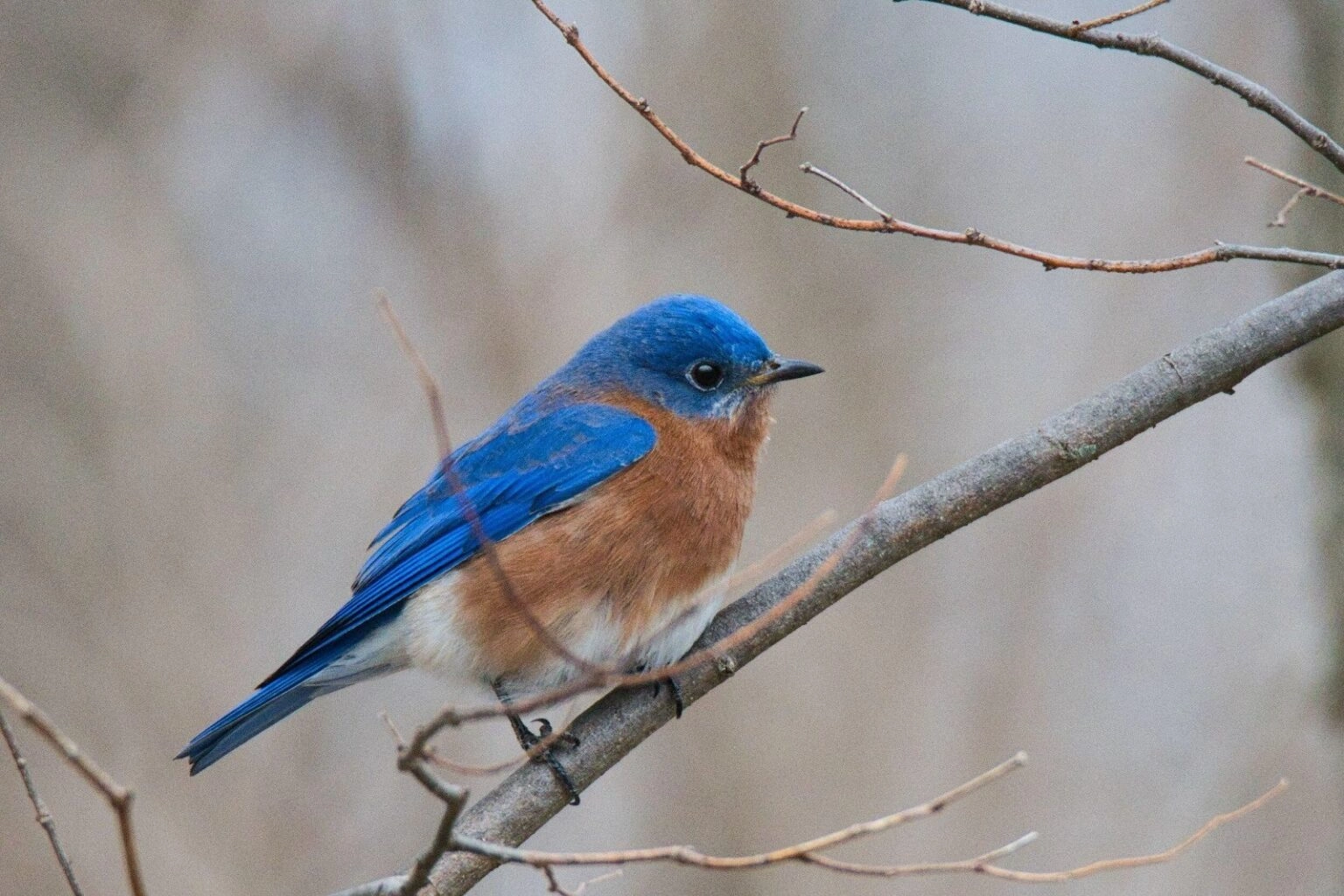

Birds have always captured human attention with their colors, movement, and mystery. From rare desert species to coastal birds that resemble penguins, every bird has a story worth sharing. Today, visual storytelling has become one of the most powerful ways to tell these stories online. Readers do not just want facts anymore. They want to see, feel, and experience nature in a more engaging way. This is where modern video creation plays a key role in helping wildlife-focused websites turn simple visuals into immersive experiences that keep visitors engaged longer.
For a platform that celebrates birds, habitats, and wildlife discoveries, using visual storytelling is a natural next step. Instead of relying only on text and still photos, adding short videos can help explain behavior, migration, and survival in a way that feels alive. This article explores how image-based video storytelling fits perfectly with bird and nature content, and how a smart video creation approach can support educational goals without large budgets or complex setups.
Table of Contents
Why visual storytelling matters for bird and wildlife content
Bird-related content is deeply visual by nature. Readers want to see wing patterns, feeding habits, and natural environments. While photos are powerful, videos add motion, sound, and flow, helping people understand context better.
A strong visual story helps readers:
- Stay longer on the page
- Understand bird behavior more clearly
- Share content more often on social platforms
- Feel emotionally connected to wildlife
For nature and bird-focused websites, visual storytelling supports education while keeping the experience enjoyable and easy to follow.
How image to video helps explain bird behavior clearly
In the first body paragraph, image to video storytelling becomes especially useful for wildlife education. A sequence of bird photos can be turned into a smooth visual narrative where movement, text, and timing guide the viewer. When this process is supported by invideo, creators can bring still bird images to life without needing a film crew or advanced editing skills. A simple collection of bird visuals can be shaped into a short video that explains nesting habits, feeding routines, or seasonal changes in seconds.
This approach works well for readers who may not read long scientific explanations but still want to learn. The visual flow keeps attention while delivering useful knowledge in a calm and natural way.
Why ai video apps are becoming popular in nature storytelling
In the second paragraph of the body, ai video apps play a growing role in wildlife content creation. These tools help transform visual material into engaging videos quickly, which is helpful for content teams working with limited time or resources. Instead of spending weeks editing, creators can focus on storytelling and accuracy while the video process stays simple and efficient.
For bird-focused platforms, this means more frequent updates, better visual explanations, and stronger engagement across articles, guides, and educational posts.
What kind of bird stories work best in video format
Not every topic needs a video, but many bird-related themes benefit greatly from motion-based storytelling.
Some examples include:
- Migration journeys across regions
- Birds adapting to desert or coastal habitats
- Differences between similar-looking species
- Feeding and nesting behavior over time
These topics become easier to understand when images are arranged into a clear visual flow that guides the viewer step by step.
How videos improve learning for wildlife readers
The fifth paragraph of the body focuses on learning impact. Research around visual learning and nature education shows that people remember more when information is paired with visuals. This is why topics related to birdwatching often perform better when supported by video-based explanations. According to Wikipedia’s birdwatching, observation and visual identification play a central role in how people learn about birds.
By adding short, informative videos to articles, wildlife platforms can support beginners who are learning to identify species while also giving experienced readers a richer experience.
Using videos to explain rare and unusual bird species
In the sixth body paragraph, video storytelling becomes especially helpful for rare or unusual birds. Some species look similar to others, which often confuses readers. For example, about birds that look like penguins can benefit from visual explanations that highlight posture, coloring, and habitat differences.
From an educational point of view, this aligns well with concepts explained in Wikipedia’s article on visual perception, where seeing movement and contrast helps the brain process details more accurately. A short video made from images can clearly show why certain birds resemble penguins and how they differ in behavior and environment.
Why habitat-based bird content gains more engagement with video
Bird habitats tell powerful stories. Deserts, wetlands, forests, and coastlines all shape how birds survive and adapt. When articles include visual storytelling, readers get a stronger sense of place.
Videos help show:
- Climate conditions
- Natural surroundings
- Survival techniques
- Seasonal changes
This makes educational content feel more real and relatable, especially for readers who may never visit these habitats in person.
Making desert bird content more engaging for readers
The eighth paragraph of the body connects video storytelling with desert wildlife. Articles about birds found in Arizona desert can become more engaging when images are presented as short videos that show heat, landscape, and movement together. Desert environments are harsh, and video helps explain how birds adapt to limited water and extreme temperatures.
This visual approach supports storytelling without overwhelming readers with technical language or long explanations.
How visual content supports website growth and trust
From an SEO perspective, video-supported articles often perform better because users stay longer and interact more. Search engines notice this behavior. For a bird and wildlife website, adding helpful videos can improve:
- Time on page
- User engagement
- Content sharing
- Overall trust
When visuals are used responsibly and educationally, they strengthen the site’s authority without distracting from its mission.
Keeping wildlife storytelling simple and respectful
Visual storytelling must stay true to nature. Videos should support facts, not exaggerate them. Using real images, clear captions, and smooth transitions helps maintain credibility. The goal is to educate and inspire, not to overproduce or distract.
This balance is especially important for bird-focused platforms that value accuracy and respect for wildlife.
How modern video creation fits naturally into bird education
Video creation today is no longer limited to professionals with expensive equipment. A thoughtful approach allows wildlife platforms to turn existing images into meaningful stories. This helps readers understand birds better while keeping content easy to consume.
When used correctly, video becomes an extension of written content rather than a replacement. It supports learning, improves clarity, and makes nature stories more memorable.
Conclusion: turning bird knowledge into living stories
Birds deserve to be seen, understood, and appreciated. For wildlife and bird-focused websites, visual storytelling offers a powerful way to bring educational content closer to readers. By turning carefully selected images into short, informative videos, platforms can explain complex behaviors, highlight unique species, and showcase habitats in a way that feels natural and engaging.
This approach helps readers connect emotionally with birds while also improving how information is shared and remembered. With simple video creation methods now available, nature storytelling can move beyond static pages and become a living experience that truly reflects the beauty of the natural world.

Welcome to World Birds Life, where the wonder of birds takes center stage. My name is Lexi, and I’m passionate about helping you discover the beauty and joy that birds bring into our lives.