
Pink Birds in Florida: Native Species, Visitors and Identification
Quick answer: The Roseate Spoonbill is Florida’s most reliable truly pink wild bird. American Flamingos are native to Florida but are very local and uncommon; most modern wild observations are concentrated in the Everglades, Biscayne Bay and the Florida Keys. Several songbirds can show rose or raspberry tones during migration or winter, but exotic parrots and pigeons from Asia or Australia should not be presented as normal Florida wild birds.
| Bird | Florida status | Pink field mark |
|---|---|---|
| Roseate Spoonbill | Native; regular in suitable wetlands, especially southern/coastal Florida | Pale to bright pink body and wings; spoon-shaped bill |
| American Flamingo | Native but very local and uncommon | Hot pink body, very long legs and bent bill |
| Rose-breasted Grosbeak | Migrant | Adult male has a rose-red breast patch |
| Purple Finch | Irregular/winter visitor in parts of the state | Adult male has raspberry-red wash |
| House Finch | Established locally; more common in developed areas | Male can show rosy red on head and chest |
Important: Scarlet Ibis, Pink-necked Green Pigeon, Pink Cockatoo, Galah and Pink-headed Fruit Dove are not normal wild Florida species. They are separated below so readers do not mistake captive escapes or unsupported reports for regular Florida birdlife.
Pink Birds and Pink-Toned Birds You May Encounter in Florida
1. Roseate Spoonbill (Platalea ajaja)

The Roseate Spoonbill is a true artist of Florida’s wetlands, painting the marshes pink with its vibrant feathers. Its stunning color comes from a diet rich in carotenoids, giving its plumage a striking pink hue that is impossible to ignore.
Roseate Spoonbills at Cedar Key Museum are a notable sight, showcasing the beauty of these unique birds in their natural habitat.
Unique Spoon-Shaped Beak
With a beak shaped like a flat spoon, this bird is perfectly equipped for wading through shallow waters. It uses this unique tool to sweep for small fish and crustaceans, making feeding time as fascinating as it is effective.
Social and Picturesque
These social birds are often seen in flocks, creating a picture-perfect scene against the lush green mangroves. Their graceful movements and vivid appearance make them a favorite among birdwatchers and photographers.
A Natural Masterpiece
Whether gliding through the sky or resting peacefully in the wetlands, the Roseate Spoonbill embodies the elegance and beauty of Florida’s marshy landscapes.
2. American Flamingo (Phoenicopterus ruber)

The American Flamingo is an icon of beauty and grace, instantly recognizable by its long legs, curved neck, and coral-pink feathers. While famously associated with tropical vibes, these stunning birds occasionally grace Florida’s waters with their presence, particularly in the Everglades and Keys.
Coloration and Diet
Their signature pink hue comes from a diet rich in brine shrimp and algae.
Social Behavior
Flamingos are social birds, often gathering in flocks that create a dazzling display of synchronized movement.
Sightings and Appeal
Watching them wade in shallow waters or take flight is a mesmerizing experience. Beyond their beauty, birds pretty in pink symbolize Florida’s exotic charm and remain a favorite sight for bird enthusiasts.
Scarlet Ibis — Not a Regular Wild Florida Species

The Scarlet Ibis is a striking spectacle, dazzling anyone who sees it with its fiery red feathers that seem to glow like embers in the sunlight. Its vibrant color is a true feast for the eyes, making it one of the most breathtaking birds to encounter.
Occasional Florida Visitor
Scarlet Ibis is native to tropical South America and the Caribbean and is not a regular wild Florida species. It should not be listed as a normal Florida sighting; any report needs careful documentation because captive or escaped birds can occur.
Foraging with Elegance
With their long, curved beaks, Scarlet Ibises are experts at foraging in muddy waters for crustaceans. Their diet contributes to their signature red hue, which sets them apart from other wetland birds.
A Rare Delight
Often seen in groups, these birds exude elegance whether perched in trees or soaring through the skies. Their rarity in Florida makes spotting one an unforgettable experience, earning them the title of a fiery gem in Florida’s avian crown.
4. Rose-Breasted Grosbeak (Pheucticus ludovicianus)

The Rose-Breasted Grosbeak is a true charmer, captivating bird enthusiasts with its striking plumage of black, white, and pink. Its rosy chest patch resembles a splash of watercolor, adding an artistic touch to its sleek appearance.
Seasonal Visitor to Florida
As a migratory bird, the Grosbeak graces Florida’s gardens and woodlands during its journey, bringing a delightful burst of color and song to the landscape. Its presence is a seasonal treat for birdwatchers.
A Songbird Extraordinaire
The male Rose-Breasted Grosbeak is known for its cheerful, melodic whistles that echo through the trees, often making it easier to hear than see. Even when hidden, its song guides bird lovers to its perch.
Distinctive Yet Subtle Females
While females lack the bold pink chest patch, their intricate brown and white patterns are equally captivating. They add a subtle elegance to the species’ overall charm.
A Backyard Favorite
Frequent visitors to feeders, these birds enjoy munching on seeds, offering a close-up view for birdwatchers. Their approachable demeanor makes them a favorite in Florida’s backyard birdwatching community.
Pink-necked Green Pigeon — Not a Regular Wild Florida Species

A Pastel Vision
The Pink-Necked Green Pigeon is a stunning blend of soft pastels, with a pink neck fading gracefully into green wings. Its appearance is reminiscent of a spring garden brought to life.
An Exotic Visitor
The Pink-necked Green Pigeon is native to Southeast Asia and is not part of Florida’s regular wild avifauna. It should not be presented as a Florida bird; an isolated captive escape would not make it an established wild species.
Fruit-Loving Forager
These pigeons are avid fruit lovers, often perched in treetops enjoying berries. Their diet and gentle cooing add a serene charm to their surroundings.
A Hidden Treasure
Social yet elusive, spotting a Pink-Necked Green Pigeon feels like discovering a rare gem in Florida’s wild landscapes.
6.Purple Finch

The Purple Finch is like a little jewel in the trees, bringing a pop of raspberry-pink to Florida’s landscapes. Despite its name, it’s not entirely purple but instead wears a blend of stunning pink feathers that shimmer beautifully in sunlight.
Fashionable Feathers
Male Purple Finches flaunt their vibrant pink plumage like a stylish coat, while the females sport subtler, streaky brown patterns. Their understated elegance helps them blend seamlessly into their natural surroundings.
Feeder Favorites
These petite songbirds are frequent guests at feeders, delighting birdwatchers as they snack on sunflower seeds and berries. Their friendly and approachable nature adds to their charm.
A Sweet Treasure
Spotting a Purple Finch is like finding a tiny treasure in Florida’s avian world. Their cheerful chirping and playful presence make them a delightful addition to any birdwatching experience.
Pink Cockatoo — Captive/Escape Context, Not a Regular Wild Florida Species

A Flamboyant Showstopper
The Pink Cockatoo dazzles with its pink and white plumage and a flamboyant crest of pink, orange, and yellow that flares when it’s excited or curious.
An Exotic Treat
The Pink Cockatoo is native to Australia and is not a regular wild Florida species. Captive escapes are possible, but escaped pets should not be presented as part of Florida’s normal birdlife.
Playful and Intelligent
Known for their affectionate and intelligent nature, Pink Cockatoos are mimics and playful companions, making sightings in the wild truly memorable.
Galah — Captive/Escape Context, Not a Regular Wild Florida Species
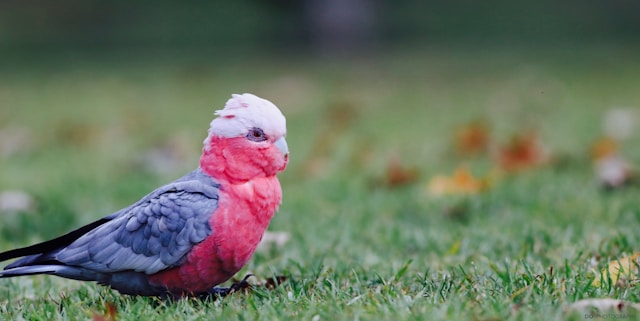
The Galah, also called the Rose-Breasted Cockatoo, is a striking parrot with a bubblegum-pink chest and soft gray wings. Its bold colors make it an instant standout in any landscape.
An Australian Visitor to Florida
Galahs are native to Australia and are not part of Florida’s regular wild avifauna. An escaped captive bird may occasionally be reported, but that should not be described as a normal Florida occurrence.
Cheeky and Social by Nature
Galahs are known for their outgoing and playful personality. They’re the life of any avian gathering, often chattering or mimicking sounds with impressive skill.
A Burst of Festive Energy
With their carnival-like appearance and lively antics, Galahs bring joy and laughter wherever they’re spotted. They’re a true delight in Florida’s birding scene.
Pink-headed Fruit Dove — Captive/Escape Context, Not a Regular Wild Florida Species

A Tropical Painting
The Pink-Headed Fruit Dove looks like it belongs in an art gallery, with a vibrant pink head contrasting vividly against its green wings.
Rare and Serene
Pink-headed Fruit Doves are native to Indonesia and are not regular wild birds in Florida. Captive escapes do not make this species part of Florida’s normal avifauna.
A Peaceful Presence
With its soft cooing and fruit-heavy diet, this dove adds tranquility and beauty to its surroundings, delighting any bird enthusiast lucky enough to find it.
10. House Finch

The House Finch is a delightful songbird, with males easily recognized by their rosy-red head, chest, and rump, which bring vibrant color to Florida’s backyards and urban spaces.
Subtle Beauty in Females
While females lack the bold red hues, their streaky brown plumage adds a touch of understated elegance, allowing them to blend harmoniously with their surroundings.
Frequent Feeder Visitors
Social and friendly, House Finches often visit feeders, eagerly munching on sunflower seeds and fruits, making them a favorite among bird enthusiasts.
Melodic Songsters
Known for their cheerful chirping, House Finches fill the air with melodic tunes, adding life and joy to any environment.
Urban Adaptability
These adaptable birds thrive in urban and suburban settings, often nesting in eaves or trees. Spotting a House Finch feels like discovering a pocket-sized burst of sunshine!
Tips for Birdwatching Pink Birds in Florida
- Visit the Right Locations:
- The Everglades, Merritt Island, and Big Cypress National Preserve are hotspots.
- Coastal areas and freshwater wetlands offer ample opportunities.
- Time Your Visits:
- Early mornings and late afternoons are the best times for birdwatching.
- Winter and spring migrations bring many species to Florida.
- Carry the Right Gear:
- A good pair of binoculars and a camera with a zoom lens are essential.
- Use a bird identification guide or app to track sightings.
- Respect Their Habitat:
- Avoid disturbing birds or their nests.
- Stay on designated trails and follow local guidelines.
Authoritative References
- Florida FWC — Roseate Spoonbill
- Florida FWC — American Flamingo
- Cornell Lab — Roseate Spoonbill identification
Conclusion
Florida’s pink birds offer a kaleidoscope of beauty and charm, enriching the state’s already vibrant biodiversity. From the reliable Roseate Spoonbill to the much more local American Flamingo, each species adds a unique touch to the landscape. Whether you’re a seasoned birder or a casual nature lover, exploring these avian wonders is an experience you’ll never forget. So grab your binoculars, head to Florida’s wetlands, and prepare to be mesmerized by the blush-toned treasures of the Sunshine State.

Lexi edits World Birds Life bird-identification and location guides using authoritative references such as the Cornell Lab of Ornithology, eBird, the U.S. Fish and Wildlife Service, and state wildlife agencies. Updated guides check species status, range, habitat, and look-alike differences where relevant.