
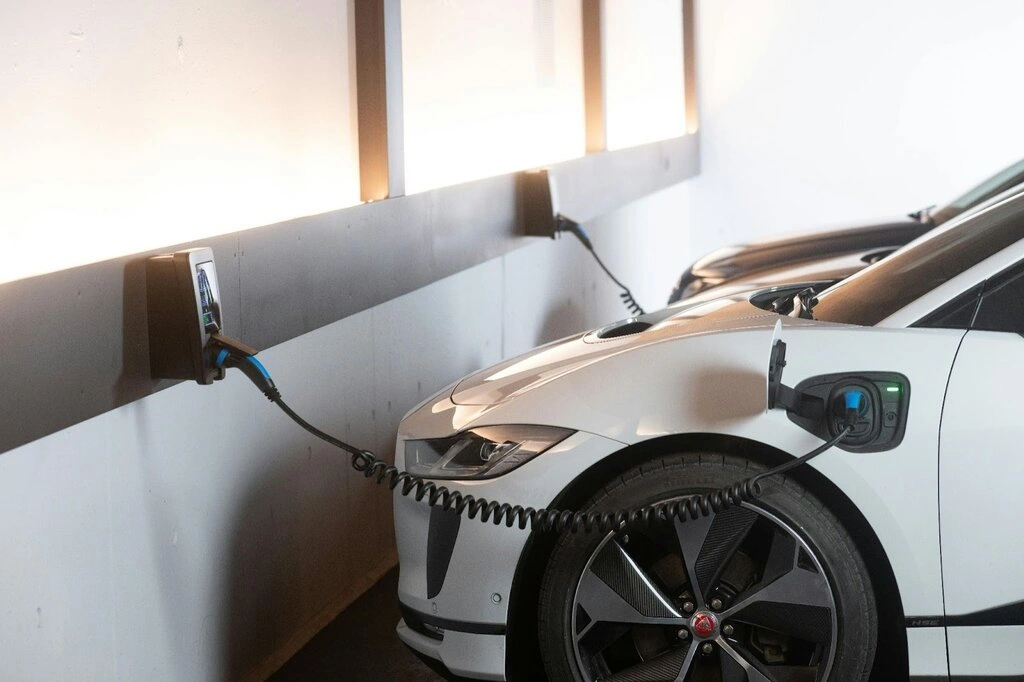
How EV Dealers Are Changing the Future of Car Buying
Buying a car used to follow a simple script. Walk in, test drive, talk price, sign papers. Electric vehicles have changed that. Now you also need to think about charging, battery range, home setup, and long-term costs. That’s why choosing the right EV dealership matters more than ever. The best dealers don’t just sell cars, they explain how EV life really works and help you feel ready from day one. In this guide, you’ll learn how to spot a dealer who knows their stuff, avoid common mistakes, and get the most value whether you’re buying new or used.
Table of Contents
Used EV Dealers Changing the Game for Affordability and Access
While new-car dealerships have adapted quickly, the used EV market offers unique opportunities, and risks, that demand a specialized approach.
Best practices when shopping with used ev dealers
When you’re working with used ev dealers, prioritize requesting documents that confirm the car’s condition and ownership history before negotiations advance too far. Ask for battery health summaries, complete service history, recall status, and software update logs. Confirm what’s included: Level 1 and Level 2 cables, adapters, and mobile connector compatibility. When EV dealers provide this information proactively, the entire buying process feels clearer and significantly more trustworthy.
Pre-owned EV value checklist (fast, practical screening)
Armed with inspection knowledge, your next decision is whether certified programs justify their premium over independent specialists. Compare current range at 100% versus original EPA estimates. Check tire wear, EVs deliver brutal instant torque, and brake condition, which should be excellent thanks to regenerative braking. Test DC fast-charging behavior and watch for thermal throttling during extended charging sessions.
Certified pre-owned EV programs vs independent used ev dealers
Certified programs deliver warranty depth and rigorous inspections. Independent used ev dealers often compete with lower prices and broader model selection, though you may need to verify details more carefully yourself.When independents specialize in EVs, they frequently provide expertise rivaling certified programs. Balance price against warranty coverage based on your budget and comfort with risk.
The New EV Dealership Model Reshaping Electric Car Buying
Grasping this transformation starts with seeing how forward-thinking dealers are reimagining every step, from your first question to the moment you drive away.
From inventory push to education-led retail (EV learning as a core product)
Remember when dealers just pushed whatever was collecting dust on the lot? Those days are dying fast. Smart dealers now open with questions about your life: daily commute, where you park overnight, charging station access. They’ll walk you through regenerative braking basics, decode what Level 2 charging actually means, and explain why battery preconditioning matters when it’s freezing outside.
Test drives have evolved, too, except routes designed to showcase real-world range, highway efficiency, and even pit stops at public chargers. This consultative style makes electric car buying feel less like stepping into the unknown.
Omnichannel upgrades (online reservation → in-store delivery → app-based ownership)
Education builds the foundation, but you also want control over how and where you complete the purchase. Remote paperwork? Check. E-signatures and delivery scheduling from your couch? Done. Some dealers now broadcast live video tours and battery deep-dives for remote shoppers. Reserve online, handle final details in person, then manage everything through an app. It’s a smoother experience than the old-school lot circus ever provided.
Experience centers replacing showrooms (charging demos, home energy tie-ins)
Digital tools are great, yet nothing beats hands-on charging demos and real-world proof. Leading dealers install on-site chargers so you can test charge before committing. Some team up with home charger installers and solar companies to simplify your transition. These experience hubs prioritize confidence-building over aggressive sales tactics, offering tangible demonstrations that stick with you long after you leave.
Electric Vehicle Sales Are Moving From Price Wars to Trust and Transparency
Streamlined processes inspire confidence, but lasting trust requires dealers to demonstrate value beyond sticker price through honest cost-of-ownership data and battery transparency.
EV price confidence: market-based pricing + cost-of-ownership proof
Total cost projections matter, but for used EVs especially, battery condition has emerged as the critical metric eclipsing traditional mileage obsessions. Dealers who provide fuel-versus-electricity breakdowns, maintenance timelines, and depreciation insights help you see the complete financial landscape. Transparent electricity cost assumptions, home charging versus public DC fast charging, eliminate guesswork. When electric vehicle sales teams show total ownership costs instead of just monthly payments, you make sharper decisions.
Battery health transparency becoming the new mileage
Transparency around battery health only matters when backed by clear, enforceable warranty terms you actually understand. Battery health reports should include state-of-health percentages, degradation indicators, and fast-charge history when available. A standardized disclosure checklist should spell out what you need before signing anything. For used EVs, battery condition trumps odometer readings every time.
EV warranties and coverage explained in plain language
Battery warranties differ dramatically from bumper-to-bumper coverage. Dealers should explain exactly what’s covered, the duration, and any conditions. Certified pre-owned EV programs should include high-voltage inspections, software diagnostics, and charging system verification. When warranties get explained in everyday language, you’ll feel genuinely confident about long-term ownership.
Dealer Innovation That Competitors Missed (Trends Defining the Next 24 Months)
While trust and transparency establish credibility, visionary dealers are deploying emerging technologies and business models that competitors haven’t recognized yet.
AI-guided EV matching (driving patterns → best EV + charging plan)
Intelligent matching tools help you choose the right EV, but innovative dealers are sweetening deals by bundling the infrastructure you’ll need most. Feed in your commute distance, local climate, parking situation, and towing requirements. The system recommends optimal range, charging speeds, and even home charger specs. Machine-learning platforms match buyers to lenders based on risk profiles and incentive eligibility, slashing approval times from hours to minutes. It‘spersonalized guidance at scale.
Charging-as-a-benefit bundles replacing old dealer add-ons
Beyond charging perks, some dealers are attacking adoption hesitation directly with flexible ownership models that ease long-term commitment anxiety. Instead of useless paint protection packages, dealers now offer home charger credits, discounted public charging memberships, or complete installation bundles. Fleet-style charging plans are even reaching retail customers. These packages address genuine ownership needs instead of padding dealer profit.
EV subscription options and flexible ownership models
Flexible ownership tackles financial concerns, but EVs also demand ongoing software support that traditional dealers weren’t equipped to handle. Short-term subscriptions, lease-to-own arrangements, and buyback guarantees reduce adoption fear. Seasonal needs and technology refresh cycles make flexible models increasingly attractive. When dealers offer these alternatives, they lower the entry barrier substantially.
Software-first support (OTA updates, feature unlocks, paid upgrades)
Dealers now educate buyers on software capabilities, activate functions, and troubleshoot issues.
Pre-delivery checklists verify infotainment systems, driver assist calibration, and app pairing. Over-the-air updates are woven into the ownership experience, and dealers who grasp this reality stay relevant long-term.
Also Read : How Hands-On Experience and Global Services Shape the Next Generation of Chiropractors
Buyer Playbook: Choosing the Right EV Dealership (New or Used)
These innovations sound exciting, but they only matter if you can identify which dealers actually deliver, here’s your filtering framework.
EV-specific credibility signals (beyond standard dealer reviews)
Credible dealers earn your attention, but the specific inventory they maintain reveals whether their EV expertise is authentic or performative. Seek out EV-trained staff, on-site EV technicians, and high-voltage service certification. On-site charging infrastructure and meaningful delivery orientation time also signal commitment. These markers show whether a dealer truly supports EV ownership beyond the sale.
Inventory quality markers buyers should filter for
Knowing what to look for is half the challenge; equally crucial is recognizing red flags that should send you elsewhere immediately. Verify charging port standards and adapter availability. Confirm fast-charging capability and thermal management systems. In cold climates, inquire about heat pumps and battery preconditioning features. These details affect your daily usability in profound ways.
Deal-breakers to avoid during electric car buying
Missing charging equipment, vague battery warranty status, and range estimates without context are serious red flags. Non-transparent fees and ambiguous return policies should send you running. Don’t tolerate dealers who fumble basic EV questions or withhold documentation upfront.
Financing and Trade-Ins at EV Dealerships (Built for Electric Vehicle Sales)
Once you’ve pinpointed the right dealer and vehicle, smart financing and trade-in tactics can save thousands, or cost you dearly if mishandled.
EV financing differences that affect monthly cost
Securing favorable loan terms is essential, but maximizing your trade-in value, whether ICE or EV, requires different strategies than you’re used to. APR versus incentive tradeoffs carry real weight. Lease residuals and insurance costs vary significantly for EVs. Some dealers roll charger installation into financing, simplifying budgeting. Understand the complete cost picture before signing anything.
Trade-in strategy: ICE-to-EV and EV-to-EV
Optimizing both transaction sides matters little if you can’t compare true lifetime costs between different EVs and financing scenarios. Maximize trade-in value through proper timing, light reconditioning, and including charging accessories. Stay aware of equity rollover risks when transitioning from ICE to EV. Strategic trade-in planning improves your overall deal.
Cost clarity tools dealers should provide (and buyers should ask for)
Dealers should furnish itemized energy-cost worksheets, charging plan comparisons, and maintenance schedule breakdowns. These tools illuminate what ownership genuinely costs. Request them before signing, and leverage them to compare different vehicles and financing scenarios side by side.
EV Ownership Support Becoming the Real Differentiator for EV Dealerships
Financial terms close deals, but superior post-purchase support determines whether you’ll become an EV evangelist or a regretful buyer nursing remorse.
Post-sale onboarding that reduces regret and returns
Comprehensive delivery orientation prevents early frustrations, but ongoing service quality sustains satisfaction throughout your ownership journey. A 60-minute delivery checklist should cover charging setup, app pairing, route planner configuration, and charging etiquette basics. First-week follow-ups confirm home charging functions properly and walk you through public charging navigation. This approach dramatically reduces buyer’s remorse.
Service experience evolution (fewer visits, different expertise)
Reliable service handles the technical requirements, yet the best dealers build communities that transform customers into educated, loyal enthusiasts. EVs need minimal service: tires, cabin filters, brake fluid, and coolant in certain models. High-voltage safety protocols and diagnostic capabilities are non-negotiable. Dealers who invest in EV-specific service training retain customers far longer.
Community and retention loops (events, charging clinics, owner groups)
EV 101 workshops, winter range clinics, and towing or road-trip planning sessions build genuine loyalty. These gatherings help newcomers learn from seasoned owners. Dealers who cultivate community become more than transaction points, they evolve into long-term partners you actually trust.
Decision Guide: The Best Route to Buy an Electric Vehicle in 2026
You now understand the landscape, let’s synthesize everything into clear pathways based on your specific situation and priorities.
Best-fit pathways by buyer type
Knowing your buyer profile narrows options fast, but a final side-by-side comparison of buying channels ensures you choose the optimal route. Apartment dwellers need robust public charging plans and workplace charging assessments. Road-trippers prioritize charging speed and network coverage density. Families focus on interior space, safety technology, and home charging readiness. Budget buyers hunt for used EV sweet spots with solid warranty coverage.
Quick comparison: direct-to-consumer vs EV dealerships vs used ev dealers
Direct-to-consumer offers pricing transparency and streamlined delivery but limited test drive access. EV dealerships provide hands-on education, trade-in convenience, and local service infrastructure. used ev dealers can be an excellent fit for shoppers prioritizing affordability and variety, but they also demand extra diligence around battery health and warranty clarity. Each channel has distinct strengths depending on your priorities and circumstances.
Your EV Buying Questions Answered
1. Which EV dealerships offer the best electric car buying experience for first-time buyers?
Seek dealers with EV-trained staff, on-site charging infrastructure, and dedicated delivery orientation programs. First-time buyers benefit most from consultative guidance and robust post-sale support.
2. How do I find an EV car dealer near me that supports home charger installation?
Search dealer websites for partnerships with charger installers or energy providers. Call ahead to confirm whether installation support comes included or available as an add-on service.
3. Should I buy an electric vehicle from a dealership or order online from the manufacturer?
Dealerships offer trade-in convenience and local service access. Direct-from-manufacturer ordering provides pricing transparency and streamlined delivery. Choose based on your specific priorities.

Lexi edits World Birds Life bird-identification and location guides using authoritative references such as the Cornell Lab of Ornithology, eBird, the U.S. Fish and Wildlife Service, and state wildlife agencies. Updated guides check species status, range, habitat, and look-alike differences where relevant.