How Modern Office Design Impacts Employee Wellbeing and Performance
Here’s something most business leaders overlook: your office isn’t just a backdrop. It actively shapes cognition, emotional state, and output quality every single day. Bad layouts sap energy. Smart ones? They fundamentally change how work feels. Consider the sheer volume of hours your people log in these environments—the design stakes couldn’t be higher. When you nail it, you’re looking at teams that feel better, stay longer, and consistently outperform expectations. What separates draining spaces from energizing ones usually boils down to deliberate choices affecting both body and mind.
Table of Contents
The Hidden Cost of Outdated Office Spaces
Here’s the uncomfortable truth: most companies don’t connect the dots between their workspace and performance problems until they’re staring at turnover numbers or productivity declines.
Physical Health Takes the Biggest Hit
Look at the numbers from the Health and Safety Executive. In 2022/23 alone,1.8 million workers across Great Britain reported work-related ill health, with musculoskeletal disorders ranking among the top culprits—responsible for 6.6 million lost workdays that year. What’s driving this? Traditional office setups loaded with static desks and terrible ergonomics. Back problems. Neck tension. Repetitive strain. These aren’t just employee problems—they’re bleeding your budget dry.
Mental Wellbeing Suffers in Poorly Designed Environments
Employee wellbeing isn’t only about comfortable chairs. It encompasses psychological safety, stress reduction, and cognitive space. Picture this: open floor plans with zero acoustic refuge trigger genuine anxiety and mental fatigue. Those buzzing fluorescent tubes overhead? They mess with circadian biology, dragging down mood and sleep architecture. When someone can’t grab privacy for concentration or a sensitive phone call, cortisol rises. These psychological costs accumulate silently, manifesting as burnout and checked-out employees that no ping-pong table will rescue.
Rethinking Your Space Investment
Companies routinely throw money at software and hardware while their physical environment languishes in 1990s limbo. For many teams, acommercial office remodel is the most direct way to fix systemic design issues that technology alone can’t address, transforming how people collaborate and concentrate. Forward-thinking organizations frame workspace enhancements as strategic plays, not decorative spending—understanding that environment multiplies the effectiveness of everything else you’re trying to accomplish.
Core Design Elements That Drive Performance
Modern office design has nothing to do with chasing trends. It’s about implementing what genuinely supports human cognitive and physical function.
Natural Light Makes a Measurable Difference
Daylight does far more than illuminate desks. It synchronizes circadian machinery—the internal clocks governing sleep architecture, alertness curves, and emotional regulation. Workers positioned near windows consistently report superior sleep and reduced headache frequency. No windows available? Tunable LED systems that adjust color temperature across the day offer comparable benefits. The office productivity gains manifest as accelerated task completion and decreased absenteeism.
Air Quality You Can’t See But Definitely Feel
Proper ventilation sounds boring until you realize how many sealed buildings trap rising CO2 concentrations that make everyone sluggish and foggy. Contemporary HVAC with effective filtration strips out pollutants and allergens that aggravate respiratory systems. Some workplaces deploy plants as living air filters, which conveniently brings us to another critical factor.
Bringing Nature Indoors Changes Everything
The data on biophilic design is striking: it’s been associated with a 15 per cent boost in wellbeing, six per cent greater productivity, 15 per cent higher creativity, reduced negative emotions and stress, enhanced cognitive functioning, and improved employee engagement, retention and productivity. Even modest interventions—potted greenery, exposed wood surfaces, small water elements—activate our hardwired affinity for natural environments. These features demonstrably lower stress hormones, generating calmer atmospheres conducive to clear thinking.
Activity-Based Zones Support Different Work Modes
One-size-fits-all layouts fail because different cognitive tasks demand radically different environmental conditions. Flexible zones outperform assigned seating every time.
Quiet Focus Areas for Deep Work
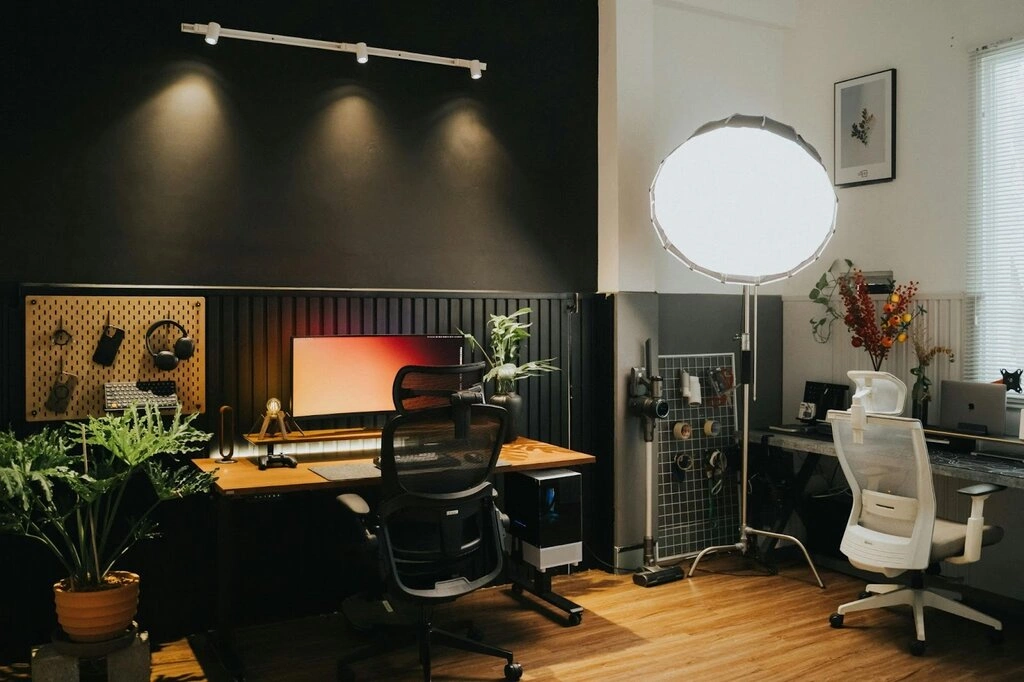
Real concentration requires interruption-free zones. Think acoustic pods, library-inspired sections with sound-dampening materials, private offices for complex problem-solving. These typically feature minimal visual clutter, ergonomic seating, and controllable task lighting. Knowing these spaces exist makes employees more willing to tackle demanding analytical work instead of perpetually postponing it.
Collaboration Hubs That Spark Ideas
Innovation thrives on spontaneous connection and collective brainstorming. Open zones featuring modular furniture, writable surfaces, and relaxed seating invite teams to converge and hash out solutions together. These areas should feel energetically distinct from focus zones—punchier colors, standing-height surfaces for rapid huddles. The office environment impact becomes undeniable when you witness how naturally ideas emerge in properly designed collaborative territories.
Restorative Spaces for Mental Breaks
Break areas carry more weight than most executives recognize. Genuinely comfortable lounges distanced from workstations enable authentic disconnection.
Progressive offices incorporate meditation rooms, outdoor access, or recreational zones. These communicate that recovery isn’t merely tolerated—it’s institutionally valued. When people recharge effectively, they return with renewed mental bandwidth rather than grinding through exhaustion.
Smart Technology Integration Without Overwhelming Users
Technology should reduce friction, not create it. That means keeping interfaces intuitive and systems responsive to actual human behavior.
Desk Booking Systems Create Flexibility
Hot-desking succeeds when people can effortlessly reserve appropriate spaces for their daily needs. Straightforward apps enable booking quiet zone desks for focused sessions or collaborative areas for team days. Usage analytics reveal which zones see heavy traffic versus which sit vacant, informing smarter space allocation decisions over time.
Environmental Controls Put Comfort in Individual Hands
Personalized climate control might sound extravagant, but it’s increasingly accessible. Smart thermostats, targeted vents, and desk-mounted fans let individuals adjust their microenvironment without impacting neighbors. Same principle for illumination—individual task lights grant control over brightness and color temperature at specific workstations.
Emerging Workplace Design Trends Shaping Tomorrow’s Offices
Workplace design trends keep evolving as our understanding of human performance and satisfaction deepens.
Hybrid-Ready Spaces Bridge Remote and In-Person Work
Contemporary meeting rooms require technology that equalizes remote and present participants. Professional-grade cameras, multiple displays, and intelligent microphone arrays ensure everyone contributes meaningfully regardless of physical location. Spaces designed for hybrid reality feature adaptable furniture configurations and thoughtful camera positioning, eliminating awkward or exclusionary video dynamics.
Sustainability Becomes Standard Practice
Eco-conscious building practices deliver health advantages alongside environmental benefits. Low-VOC materials minimize chemical exposure. Energy-efficient systems cut operational expenses while enhancing indoor air quality.
Recycled and sustainable materials communicate organizational values while frequently offering superior longevity compared to cheap alternatives.
Also Read : How Can Students Benefit from Public Speaking Classes
Wellness Amenities Move Beyond Gym Memberships
On-site fitness facilities, nutritious food programs, and purpose-built wellness rooms demonstrate tangible commitment to employee wellbeing. These amenities eliminate barriers to self-care, helping people sustain healthy practices despite packed schedules. Returns materialize through reduced healthcare expenditures and improved retention metrics.
Common Questions About Workspace Improvements
What’s the first step in redesigning our office for better wellbeing?
Begin with brutally honest assessment of existing pain points via employee surveys and space utilization analytics. This evidence pinpoints which interventions will generate maximum impact for your particular team dynamics and culture.
How much does a wellbeing-focused workspace redesign typically cost?
Investment ranges vary dramatically depending on scope, but prioritizing high-leverage changes like lighting upgrades, acoustic treatments, and furniture improvements delivers substantial benefits even within constrained budgets.
Can small changes really improve productivity and wellbeing?
Unquestionably. Introducing plants, upgrading lighting systems, establishing quiet zones, and replacing seating can revolutionize daily experience without demanding full renovations, producing measurable gains quickly.
Final Thoughts on Creating Workspaces That Work
Modern office design directly determines how people feel and function throughout their workday. Natural light, air quality, activity-based zones, smart technology—each element compounds to create the total experience. The relationship between thoughtful design and office productivity isn’t theoretical—it’s documented through extensive research and countless organizational case studies. Companies investing in workspace optimization see concrete returns: healthier teams, reduced attrition, elevated performance. Your office either enables your people or obstructs them. Which category describes your current situation, and what action will you take?

Lexi edits World Birds Life bird-identification and location guides using authoritative references such as the Cornell Lab of Ornithology, eBird, the U.S. Fish and Wildlife Service, and state wildlife agencies. Updated guides check species status, range, habitat, and look-alike differences where relevant.