Hawks in Michigan: Common Species, Winter Visitors and Identification
Michigan status note: The earlier list mixed regular Michigan hawks with unrelated or highly exceptional raptors. Golden Eagle is an eagle, not a hawk, and several western or southern species have been removed. Cooper’s Hawk and Red-tailed Hawk—two important Michigan hawks that were missing—have been added.
Michigan’s diverse habitats, ranging from dense forests to open grasslands, provide a sanctuary for a wide variety of hawks. These birds of prey play a vital role in maintaining ecological balance, captivating birdwatchers and nature enthusiasts alike. From the agile Sharp-shinned Hawk to the rare Ferruginous Hawk, Michigan offers unique opportunities to observe these raptors in action. Whether soaring in migration or nesting in the state’s rich landscapes, each hawk species brings its own beauty and ecological importance, making Michigan a prime location for studying and admiring these incredible birds.
Types of Hawks in Michigan
Cooper’s Hawk (Accipiter cooperii)
Cooper’s Hawks are common in Michigan, including wooded neighborhoods and suburban areas. They have broad, rounded wings, a long banded tail, and specialize in hunting other birds.
Red-tailed Hawk (Buteo jamaicensis)
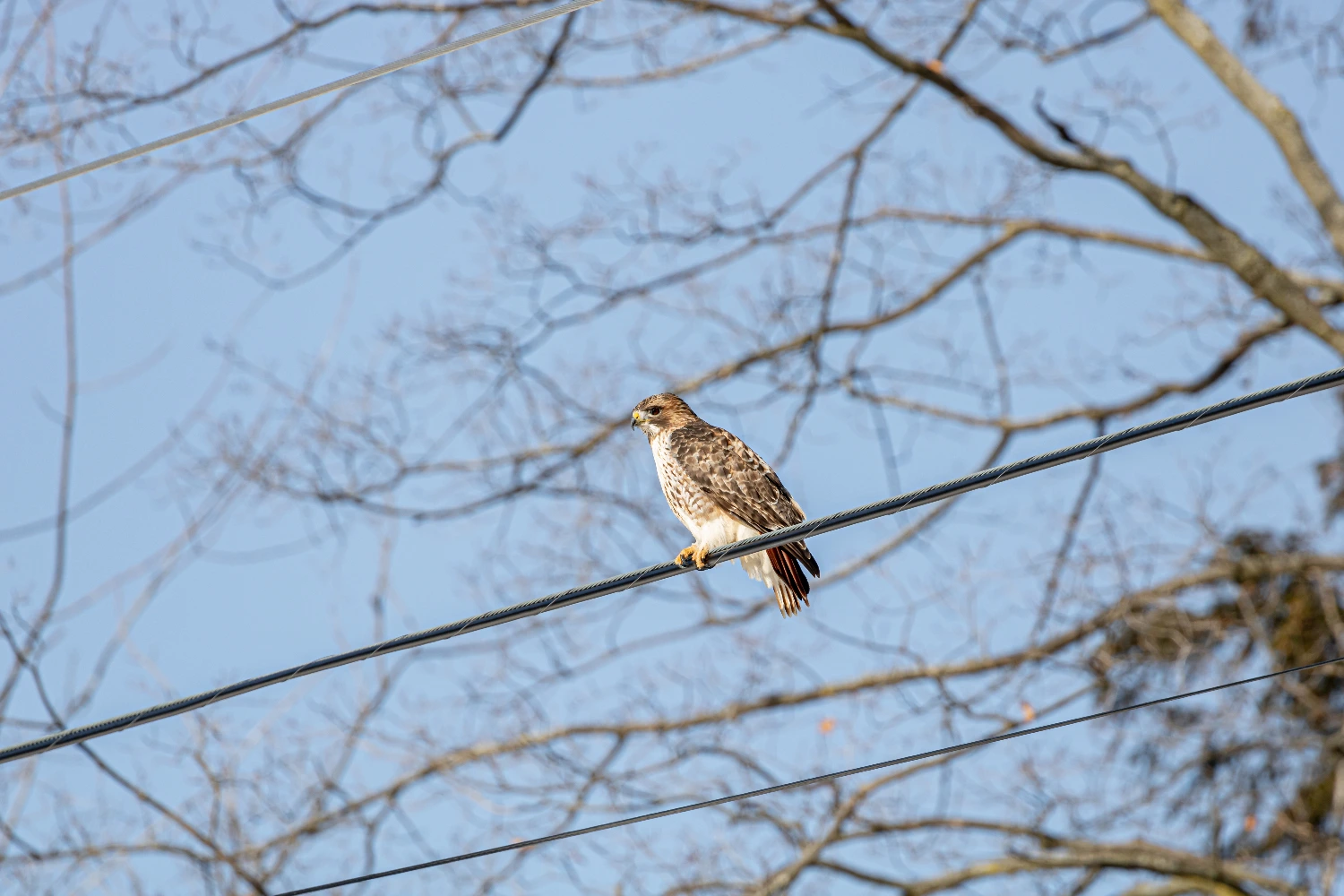
Red-tailed Hawks are widespread in Michigan. Adults often show a brick-red tail, while the broad wings and bulky buteo shape are useful identification clues when birds are soaring.
1. Sharp-shinned Hawk (Accipiter striatus)
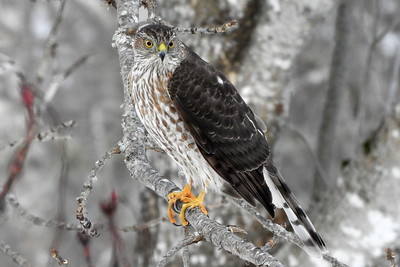
The Sharp-shinned Hawk is one of Michigan’s smallest hawks, known for its agile flight and swift hunting skills.
This raptor primarily preys on small birds, making it a common sight near bird feeders. It has a distinct appearance with a bluish-gray back, reddish-orange barred chest, and long tail with squared-off edges.
Sharp-shinned Hawks prefer dense forests but are also spotted in suburban areas during migration. These hawks are masters of ambush hunting, relying on speed and surprise to capture their prey. While they’re more visible during their migration in spring and fall, some stay year-round in Michigan’s forests, adapting well to the state’s varied climates.
Also Read : Hawks in Florida: Habitats, Diet, and Appearance of Majestic Raptors
6. Northern Harrier (Circus hudsonius)
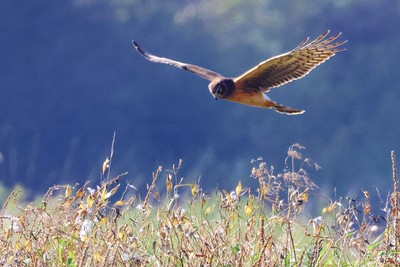
The Northern Harrier is a graceful hawk often seen gliding low over Michigan’s marshes and grasslands. Recognized by its owl-like facial disk and long wings, this raptor relies on keen hearing and vision to locate prey.
The males display gray plumage with white undersides, while females are larger and sport brown tones. Northern Harriers feed on small mammals, birds, and reptiles, adapting their diet based on availability.
These hawks are year-round residents in Michigan, though their numbers peak during migration seasons. Their distinctive hunting style and elegant flight make them a favorite among birdwatchers and wildlife enthusiasts.
7. Broad-winged Hawk (Buteo platypterus)
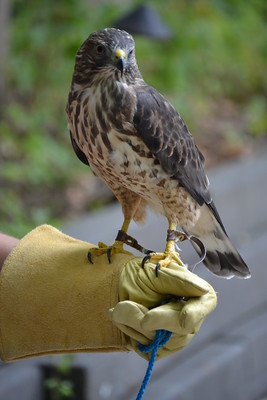
Broad-winged Hawks are small, stocky raptors best known for their spectacular migratory behavior. Every fall, thousands of these hawks form kettles, soaring together in swirling groups during their journey south.
In Michigan, they are summer residents, nesting in dense forests. Their plumage is brown above and white with horizontal barring below, providing excellent camouflage.
Broad-winged Hawks primarily hunt small mammals, amphibians, and insects, often swooping down from a perch. They are vocal during the breeding season, emitting high-pitched whistles to communicate. Observing their migration is a highlight for birders, as these hawks represent one of nature’s incredible spectacles.
8. Red-shouldered Hawk (Buteo lineatus)
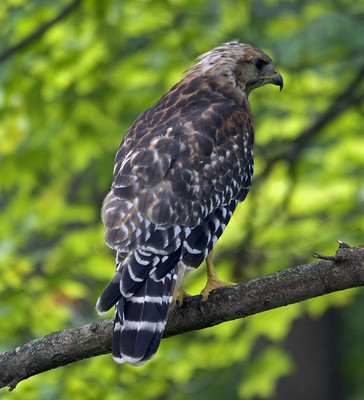
The Red-shouldered Hawk is a medium-sized raptor often found in Michigan’s wooded wetlands. It’s named for the reddish-brown patch on its shoulders, complemented by a checkered pattern on its wings and a banded tail.
These hawks are vocal, with a distinctive kee-aah call that echoes through the forests. Their diet includes small mammals, amphibians, and reptiles, with occasional forays into aquatic prey.
Red-shouldered Hawks are year-round residents in southern Michigan, but their numbers increase during migration. Their preference for mature forests and swamps makes them an important indicator of the health of these ecosystems.
9. Rough-legged Hawk (Buteo lagopus)
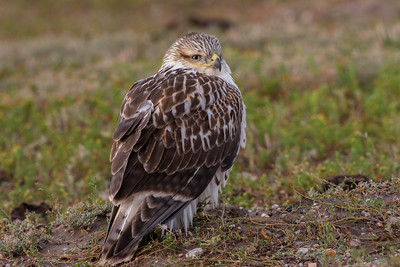
Rough-legged Hawks are winter visitors to Michigan, migrating from their Arctic breeding grounds.
They are easily identifiable by their feathered legs, a unique adaptation to cold climates. These hawks have variable plumage, typically featuring a dark belly band and light underparts.
Open fields and grasslands are their preferred habitats, where they hover in search of small mammals, especially voles. Their hovering hunting style and ability to adapt to harsh winter conditions make them a fascinating species to observe.
Birdwatchers often spot them perched on utility poles or fence posts during Michigan’s colder months.
12. Northern Goshawk
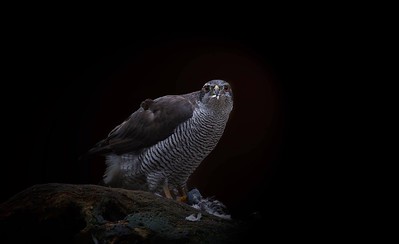
The Northern Goshawk is a formidable predator and one of Michigan’s most elusive hawks. This large raptor has slate-gray plumage, a white eyebrow stripe, and piercing red eyes.
Known for their fierce hunting style, Northern Goshawks primarily prey on birds and mammals, including squirrels and rabbits. They inhabit dense forests, making them challenging to spot.
These hawks are year-round residents in Michigan but are more active during the breeding season. Their aggressive territorial behavior and swift flight make them a symbol of wilderness and power. Bird enthusiasts treasure glimpses of these secretive raptors in Michigan’s woodlands.
Authoritative References
- Cornell Lab — Red-tailed Hawk identification
- Cornell Lab — Cooper’s Hawk identification
- Cornell Lab — Sharp-shinned Hawk identification
- Cornell Lab — Broad-winged Hawk identification
Conclusion
Michigan’s hawks, with their remarkable hunting skills and diverse adaptations, enrich the state’s wildlife tapestry. From common year-round residents like the Red-shouldered Hawk to rare visitors like the Zone-tailed Hawk, each species highlights the beauty and complexity of the natural world.
Observing these raptors not only fosters appreciation for Michigan’s biodiversity but also emphasizes the importance of conservation efforts. Whether you’re an avid birdwatcher or a casual nature lover, encountering hawks in Michigan’s skies is a thrilling reminder of the wonders of the wild.

Lexi edits World Birds Life bird-identification and location guides using authoritative references such as the Cornell Lab of Ornithology, eBird, the U.S. Fish and Wildlife Service, and state wildlife agencies. Updated guides check species status, range, habitat, and look-alike differences where relevant.